Hot Tub Water Change Frequency: How Often You Actually Need to Drain It
Hot tub water change frequency is the one maintenance question almost every new owner gets wrong in one direction or the other — draining too often and wasting money, or stretching it too far and soaking in water that’s quietly working against them. The honest answer sits somewhere between a calendar date and how the tub is actually used.
Here’s a conversational truth up front: there’s no single number that fits every household, and anyone who gives you one flat figure without asking how many people use the tub is skipping the part that actually matters.
This post contains affiliate links. If you buy through them, Sunrise & Vitalize may earn a small commission at no extra cost to you.
Quick Snapshot
- Most households land on a full drain and refill every 3–4 months, or every 6–8 weeks with heavy or frequent use
- Bather load, not the calendar, is the biggest driver of hot tub water change frequency
- A full drain-refill-reheat cycle typically runs $15–$40 in water and electricity, depending on tub size and local utility rates
- Filter condition, foam, and cloudiness are more reliable signals than a fixed timeline
If you’re new to hot tub ownership, it’s easy to assume changing the water works like emptying a bath or paddling pool—empty it on a set schedule and you’re done. In reality, it’s much more about how the water behaves over time. A tub used by two people once a week can stay fresh far longer than one used every evening by a busy family, even if they were both filled on the same day. That’s why understanding what to watch for is more useful than simply marking a date on the calendar.

Table of Contents
- How Hot Tub Water Change Frequency Really Works
- The Real Cost of Getting It Wrong: $15–$40 Per Drain
- Draining and Refilling Without the Hassle
- What Extends the Interval Between Changes
- Pros and Cons of Sticking to a Schedule
- Water Change vs Routine Cleaning: What’s the Difference
- FAQ
How Hot Tub Water Change Frequency Really Works
Manufacturers generally suggest a baseline hot tub water change frequency of three to four months for a tub used a few times a week by two or three people. That figure assumes reasonably consistent chemical balance in between, which isn’t always the reality once life gets busy.
Bather load is the single biggest driver of hot tub water change frequency, more than almost anything else. Every soak adds body oils, sweat, lotion residue, and skin cells to the water, and sanitizer can only break down so much of that before it starts losing ground.
A four-person family soaking daily will need a shorter hot tub water change frequency than a couple who use theirs twice a week — sometimes closing in on the six-to-eight-week mark rather than the full season. According to the CDC, maintaining proper sanitizer and pH levels between drains is essential for reducing the risk of waterborne illness, and that guidance only holds if the water hasn’t been pushed well past its useful life.
How do you know it’s time before the smell gives it away? Watch for water that stays cloudy even after shocking, foam that won’t settle, or a chemical demand that keeps climbing no matter how carefully you dose it. Those are more honest indicators than a date circled on a calendar.
The Real Cost of Getting It Wrong: $15–$40 Per Drain
Because water, chemicals, and the electricity to reheat a full tank all factor in, hot tub water change frequency has a genuine dollar cost that a lot of owners underestimate going in. A typical drain and refill runs somewhere in the $15–$40 range once you account for water usage and the energy needed to bring several hundred gallons back up to temperature, though this varies by tub size, local water rates, and regional electricity pricing.
Stretching hot tub water change frequency to save on that cost often backfires. Heavily saturated water needs more shock, more clarifier, and more frequent testing to stay usable in the meantime, and those chemical costs can quietly exceed what a straightforward drain would have cost.
On the other end, draining more often than necessary wastes water and repeats the reheating expense for no real benefit if the water was still testing clean. If you’re weighing overall ownership costs beyond just water changes, the full breakdown in Hot Tub Maintenance Cost: The Honest Yearly Breakdown is worth reading alongside this one.
Draining and Refilling Without the Hassle
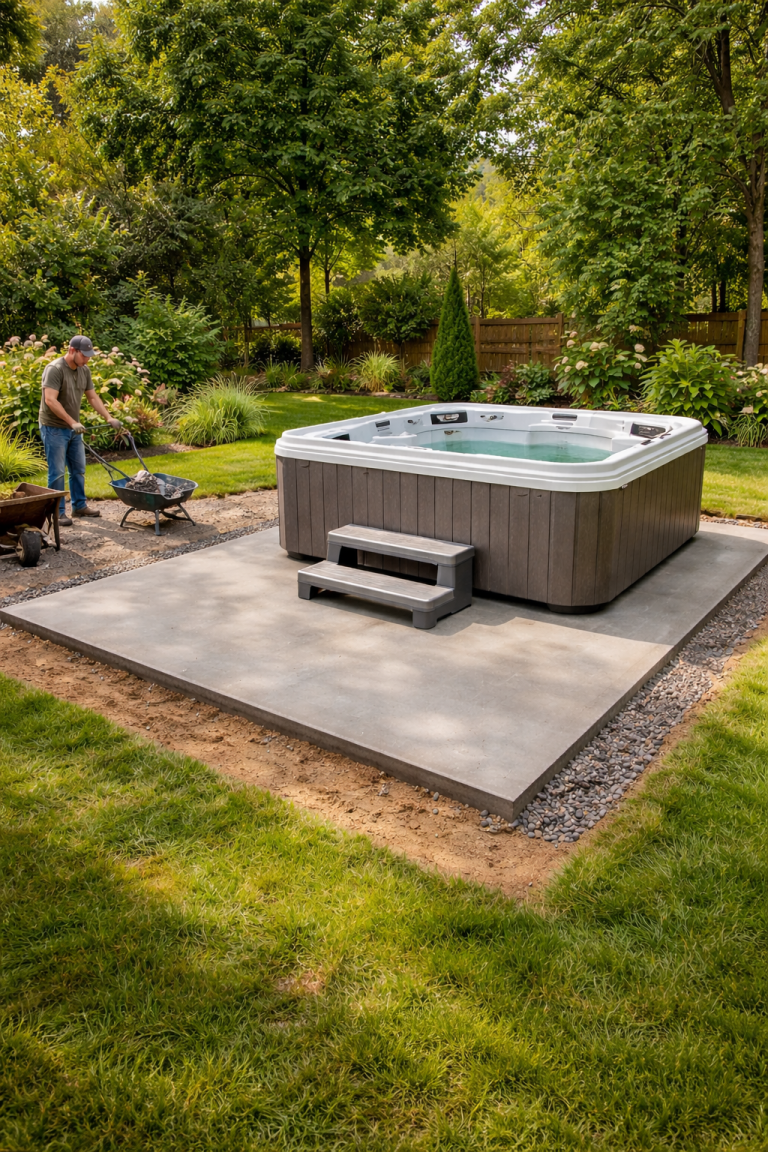
Getting hot tub water change frequency right on paper doesn’t help much if the actual draining process is a fight every time. Most tubs have a drain valve near the base that connects to a standard garden hose, and running it toward a slope or storm drain (never a septic field) makes the job far less painful.
Refilling takes longer than most people expect — a mid-size tub can take 30 to 45 minutes to fill from a garden hose, plus several hours to reheat depending on your heater size and starting water temperature. Planning the drain for a day with a few free hours, rather than squeezing it in before guests arrive, avoids the scramble.
A tub’s electrical setup also affects how quickly it recovers from a full refill, since undersized wiring means slower reheating. Anyone still finalizing their setup might find Hot Tub Electrical Requirements: What Every Homeowner Must Know Before They Buy useful context before their first full drain.
What Extends the Interval Between Changes
A few habits genuinely stretch hot tub water change frequency without sacrificing water quality in between. Rinsing off before getting in removes a meaningful share of the oils and lotion that would otherwise end up in the water, and it’s one of the simplest changes an owner can make.
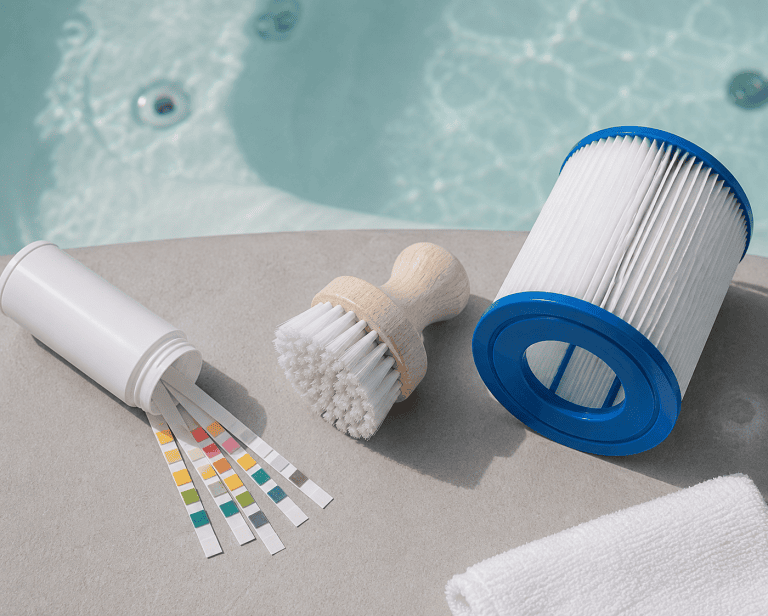
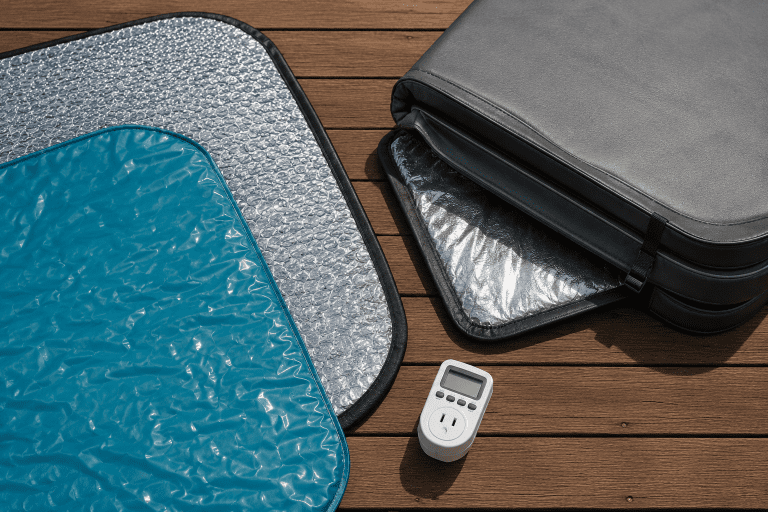
A well-fitted cover keeps out dust, pollen, and debris that add to the water’s chemical demand between soaks, which is part of why Are Hot Tub Covers Necessary? An Honest Look at What You Actually Need consistently comes up in maintenance conversations. Clean filters matter just as much — a filter clogged with debris and biofilm can’t do its job, and Do Spa Filters Actually Improve Water Quality? An Honest Look covers exactly how much that affects the water between full changes.
Does a hot tub cover really make a measurable difference? Yes. A snug, well-maintained cover blocks out the debris and evaporation that otherwise add to chemical demand between soaks, which can meaningfully stretch the gap between full drains. It won’t replace testing, but it removes one of the fastest ways water quality declines early.
Does shocking the water regularly actually delay a full drain? Yes, to a point. Consistent shocking breaks down organic contaminants and helps sanitizer work more efficiently, which can push a hot tub water change frequency toward the longer end of the typical range — but it can’t indefinitely postpone a change once total dissolved solids climb too high.
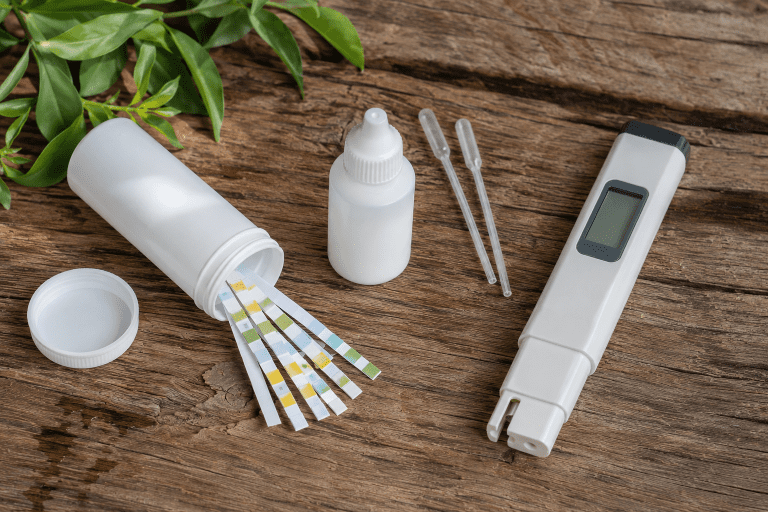
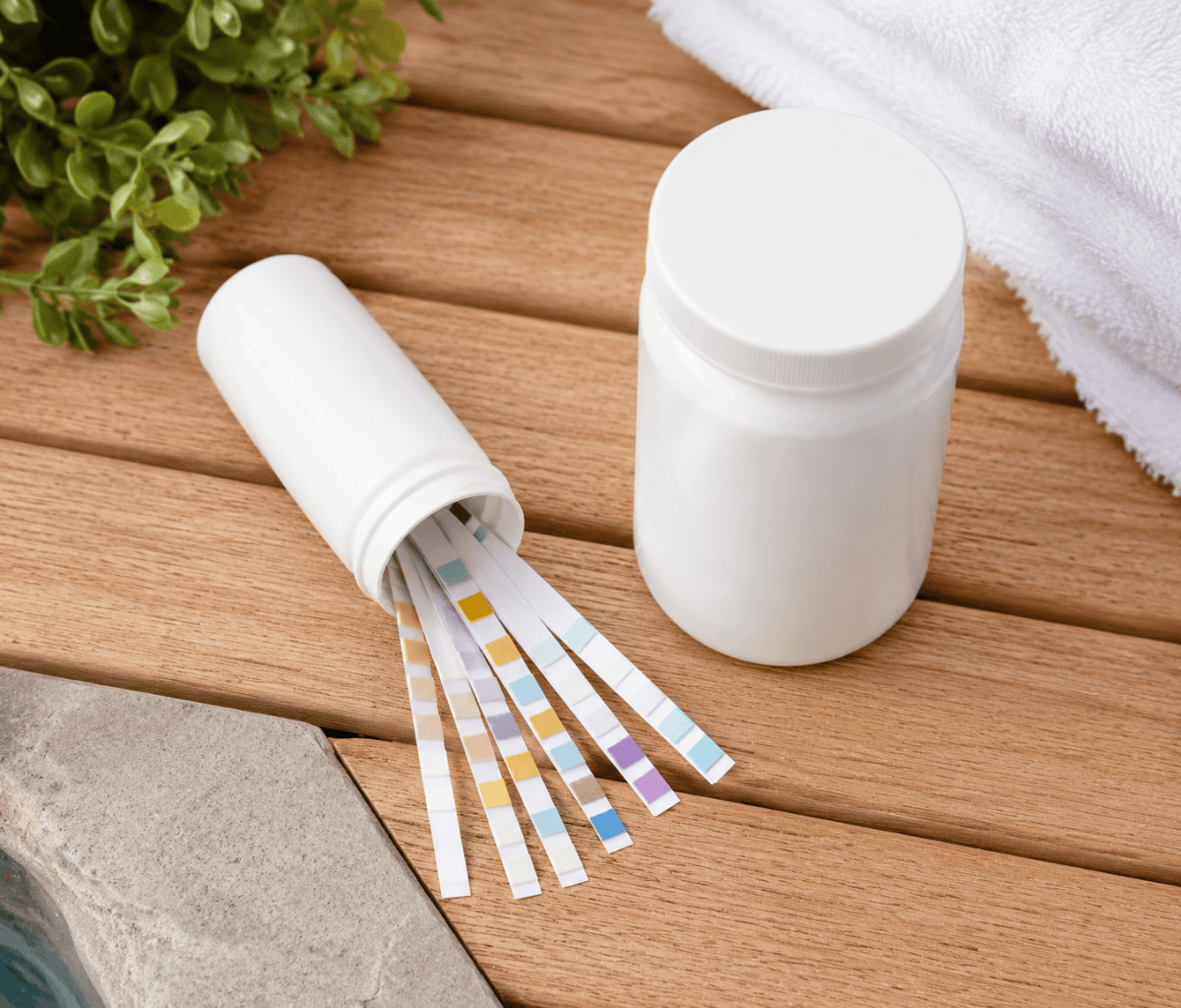
Testing total dissolved solids weekly with a simple strip is the most reliable way to know your actual hot tub water change frequency rather than guessing from a generic timeline. Once TDS crosses roughly 1,500 parts per million, no amount of additional chemical treatment brings the water back to a genuinely clean baseline — a full drain becomes the only real fix.
Pros and Cons of Sticking to a Schedule
Pros:
- Predictable costs and easier chemical management when the interval is planned rather than reactive
- Lower risk of skin and eye irritation from over-saturated water
- Extends the life of jets, plumbing, and the heater by reducing scale and mineral buildup
Cons:
- A fixed schedule alone ignores real usage — two households on an identical calendar can need completely different actual timelines
- One con worth naming honestly: over-scheduling based purely on a manufacturer’s default number wastes water and money for lower-use households, and that’s a detail easy to miss when following generic advice
- Requires several hours of downtime per change, which some owners underestimate when planning around it
Water Change vs Routine Cleaning: What’s the Difference
Unlike a quick filter rinse or a wipe-down of the waterline, hot tub water change frequency refers specifically to a full drain — emptying the entire tank rather than maintaining what’s already in it. Confusing the two is common, and it’s part of why the timelines in Hot Tub Cleaning Schedule: How Often You Actually Need to Clean It look shorter than the numbers here; that post covers weekly and biweekly upkeep, not full drains.
| Factor | Routine Cleaning | Full Water Change |
|---|---|---|
| Frequency | Weekly to biweekly | Every 6 weeks to 4 months |
| Time required | 15–30 minutes | 3–5 hours (drain, refill, reheat) |
| Cost | Chemicals only | Water + chemicals + reheating electricity |
| Post-session feel | Water stays consistent | Noticeably softer on skin right after refilling |
| Effect on equipment | Maintains balance | Resets scale buildup and TDS |
That “post-session feel” row is easy to overlook next to the harder numbers, but it’s often the first thing people actually notice. Water right after a fresh fill genuinely feels different against the skin — less tight, less drying — even before any noticeable difference shows up on a test strip. Skin often reacts before a test strip does: eyes sting a bit more and hands feel slightly tacky as water saturation builds toward the end of an interval, and that discomfort is a real signal worth trusting over a date on the calendar.
Chemistry also plays into all of this directly. For anyone deciding between sanitizer systems, Saltwater vs Chlorine Hot Tub Maintenance: The Honest Comparison and Hot Tub Water Chemistry Basics: A Real Owner’s Guide both affect how long water stays usable before it needs a full reset.

Helpful Gear
- Submersible utility pump – speeds up draining significantly compared to relying on a gravity-fed valve alone, especially for larger tubs.
- Spa-specific water test strips – checks TDS, pH, and sanitizer levels in under a minute, which is the most direct way to judge actual hot tub water change frequency rather than guessing.
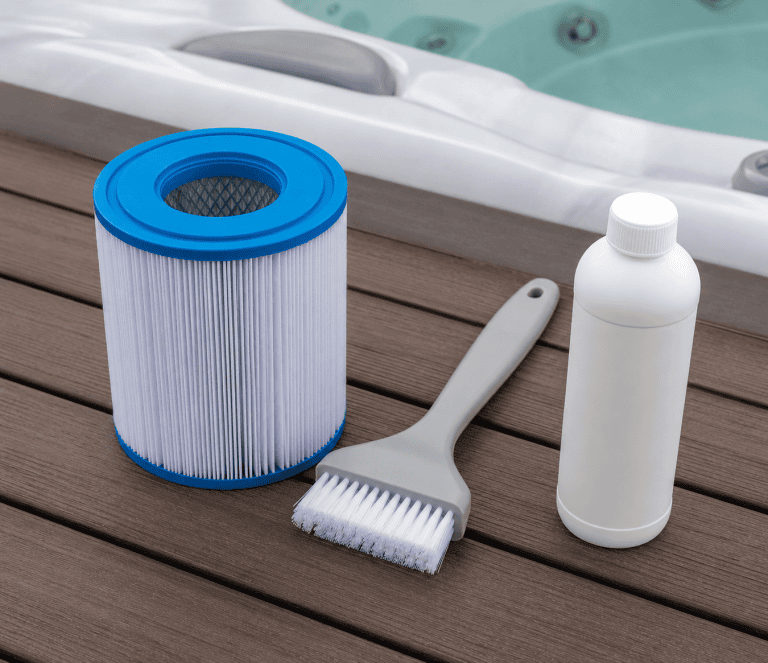
- Spa filter cleaner spray – extends filter life between full changes and reduces how much debris ends up back in fresh water.
If you’re planning a broader recovery routine that includes contrast bathing, pairing a warm soak with cold exposure is worth understanding on its own — see Cold Plunge vs Cold Shower: Which Is Better for Your Recovery? for how that combination is typically structured.
FAQ
Is it worth draining every 3–4 months if I only use the tub once a week? Probably not on that exact timeline. Lower-use households can often stretch toward the four-to-five-month range as long as weekly TDS testing confirms the water is still holding up, since a rigid schedule built for daily users doesn’t reflect lighter use.
How do I know if I’ve waited too long? Persistent cloudiness after shocking, a rising chemical demand that won’t stabilize, or a TDS reading above roughly 1,500 ppm are the clearest signs a full change is overdue rather than optional.
Will more frequent water changes damage my tub over time? Not typically, though very frequent full drains can be harder on gaskets and seals than a well-maintained standard interval. Moderate, needs-based hot tub water change frequency is easier on both the equipment and the budget than either extreme.
The Simple Rule
Test weekly, watch how the water feels and smells, and let those signals — not a fixed date — set your actual hot tub water change frequency.
Summary Snapshot
- Baseline: 3–4 months for typical use, 6–8 weeks for heavy use
- Cost per change: roughly $15–$40 in water and electricity
- Best indicator: weekly TDS testing, not the calendar
- Covers, clean filters, and pre-soak rinsing all extend the interval

Final Verdict
Get hot tub water change frequency right, and the tub stays genuinely pleasant to use instead of something you’re quietly wary of stepping into toward the end of an interval. It’s a small habit — a weekly test strip, a look at the filter, a rinse before getting in — but it’s the difference between water that actually feels good and water you’re just tolerating.
Browse Hot Tub Picks →
View Hot Tub Guides →
If you’re working through the full maintenance picture, Hot Tub Maintenance Cost: The Honest Yearly Breakdown and Hot Tub Water Chemistry Basics: A Real Owner’s Guide round out the rest of what a well-kept tub actually takes — and Hot Tub Cleaning Schedule: How Often You Actually Need to Clean It covers the routine tasks that happen between full changes.