Hot Tub Winter Cover: The Honest Guide to Keeping Your Spa Protected All Season
A good hot tub winter cover helps reduce heat loss and protect your spa from winter weather. Choose a well-fitting insulated cover suited to your model and climate; a weather cap adds protection but does not replace the insulated lid. A cover alone cannot prevent frozen pipes if heating or circulation fails.
Here’s the thing nobody tells you upfront: not all covers are built for genuine winter conditions, and the difference shows the first time you get a hard frost.
As an Amazon Associate, Sunrise & Vitalize earns from qualifying purchases. If you buy through an affiliate link, we may earn a small commission at no extra cost to you.
Quick Snapshot
- Choose a well-fitting insulated cover designed for your spa model and local winter conditions.
- Compare foam thickness, insulation, vapor-barrier construction, and the manufacturer’s snow-load guidance.
- Replacement costs vary with size, specification, and shipping — check a current quote for your spa.
- Replace a cover when it becomes waterlogged, sags, loses its seal, or develops damage; age alone does not determine when it needs replacing.
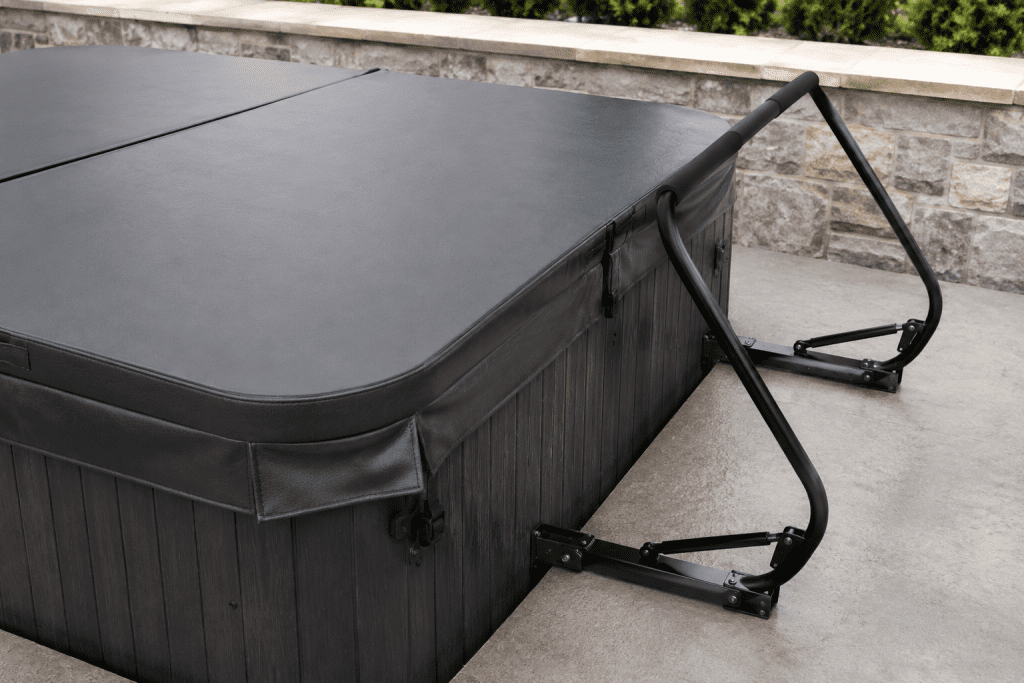
Table of Contents
- What a Winter Cover Actually Does
- The Real Cost of Getting This Wrong
- Installation: What Nobody Mentions
- Maintenance Through the Cold Months
- Pros and Cons
- Winter Cover vs Other Protection Methods
- Helpful Gear
- FAQ
What a Proper Hot Tub Winter Cover Actually Does
A hot tub winter cover isn’t just a lid that keeps leaves out. In cold weather, it’s doing real thermal work — trapping the heat your spa is constantly generating and stopping that heat from just radiating into the night air.
The foam core matters more than product photos suggest. Check both the center and edge thickness: a 4-inch-to-2-inch taper, for example, is thicker in the middle to help rainwater run off. Compare the manufacturer’s insulation and load specifications rather than judging winter suitability by thickness alone.
Foam density is measured in pounds per cubic foot. The Cover Guy’s foam-density guidance describes 1.5 lb/ft³ as suitable for many outdoor applications and suggests considering 2 lb/ft³ for heavy-snow areas. Denser foam also adds weight. Follow the cover maker’s snow-clearing instructions regardless of density.
For the broader reasons to keep your spa covered, see Are Hot Tub Covers Necessary?
The Real Cost of Getting This Wrong
A worn or poorly fitting hot tub winter cover allows more heat to escape, increasing the work needed to maintain water temperature. The effect on your electricity bill depends on your climate, spa insulation, temperature setting, and electricity rate.
Replacement costs vary with cover size, insulation, materials, and delivery. Get a current quote for your model rather than relying on a fixed price range.
A waterlogged cover can also become difficult to lift and place extra strain on its handles and lifter. If it sags, no longer seals properly, or becomes unusually heavy, inspect it and arrange a suitable replacement.
For the wider ongoing budget, see our Hot Tub Maintenance Cost breakdown, which covers chemicals, filters, energy, and replacement parts.
Installation Friction: What Nobody Mentions
Putting on a new hot tub winter cover sounds simple until you’re doing it in genuinely cold weather with numb fingers and a cover that’s heavier and stiffer than you expected. Cold makes vinyl less flexible, so a cover that fit easily in October can feel like it’s fighting you in January.
A waterlogged cover can become awkward and heavy to handle, especially in freezing weather. If yours has become noticeably heavier, inspect it for moisture damage rather than forcing it open or putting extra strain on the handles and lifter.
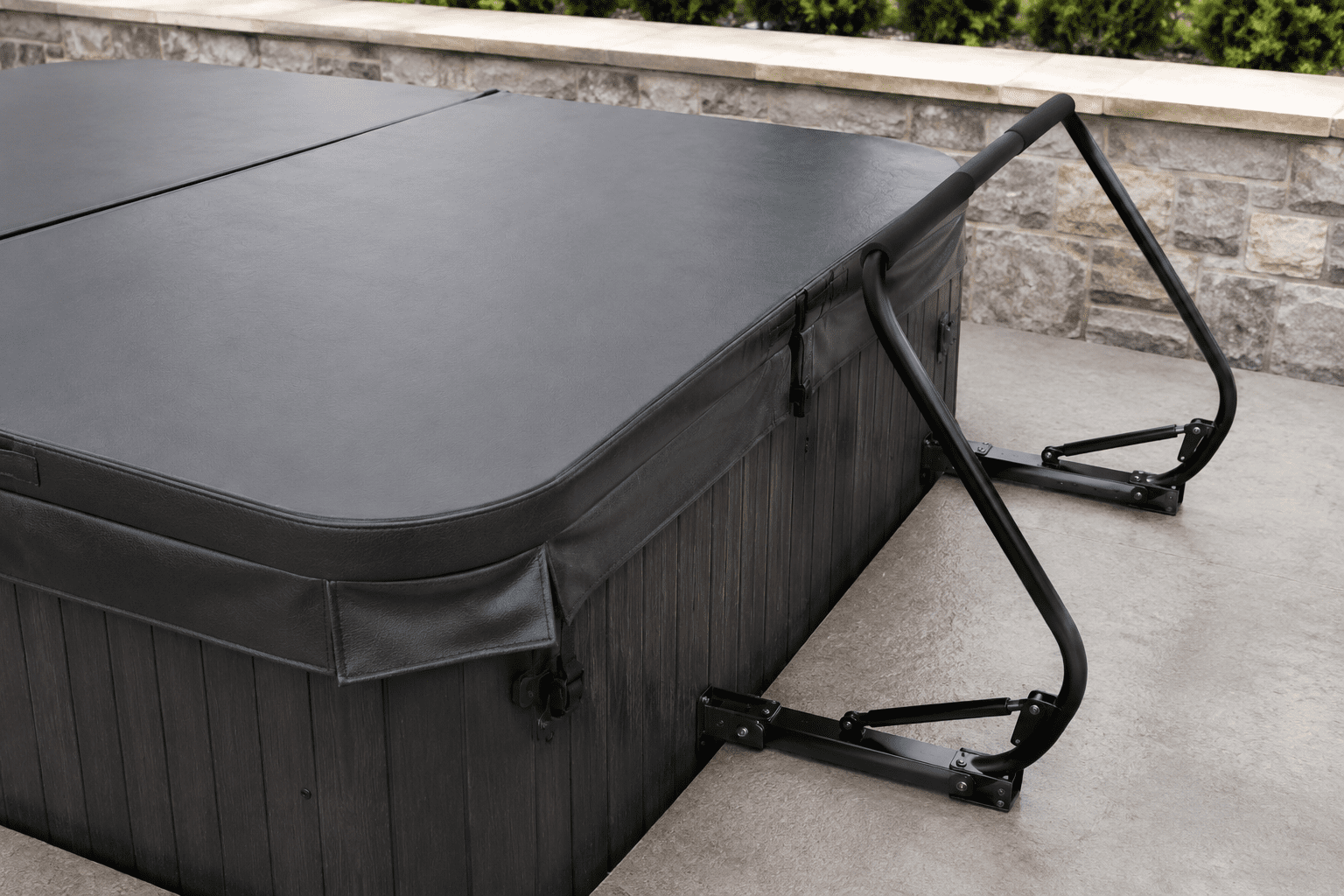
A cover lifter genuinely earns its place here. Without one, removing and replacing a hot tub winter cover multiple times a week in winter becomes the kind of chore that quietly discourages you from using the tub at all.
Maintenance Through the Cold Months
Brush accumulated snow off gently to reduce the weight on your hot tub winter cover. Avoid sharp tools or chipping at ice, which can damage the outer material. Follow your cover manufacturer’s cleaning and winter-care instructions.
Inspect the seams, underside, straps, and seal regularly for damage. The vapor barrier surrounds the foam inside the cover and may not be accessible for routine inspection. Increasing weight or sagging can indicate moisture damage; ask the manufacturer or dealer about repair or replacement.
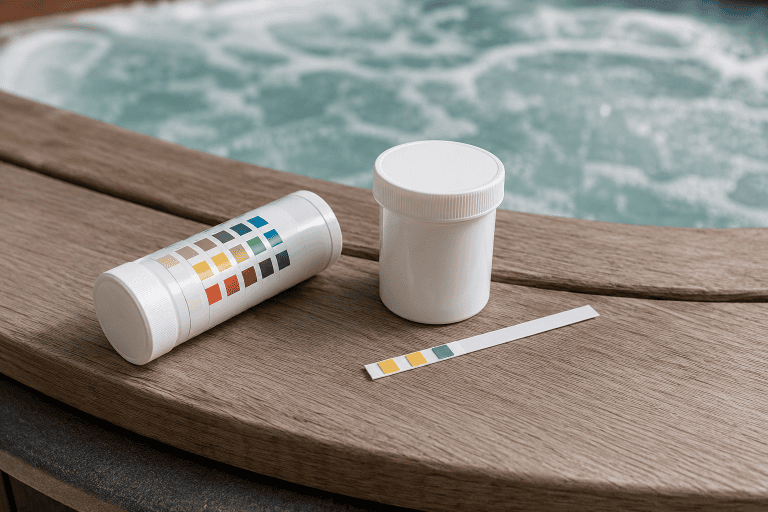
Keep testing and treating your water through winter, even when you use the spa less often. The CDC’s home pool and hot tub water treatment and testing guidance explains why regular sanitizer and pH checks matter.
For help choosing equipment for your water-care routine, see our Hot Tub Water Testing Kit guide.
Pros and Cons
A genuinely honest look at hot tub winter cover options has to include the downside the industry doesn’t love to mention.
Pros:
- Helps reduce heat loss and heating costs
- Keeps debris out and provides weather protection when correctly fitted and maintained
- Helps limit evaporation between sessions
Cons:
- Covers deteriorate over time and may need replacing when damaged, waterlogged, or no longer sealing properly
- Heavier insulated covers are harder to handle solo, especially once they’ve taken on any moisture
- A locking strap system adds security but also adds another thing that can freeze shut
Winter Cover vs Other Protection Methods
| Feature | Insulated Foam-Core Cover | Weather Cap | Hot Tub Enclosure |
|---|---|---|---|
| Main purpose | Reduce heat loss and cover the water | Shield the existing lid from weather and debris | Provide shelter around the spa |
| Replaces the insulated lid? | Yes, if correctly specified and fitted | No | No |
| Winter considerations | Check fit, condition, and manufacturer’s snow-load guidance | Clear accumulated snow; check fit and fastening | Spa still needs its lid and frost-protection measures |
| Installation | Measure carefully and follow fitting instructions | Fit over the existing insulated cover | Requirements vary with design and local rules |
| Cost | Varies by size, insulation, and delivery | Varies by size and material | Varies widely by structure |
Helpful Gear
A few accessories make winter cover management significantly easier
Hot tub cover lifter — choose a lifter compatible with your spa and cover, with the clearance required by its manufacturer.
Cover cap or weather guard — an extra weather-resistant layer fitted over the insulated lid. Choose the correct size for your spa; it does not replace the lid or remove the need to clear accumulated snow.
FAQ
Do I need a separate winter cover if I already have an insulated hot tub lid?
Not necessarily. If your existing lid fits properly, remains in good condition, and meets your manufacturer’s recommendations for your climate, you may already have what you need. A weather cap adds protection over that lid.
How can I tell whether my cover needs replacing?
Look for increasing weight, sagging, damaged seams, or gaps around the rim. These can indicate waterlogging or damage. Ask your dealer about repair or replacement if the cover becomes difficult to lift or no longer seals properly.
Will a budget cover protect my hot tub through winter?
Price alone does not establish winter suitability. Check the fit, insulation specification, and manufacturer’s guidance for your climate. A cover cannot compensate for failed heating or circulation.
Simple rule: if your cover becomes unusually heavy, sags, or no longer seals properly, inspect it and arrange repair or replacement before winter weather makes handling it harder.
Summary Snapshot
- Choose an insulated cover that fits your spa and suits your winter climate.
- Clear accumulated snow gently and inspect the cover regularly for damage.
- Use a compatible cover lifter if handling the lid is difficult.
- Repair or replace a damaged, waterlogged, or poorly sealing cover; don’t rely on age alone.
Final Verdict
If there’s one accessory worth getting right before winter hits, it’s your hot tub winter cover. Everything else on this list is about making the experience better — this is about protecting the investment you’ve already made.
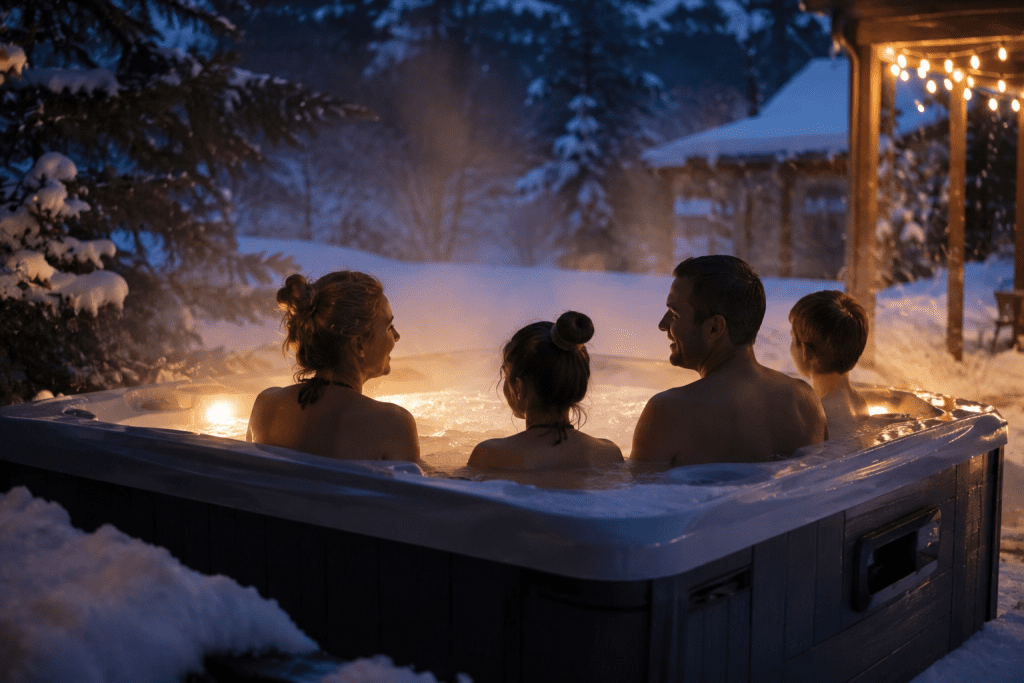
A hot tub on a cold evening can be a welcome way to unwind after a long day. A well-fitting hot tub winter cover helps retain that warmth between sessions, but it still needs regular checks alongside the spa’s heating and circulation systems.