Is Daily Cold Plunging Safe? An Honest Look at the Real Risks and Benefits
Daily cold plunging has become a regular part of many recovery and wellness routines, but doing it every day raises an important question: is daily cold plunging actually safe?
For most healthy adults, short, controlled cold-water sessions may be tolerated safely, but daily exposure isn’t risk-free or necessary for everyone. Water temperature, session length, cold-water experience and underlying health conditions all matter.
Quick heads up: this post contains affiliate links. If you buy through them, I earn a small commission at no extra cost to you — it helps keep the site running.
Quick Snapshot
- Short, controlled cold plunges may be well tolerated by many healthy adults, but daily plunging isn’t risk-free
- Water temperature, session length and gradual acclimatisation all affect safety
- Cold-water immersion can cause an immediate cold-shock response, including rapid breathing and cardiovascular strain
- Cold-water immersion may help reduce muscle soreness after exercise, but daily use isn’t necessary for everyone
- People with cardiovascular conditions or other relevant health concerns should seek medical advice before starting regular cold plunges
Table of Contents
- What actually happens to your body during a cold plunge
- The honest case for daily cold plunging
- Risks of daily cold plunging
- What daily cold plunging actually costs
- Setup and installation reality
- Maintenance if you’re plunging every day
- Pros and cons
- Daily vs every other day — does frequency matter?
- Frequency comparison table
- Helpful gear
- FAQs
- The simple rule
- Summary snapshot
- Final verdict
What Actually Happens to Your Body During a Cold Plunge
Cold-water immersion triggers an immediate physiological response. Blood vessels near the skin constrict, breathing can become rapid and heart rate and blood pressure may rise as the body reacts to the sudden cold. This initial cold-shock response is one of the main reasons it makes sense to enter cold water gradually rather than treating colder temperatures as automatically better.
Once the initial shock settles, the experience can feel more manageable, particularly as you become accustomed to cold-water exposure. However, becoming more comfortable with the cold doesn’t remove the underlying risks, so sensible temperatures and short sessions still matter.
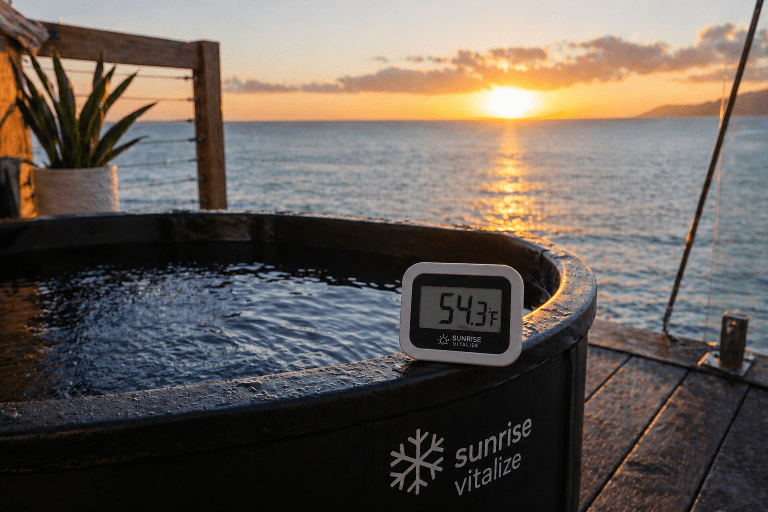
The key distinction worth understanding is that daily cold plunging at the right temperature (around 50–59°F / 10–15°C) with the right session length (2–4 minutes for most people) is very different from longer, colder plunges done without acclimatisation. Cold water immersion is a stressor on the body. A productive one — but a stressor nonetheless.
The Honest Case for Daily Cold Plunging
The practical argument for daily cold plunging is consistency. A regular routine can make cold-water exposure feel more familiar and easier to tolerate, although that doesn’t mean you need to plunge every day to gain potential benefits.
Cold-water immersion is commonly used after exercise because research suggests it can help reduce muscle soreness and improve perceived recovery. That can be useful after demanding training, but timing matters if building muscle is your main goal — we’ll cover that risk below.
Some people also report feeling more alert or energised after cold-water exposure. These short-term responses are plausible, but evidence for lasting improvements in mood, focus or general wellbeing from daily plunging is still developing.
Daily use should therefore be viewed as an optional routine rather than a requirement. The sensible approach is to balance any benefits you notice against recovery goals, cold tolerance and the additional maintenance that comes with using a plunge every day.
5 Risks of Daily Cold Plunging
The risks are worth understanding before you commit to a daily cold plunging routine.
Can daily cold plunging blunt muscle adaptation? There’s legitimate research suggesting that cold water immersion immediately post-strength training may reduce hypertrophy — the muscle growth response — over time. The theory is that inflammation is part of the adaptation signal, and cold suppresses it. If your primary goal is building muscle, daily cold plunging directly after lifting may work against you. Timing matters: leaving a gap of several hours between training and cold exposure appears to reduce this effect.
Cardiovascular shock risk: Sudden cold-water immersion can trigger a cold-shock response, including an involuntary gasp, rapid breathing, increased heart rate and a rise in blood pressure. This places additional strain on the cardiovascular system. Anyone with a heart condition, uncontrolled high blood pressure or concerns about their cardiovascular health should speak with a healthcare professional before starting cold plunging. Our guide on who should avoid ice baths covers the main higher-risk groups in more detail.
Hypothermia risk with extended sessions Two to four minutes is the practical window for most people at typical cold plunge temperatures. Extending sessions significantly increases hypothermia risk, particularly in winter or with water below 50°F. Daily cold plunging is safe at sensible durations. Extended plunges are where the risk profile changes.
Overuse of a stressor Your body adapts to cold over time. That adaptation is the mechanism behind the benefits. But adaptation also means diminishing returns if the dose never changes. Some practitioners recommend varying temperature or duration periodically to maintain the stimulus.
Poor water hygiene A cold plunge used daily and maintained poorly is a bacterial risk. This is the risk most people overlook entirely. More on this in the maintenance section.
What Daily Cold Plunging Actually Costs
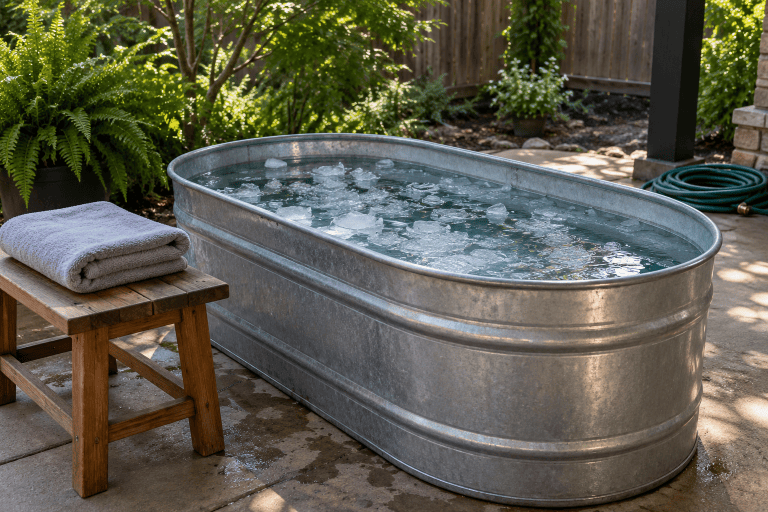
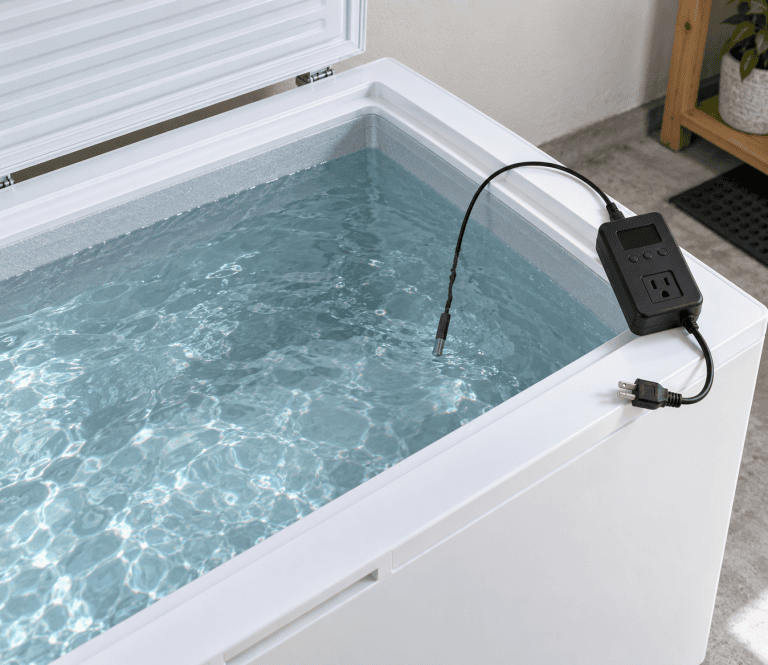
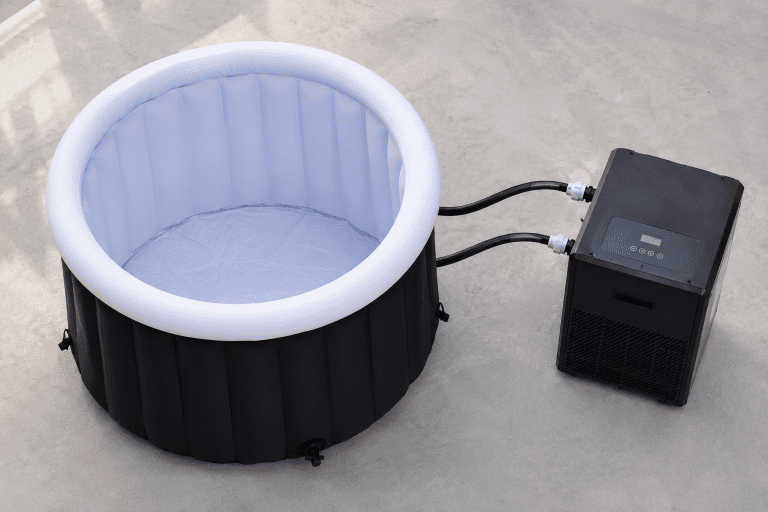
The cost of daily cold plunging sits in a wide range depending on your setup. A dedicated cold plunge tub — purpose-built with a chiller unit — runs from around $1,500 for a basic model up to $5,000+ for a quality system with filtration and temperature control. This is the practical choice for daily cold plunging. Filling a chest freezer with ice every day is neither cost-effective nor realistic at daily frequency.
Running costs for a chiller-based system are modest — typically $20–50 per month in electricity depending on ambient temperature, target water temperature, and your local energy rates. Cold water requires less energy to maintain than hot, which works in your favour. The Energy.gov electric resistance heating guide gives a useful framework for estimating electrical running costs.
If you’re planning to plunge regularly, convenience matters as much as the initial price. A chiller-based system costs more upfront, but it removes the need to buy and add ice before every session and can make maintaining a consistent water temperature much easier.
Installation Reality
Most cold plunge tubs designed for home use require nothing more than a 120V or 240V electrical supply, depending on the unit, and a garden hose connection. The footprint is compact — comparable to a large chest freezer. Indoor or outdoor placement both work, though outdoor units in colder climates benefit from a sheltered spot to reduce chiller workload.
Requirements for a home cold plunge depend on the unit and where you install it. Before setting one up, check the manufacturer’s electrical requirements and any applicable local building or electrical rules, particularly for a permanent outdoor installation. Outdoor electrical equipment may also require appropriate GFCI protection and weather-rated connections, so use a qualified electrician where necessary.
The one friction point worth flagging: drainage. Daily cold plunging means periodic water changes. If your unit doesn’t drain easily to a floor drain or outdoor area, this becomes a genuine inconvenience. Check the drain position before buying.
Maintenance When You’re Plunging Every Day
Daily cold plunging means daily bacterial load — sweat, skin cells, and organic matter going into the water every session. Maintenance at this frequency isn’t optional. It’s where the safety of the whole routine depends.
Cold water doesn’t eliminate the need for proper water care. How often you test, sanitise, clean filters or replace the water depends on the plunge system, filtration setup and how frequently it’s used. Follow the manufacturer’s water-care instructions rather than relying on one maintenance schedule for every type of cold plunge.
Shower before you plunge. It’s a simple step most people skip, and it meaningfully reduces the load on your filtration system. If you’re sharing the unit with others, treat the hygiene the same way you’d treat a commercial facility. For broader guidance on recreational water hygiene and reducing contamination, the CDC provides useful advice through its Healthy Swimming resources.
A proper filtration system isn’t a luxury for daily cold plunging — it’s what makes the whole thing sustainable.
Pros and Cons
Pros
- Regular cold exposure can become easier to tolerate as you become accustomed to the sensation
- Reduced muscle soreness and improved recovery are the most consistently reported physical benefits
- Some people report feeling more alert or energised after cold-water exposure
- Running costs are low compared to heated water therapies
- The routine itself has value — a daily anchor habit that starts the day with something hard
Cons
- The initial cost of a quality chiller unit is significant
- Daily cold plunging may blunt hypertrophy if timed poorly relative to strength training
- Requires ongoing maintenance — shortcuts will catch up with you
- Cold shock risk is real for those with underlying cardiovascular conditions
- Results require consistency over weeks — the early sessions are uncomfortable and the payoff isn’t immediate
Daily vs Every Other Day: Does Frequency Actually Matter?
The honest answer is that the research doesn’t definitively support daily cold plunging over every-other-day protocols for most goals. What the evidence does support is consistency over time. Whether you plunge every day or five days a week matters less than whether you maintain the practice for months.
For recovery-focused users, cold-water immersion after demanding exercise may help reduce muscle soreness. That doesn’t mean daily plunging is automatically better, though. How often you use it should depend on your training schedule, recovery needs and how well you tolerate the cold.
For general wellness, there’s no clear evidence that plunging every day provides greater benefits than a less frequent routine. If you strength train, frequency and timing also deserve some thought because repeated cold-water immersion immediately after resistance exercise may interfere with some training adaptations. Our cold exposure for recovery guide looks at that topic in more detail.
The practical consideration is your setup. A quality chiller unit holds temperature reliably and makes daily cold plunging a two-minute commitment. If you’re doing ice-based setups, daily frequency isn’t realistic without significant cost and effort.
Frequency Comparison Table
| Frequency | Practical Consideration | May Suit |
|---|---|---|
| Daily | Highest maintenance commitment and repeated cold exposure | Experienced users who tolerate cold well |
| 5x per week | Regular routine with occasional rest days | Frequent users with an established routine |
| Every other day | Lower weekly exposure and maintenance demand | People who don’t want or need a daily routine |
| 3x per week | Easier schedule for building cold tolerance gradually | Beginners and general wellness users |
| Weekly | Lowest commitment but limited regular exposure | Occasional cold-plunge users |
Helpful Gear
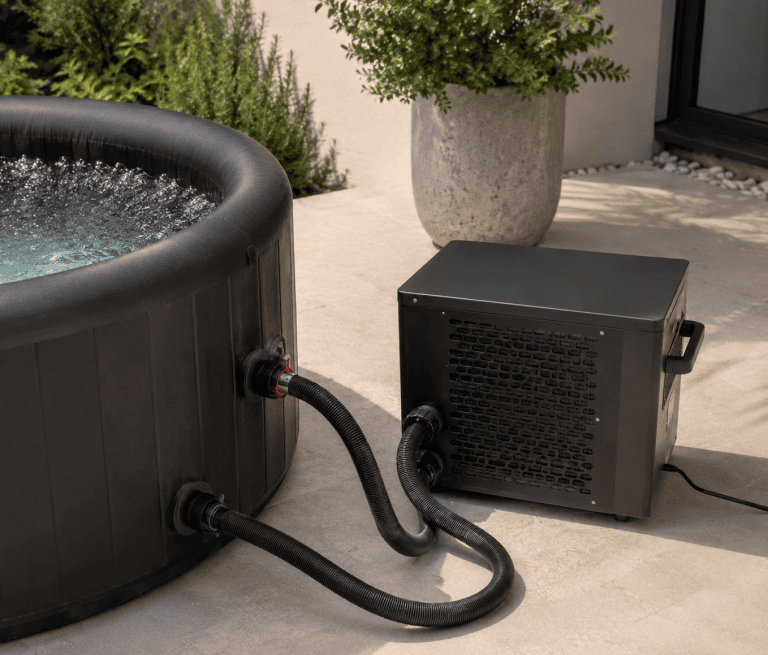
Cold plunge chiller and filtration unit — A dedicated chiller maintains water at a consistent target temperature without daily ice management, paired with built-in or attachable filtration to keep the water clean for daily use.
Water testing strips (chlorine/bromine/pH) — Multi-parameter test strips that let you check sanitiser levels and pH balance in seconds, essential for anyone using a cold plunge at daily frequency.
Cover for cold plunge tub-fitted waterproof lid that sits directly on your tub to keep debris, dust and insects out between sessions, reducing contamination and cutting down how often you need to change the water. Simple but effective for anyone plunging daily. Look for a cover sized specifically for your tub dimensions with waterproof, rip-proof material and a secure fit.
FAQs
Is daily cold plunging safe for healthy adults? Yes — daily cold plunging is generally safe for healthy adults when sessions are kept to 2–4 minutes at temperatures around 50–59°F, water hygiene is maintained, and cold shock precautions are observed. The risks increase with longer sessions, colder temperatures, or underlying cardiovascular conditions. Anyone with a heart condition should consult a doctor before starting.
Does daily cold plunging affect muscle building? Daily cold plunging immediately post-strength training may reduce hypertrophy over time by suppressing the inflammatory response that drives muscle adaptation. Leaving a gap of several hours between strength training and cold water immersion appears to reduce this interference. For recovery and general wellness without a hypertrophy goal, daily cold plunging poses no meaningful concern.
How long does it take to notice effects from regular cold plunging? The immediate effects of cold-water immersion, such as feeling more alert after a session, can be noticeable straight away. Longer-term responses vary considerably between individuals, and there isn’t a well-established timeline showing that daily cold plunging produces specific wellness benefits after a set number of weeks.
The Simple Rule
If you’re generally healthy and choose to cold plunge regularly, keep sessions short, use sensible water temperatures, build up gradually and maintain clean water. If you have cardiovascular problems or other health concerns, get medical advice before making cold plunging part of your routine.
Summary Snapshot
- Short, controlled cold plunges may be well tolerated by many healthy adults, but daily exposure isn’t risk-free
- Water temperature, session length and gradual acclimatisation all matter
- Cold-water immersion may help reduce muscle soreness after demanding exercise
- Repeated cold-water immersion immediately after strength training may interfere with some training adaptations
- Sudden cold exposure places extra strain on the cardiovascular system, so people with relevant health conditions should seek medical advice
- Daily use isn’t proven to be necessary for general wellness, and less frequent cold plunging may be more practical
- Good water hygiene and regular maintenance are essential when a plunge is used frequently
Final Verdict
Daily cold plunging can be a practical part of a recovery or wellness routine, but there’s no good reason to assume that more frequent or colder exposure is automatically better. Short, controlled sessions and gradual acclimatisation are a more sensible approach than chasing extreme temperatures or long immersion times.
If you’re using a plunge frequently, water hygiene matters just as much as the cold itself. A chiller and filtration system can make regular use more convenient, but it still needs appropriate cleaning and maintenance.
Daily plunging also isn’t necessary for everyone. Cold-water immersion may help with muscle soreness after demanding exercise, while less frequent sessions may suit general wellness just as well without committing to a daily routine. If you have cardiovascular problems or other relevant health concerns, speak with a healthcare professional before making cold plunging a regular habit. Our guide to the cardiovascular effects of ice baths looks more closely at how cold-water immersion affects the heart and circulation.