Ice Baths for Muscle Recovery Explained
Ice baths for muscle recovery have become one of the most talked-about tools in athletic wellness — and for good reason. Cold water immersion can reduce soreness, speed up recovery, and help your body bounce back faster after hard training sessions.
But before you fill your tub with ice or invest in a dedicated plunge unit, it’s worth understanding exactly what’s happening to your body, how much it actually costs, and whether ice baths for muscle recovery are the right tool for your goals.The good news is that ice baths for muscle recovery don’t have to be complicated. Whether you’re using your home bathtub or a dedicated plunge tub, the principles are exactly the same — consistency matters far more than expensive equipment.
This post may contain affiliate links. If you choose to purchase through them, I may earn a small commission at no extra cost to you.
Quick Snapshot
- What it is: Full or partial body immersion in cold water (50–59°F / 10–15°C)
- Primary benefit: Reduces inflammation and delayed onset muscle soreness (DOMS)
- Typical session: 10–15 minutes
- Who uses it: Athletes, fitness enthusiasts, recovery-focused individuals
- Cost range: $0 (DIY bathtub) to $5,000+ (dedicated cold plunge unit)
- Safety note: Not suitable for everyone — consult a doctor if you have cardiovascular concerns
Table of Contents
- What Are Ice Baths?
- How They Support Muscle Recovery
- Cost Reality
- Getting Set Up at Home
- Maintenance
- Pros and Cons
- Ice Bath vs. Other Recovery Methods
- Comparison Table
- Helpful Gear
- Frequently Asked Questions
- Summary
- Explore More
What Are Ice Baths and How Do They Work?
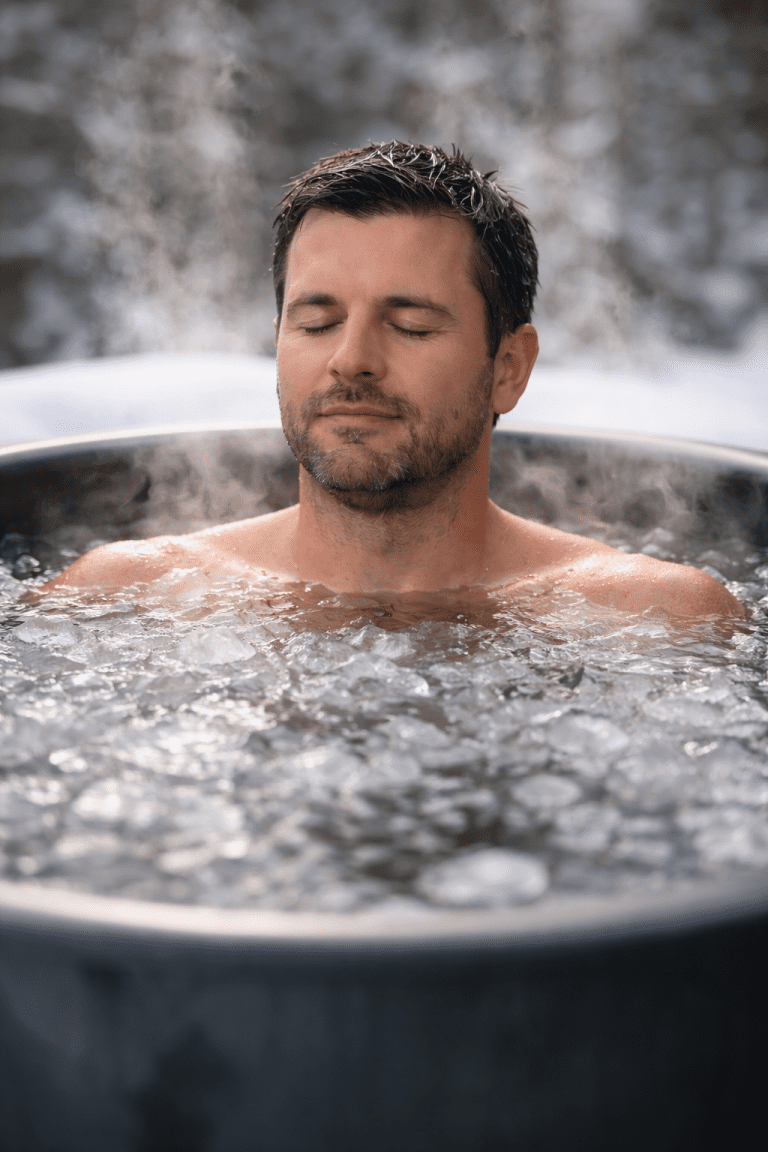
Ice baths for muscle recovery involves submerging your body (typically from the waist down) in water between 50°F and 59°F (10°C–15°C) for 10 to 15 minutes after exercise.
The mechanism is relatively straightforward. When you expose your body to cold water after intense physical effort, blood vessels near the surface constrict. This reduces blood flow to sore muscles, which limits the inflammatory response responsible for a large portion of post-workout soreness. Some of the recovery effect is tied to what’s happening to your cardiovascular system during and after the plunge, not just the muscles themselves.
When you exit the water, those same vessels dilate again — a process sometimes called the “pump effect” — pushing out metabolic waste products like lactic acid and flushing the muscles with fresh, oxygenated blood. Research on cold water immersion is ongoing, and results vary by individual, sport type, and timing. But the general consensus among sports scientists is that ice baths can meaningfully reduce the perception of soreness and help athletes train harder the following day. If you’re wondering how long you should actually stay in to get these effects without overdoing it, duration matters more than most people assume.
Research on cold water immersion is ongoing, and results vary by individual, sport type, and timing. But the general consensus among sports scientists is that ice baths can meaningfully reduce the perception of soreness and help athletes train harder the following day.
It’s worth noting: some studies suggest that regular cold water immersion immediately after strength training may blunt long-term muscle adaptation. If your primary goal is hypertrophy (muscle building), timing and frequency matter. For endurance athletes or those focused on back-to-back performance days, ice baths tend to offer clearer benefits.
Cost Reality
One of the most practical questions around ice baths is: what does this actually cost?
The honest answer —with ice baths for muscle recovery- it depends almost entirely on how seriously you want to commit.
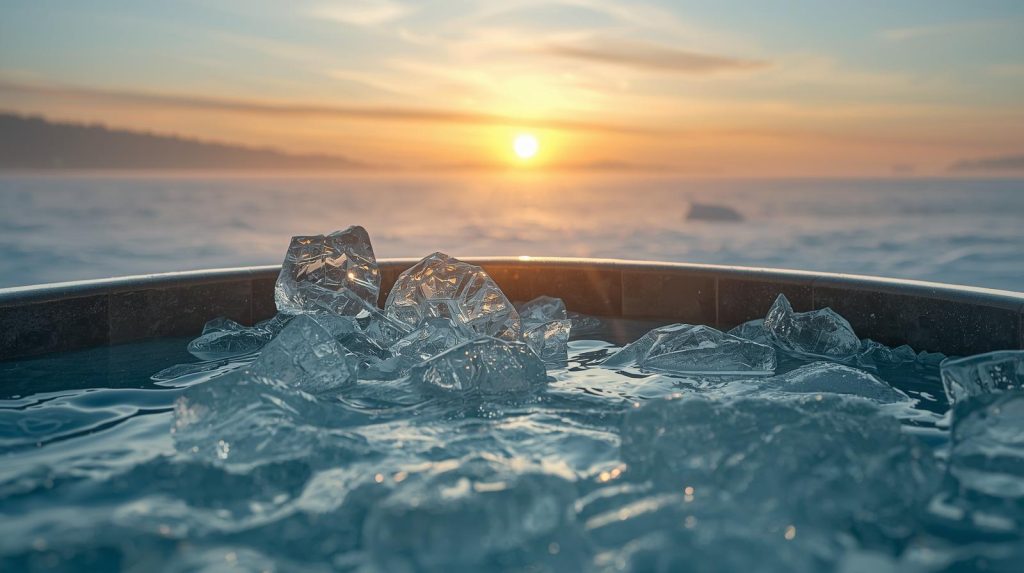
The free option: Your existing bathtub. Fill it with cold water and add bags of ice. Bags typically run $1–$3 each, and you might need 5–10 bags to bring the temperature down to the 50–59°F range. That’s roughly $5–$30 per session — which adds up quickly if you’re plunging several times a week.
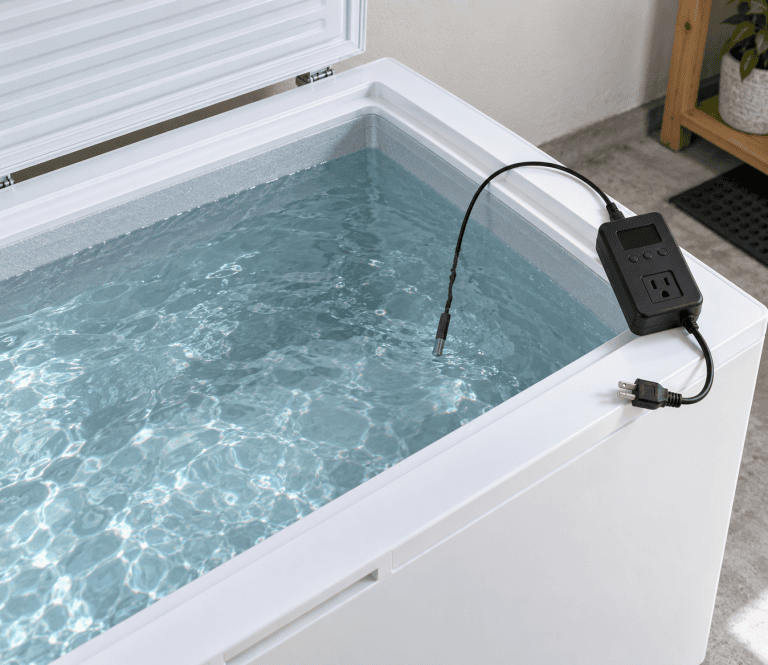
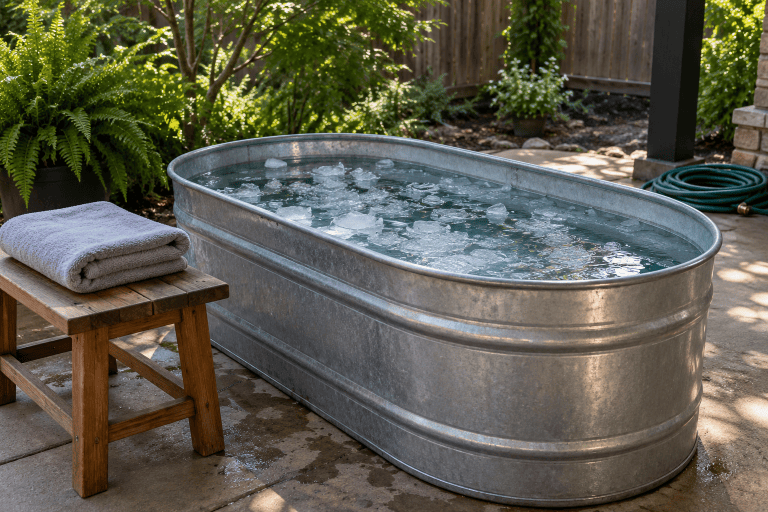
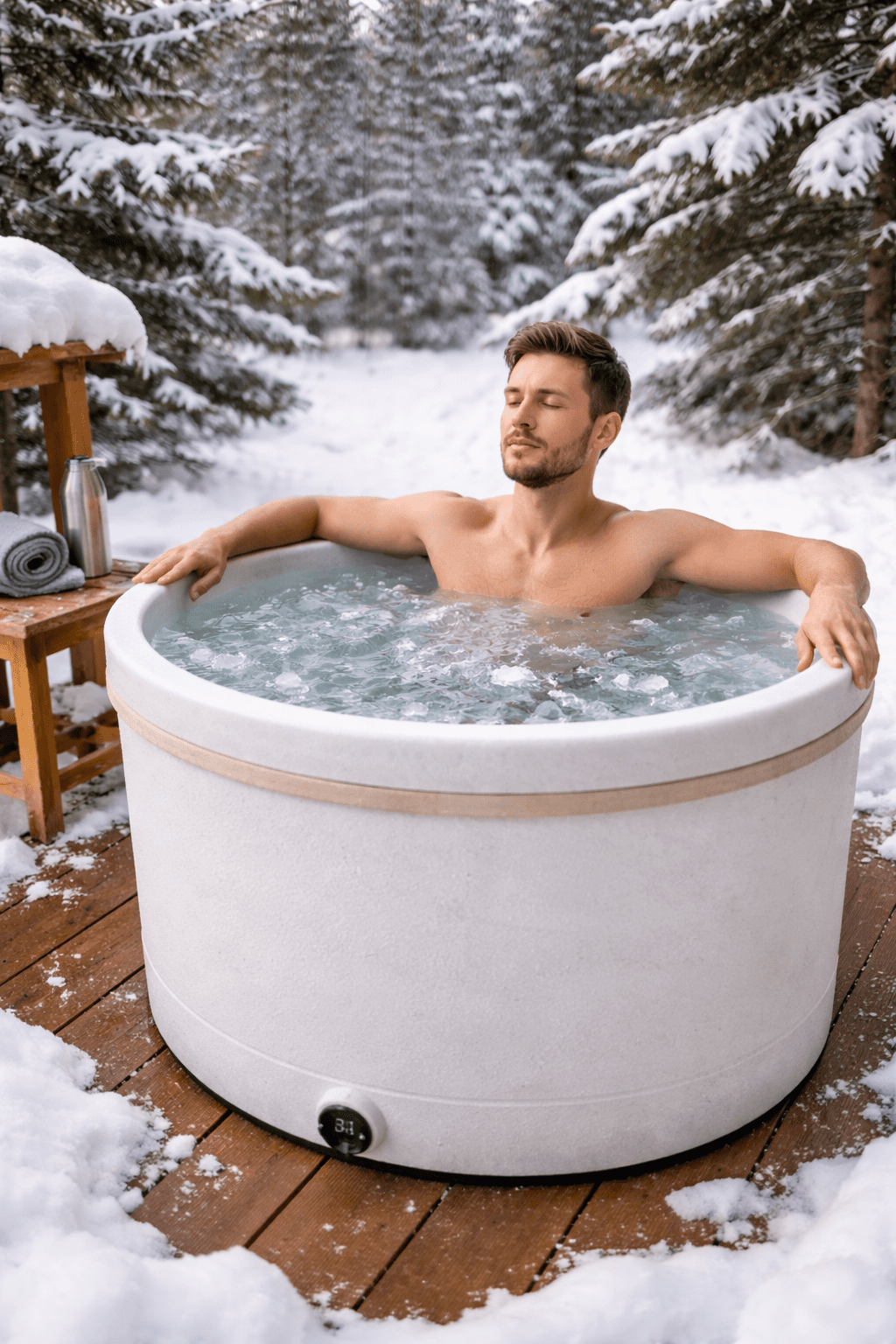
Portable cold plunge tubs: Barrel-style or inflatable units designed for home use typically run $200–$800. These are purpose-built, easier to fill and drain, and hold temperature better than a standard bathtub. They’re a solid middle ground.
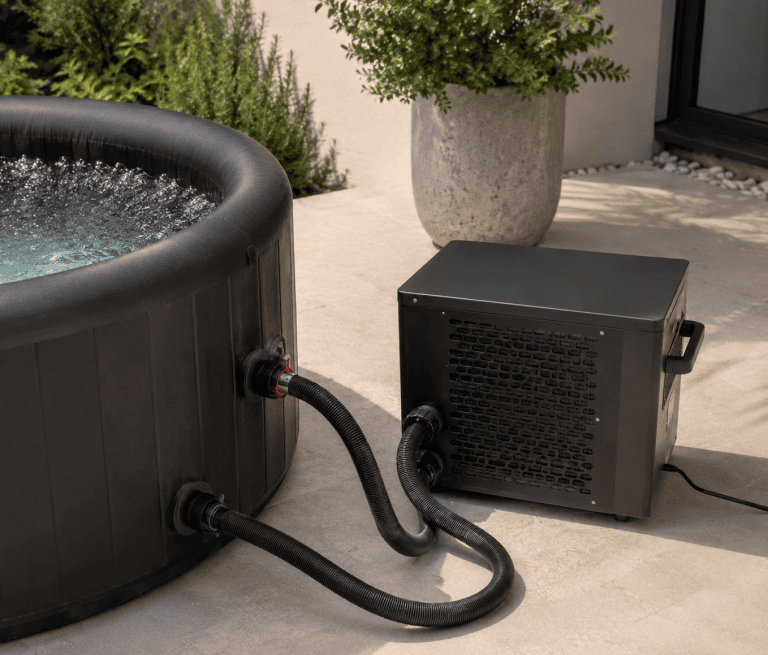
Dedicated cold plunge units with chillers: If you want precise temperature control without buying bags of ice, a self-chilling plunge unit is the premium option. Expect to pay $2,000–$6,000 for a quality unit from brands like Plunge, Ice Barrel, or Renu Therapy. These maintain a consistent temperature automatically, making the experience far more convenient — but the upfront cost is significant.
Ongoing costs to factor in:
- Ice (if using a bathtub or passive plunge tub): $20–$120/month depending on frequency
- Electricity (for chiller units): Roughly $20–$60/month
- Water changes: Periodic, depending on your setup
For most people, ice baths for muscle recovery are worth trying with a simple bathtub before investing in a premium cold plunge. That way, you can find out whether cold therapy fits your routine before spending thousands on dedicated equipment.
Getting Set Up at Home
Setting up ice baths for muscle recovery at home is simpler than most people expect — but there are a few friction points worth understanding before you buy anything.
Bathtub method: Almost no setup required. The challenge is temperature consistency. Your bathtub water will warm up faster than you’d like, and sourcing enough ice every session gets tedious. It works, but it’s not the most practical long-term solution.
Portable plunge tubs: Most arrive ready to use with minimal assembly. The main considerations are drainage (you’ll want to be near a drain or garden area) and space. A standard barrel plunge tub needs roughly 4–6 square feet of floor or outdoor space.
Chiller-based plunge units: These require a dedicated space, a power outlet (some units require 240V — check before purchasing), and ideally an outdoor or well-ventilated indoor area. Installation is generally plug-and-play, but you’ll want to plan your setup location carefully. Plumbing connections aren’t usually required.
A few things to sort before day one:
- Where will you drain the water? (Hose, drain access, or outdoor space)
- Is your chosen space protected from the sun? (Sun heats water faster)
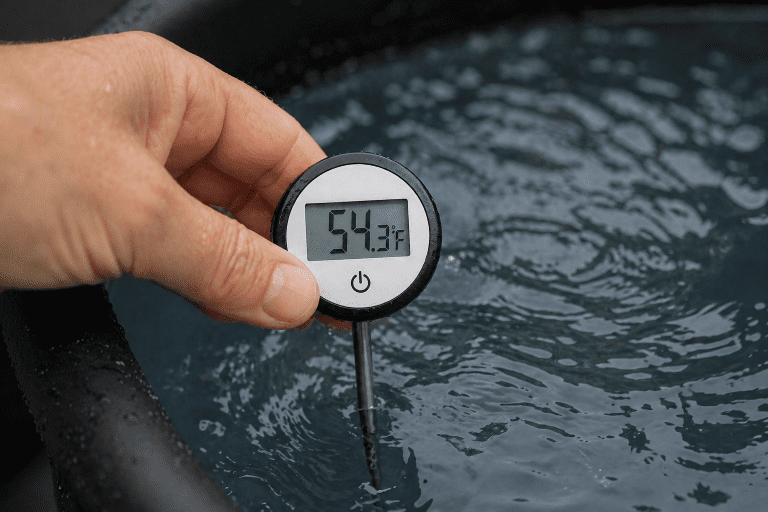
- Do you have a thermometer to monitor temperature? Getting the temperature right matters more than going as cold as possible — dialing in the right range does more for recovery than shock value.
Maintenance
Ice bath maintenance for muscle recovery is simpler than people think, but it still requires a bit of ongoing care.
Water quality: Still water gets stagnant. Most dedicated plunge units include a filtration system that keeps the water clean between full changes. For portable tubs without filtration, you’ll typically need to change the water every 1–2 weeks if used regularly, or add a small amount of food-grade hydrogen peroxide or Epsom salt to keep bacteria levels in check.
Cleaning the tub: Wipe down the interior every few weeks. Biofilm can build up on surfaces over time, especially with warmer ambient temperatures.
Chiller maintenance: For powered units, keep the filter clean (usually monthly), and ensure the unit’s ventilation isn’t blocked. Most modern plunge chillers are designed to be low-maintenance, but following the manufacturer’s schedule prevents costly repairs.
Winter considerations: If your plunge tub is outdoors in a cold climate, check whether your unit or hoses are rated for freezing temperatures. Some units need to be drained or winterized.
Pros and Cons
Pros
- Measurably reduces perceived muscle soreness after intense training
- Can improve mental resilience and stress tolerance over time
- Broad range of price points — accessible at almost any budget
- Quick sessions (10–15 minutes) fit easily into recovery routines
- Growing body of research supporting use in athletic recovery
Cons
- May reduce muscle growth adaptation if used immediately after strength training
- Cold immersion can feel extremely uncomfortable for beginners
- DIY ice sourcing gets expensive and inconvenient quickly
- Premium chiller units have significant upfront costs
- Not safe for people with cardiovascular conditions without medical clearance— who should avoid ice baths entirely is worth reading before you start, not after.
Ice Baths vs. Other Recovery Methods
Ice baths for muscle recovery don’t exist in isolation. It’s one of several science-backed recovery tools, and understanding where it fits relative to the others helps you decide how to incorporate it.
Ice bath vs. contrast therapy (hot/cold alternating): Contrast therapy — alternating between hot and cold — is used by many elite athletes and combines the benefits of both vasodilation (from heat) and vasoconstriction (from cold). Some research suggests contrast therapy may edge out cold-only immersion for overall recovery. If you have access to a sauna or hot tub alongside your cold plunge, combining the two is worth exploring.
If you use heat after a plunge, our guide to warming up after an ice plunge explains the difference between normal rewarming and deliberate contrast therapy.
Ice bath vs. foam rolling / massage: Foam rolling addresses the mechanical component of muscle soreness — breaking up adhesions and improving tissue mobility. Cold immersion works systemically on inflammation. They address different things and work well together.
Ice bath vs. active recovery: Light movement (walking, cycling at low intensity) promotes blood flow and waste product clearance through a different mechanism. For many athletes, active recovery is more sustainable as a daily tool, with ice baths reserved for after harder sessions.
Ice bath vs. sleep: Bluntly — no recovery tool replaces sleep. Cold immersion is best thought of as a complement to good sleep, not a shortcut around it.
Comparison Table
| Recovery Method | Cost | Time Required | Best For | Downside |
|---|---|---|---|---|
| Ice Bath | $0–$6,000+ | 10–15 min | Soreness reduction, endurance recovery | Can blunt muscle adaptation |
| Contrast Therapy | Moderate–High | 20–30 min | Full-body recovery, circulation | Requires both hot + cold access |
| Foam Rolling | $15–$50 | 10–20 min | Tissue mobility, flexibility | Doesn’t address systemic inflammation |
| Active Recovery | $0 | 20–45 min | Daily recovery, circulation | Less effective for acute soreness |
| Massage | $60–$150/session | 60 min | Deep tissue work, relaxation | Expensive, requires practitioner |
Helpful Gear
You don’t need much to start, but a few tools make the experience significantly better.
Water thermometer takes the guesswork out of hitting your target temperature range. Basic dial thermometers work fine — digital ones with a floating design are particularly easy to use during a plunge session. Something like the Wireless Pool Thermometer lets you monitor temperature without leaning over the tub.
Portable plunge barrel,– the cold Pod offers a durable, insulated option at a reasonable price point relative to chiller-based units. It doesn’t actively cool water, but it holds temperature well and is built to last.
Ice Pod Pro — For those ready for a dedicated cold plunge setup, the Ice Pod Pro is a well-reviewed insulated tub with a pump included. It holds temperature effectively without a chiller, and the barrel-style design gives you a proper full-immersion plunge at a fraction of the cost of self-chilling units.
(Affiliate links above help support this site at no extra cost to you.)
Frequently Asked Questions
How cold should ice baths for muscle recovery actually be? Most sports science research and practitioner guidance lands in the 50–59°F (10–15°C) range. Going colder doesn’t necessarily mean better results — and temperatures below 50°F increase the risk of cold shock. A simple thermometer removes the guesswork.
How long should I stay in? Start with 5–7 minutes if you’re new to cold immersion, and work toward 10–15 minutes over several sessions. Duration matters less than consistency — regular shorter sessions tend to deliver better results than infrequent longer ones.
Is it safe to do every day? For most healthy adults, daily cold immersion is fine. The caveat for strength athletes: daily ice baths immediately post-training may reduce the acute inflammatory signal that drives muscle adaptation. A common approach is to use cold immersion on endurance days and skip it on heavy lifting days. For a closer look at frequency and the risks of regular use, see our guide to daily cold plunging safety.
The Simple Rule
If you’re consistently sore and struggling to recover between sessions, cold water immersion is worth trying — start simple, stay consistent, and scale up your setup only when you know it works for you.
Ultimately, the success of ice baths for muscle recovery comes down to using them consistently rather than owning the most expensive setup. Even a basic DIY plunge can deliver many of the same recovery benefits when used properly.

Final Verdict
Ice baths for muscle recovery are a well-supported, accessible tool — not a gimmick. The research is real, the benefits are meaningful for the right person and use case, and you don’t need to spend thousands to get started.
The key is being honest about your goals. If you’re using ice baths for muscle recovery as an endurance athlete or someone who trains multiple times per week and struggles to recover, cold immersion is worth building into your routine. If you’re focused primarily on building muscle mass, time your sessions carefully and be aware of the potential trade-off with strength adaption .
If you use heat therapy alongside cold exposure, sauna sessions explore recovery from the opposite direction.
Steam pairs especially well with cold immersion for contrast therapy — how steam compares for recovery is worth a look if you’re building a routine around both.