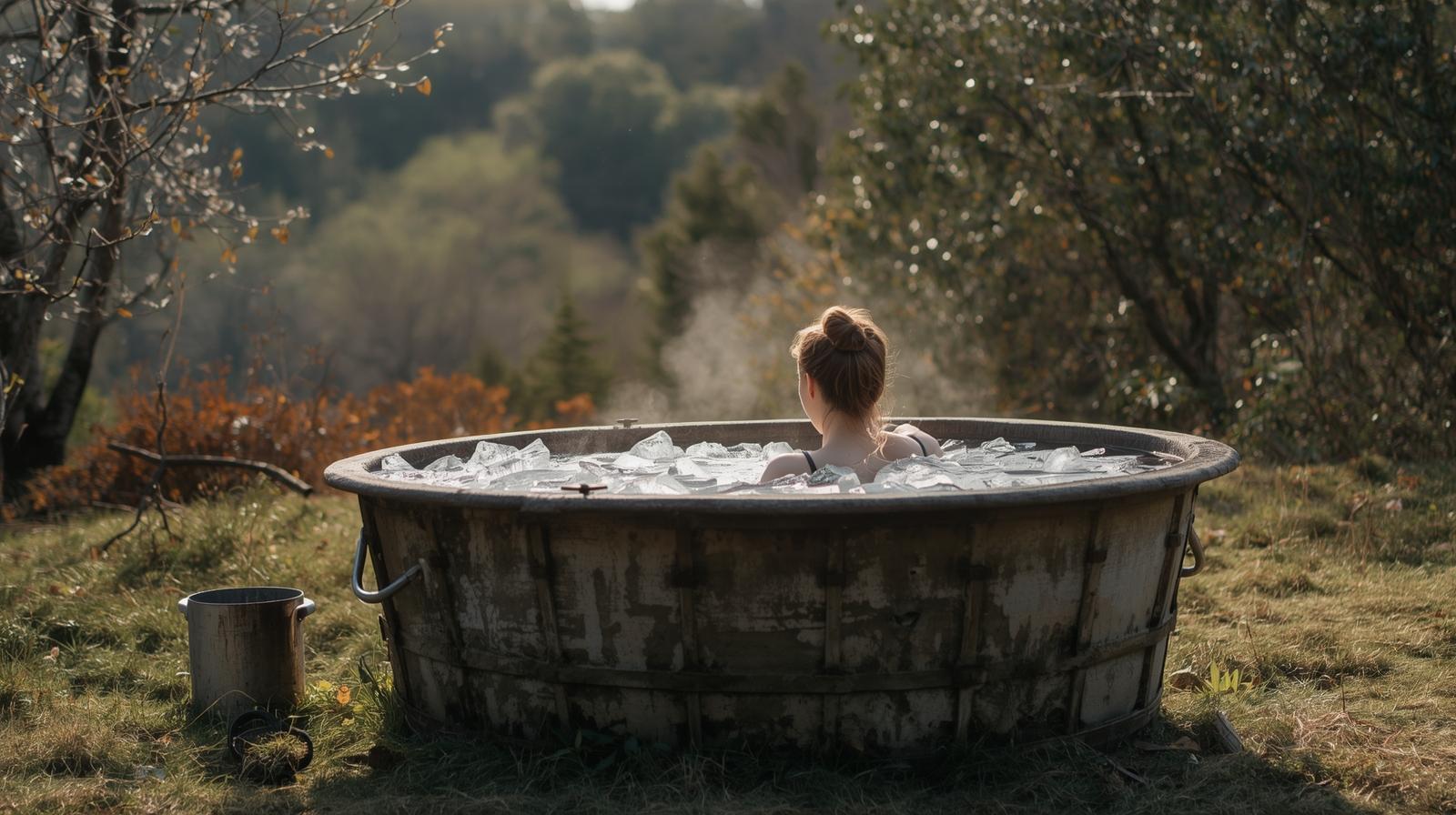
Does Cold Plunging Improve Circulation? What the Science Actually Says
Does cold plunging improve circulation — the way it works might surprise you. When you submerge in cold water, your body doesn’t simply “boost” blood flow uniformly. It triggers a precise vascular sequence that, over time, conditions your cardiovascular system in meaningful ways.
That said, “improved circulation” means different things depending on who you ask — and the full picture is worth understanding before you invest in a tub.
This post may contain affiliate links. If you choose to purchase through them, I may earn a small commission at no extra cost to you.
Quick Snapshot
- Cold water triggers vasoconstriction then vasodilation — a pumping effect on your blood vessels
- Regular cold plunging may improve vascular tone over weeks of consistent use
- Not a replacement for cardiovascular exercise, but a useful complement
- Best results seen with 2–4 sessions per week, 2–10 minutes each
- People with heart conditions should consult a doctor before starting
- Cost range: $300 (budget inflatable) to $5,000+ (dedicated ice plunge units)
Table of Contents
- How Cold Plunging Affects Circulation
- Cost Reality
- Installation Friction
- Maintenance
- Pros and Cons
- Cold Plunge vs. Other Recovery Methods
- Comparison Table
- Helpful Gear
- FAQ
- The Simple Rule
- Summary Snapshot
- Continue Exploring
- Final Verdict
Does Cold Plunging Improve Circulation: How It Works
So does cold plunging improve circulation? The short answer is yes, with caveats.
When your body hits cold water, your blood vessels don’t stay passive. The skin and extremities experience vasoconstriction — blood vessels narrow and push blood toward your core to protect vital organs. Your heart rate typically rises briefly, cardiac output increases, and blood pressure ticks up .Regular cold plunging can improve circulation over time with consistent practice .
Then, when you exit the water, the opposite happens. Vessels dilate rapidly in what’s sometimes called a “vascular flush.” This alternating constriction and dilation is often compared to a pump — repeatedly exercising the smooth muscle tissue that lines your arteries and veins.
Over weeks of consistent practice, some research suggests this cycle may:
- Improve vascular elasticity — vessels become better at adapting to temperature and pressure changes
- Enhance peripheral circulation — the hands and feet may warm up more efficiently after cold exposure
- Support lymphatic flow — the lymphatic system benefits from the muscular activity cold triggers
- Reduce post-exercise inflammation — by constricting blood flow to inflamed tissue immediately after training
The evidence on whether cold plunging improves circulation is promising but still developing — here’s what the research actually shows.
It’s worth being clear: the evidence here is promising but not conclusive. Most strong studies are small, and researchers are still working out the ideal protocols. What we do know is that vasomotor response — your body’s ability to constrict and dilate vessels efficiently — appears to improve with regular cold exposure in otherwise healthy adults.
What cold plunging is not is a substitute for cardiovascular exercise. Running, cycling, swimming — these create the sustained cardiac demand that builds long-term cardiovascular health. Cold plunging works as a complement, not a replacement.
For more on how cold therapy compares to other wellness practices, see our guide on heat vs. cold recovery methods — it covers sauna, steam room, and ice bath side-by-side.
Cost Reality
Cold plunging covers a wide price spectrum. Here’s what you’re actually looking at:
If you’re convinced that cold plunging improves circulation and want to start, here’s the honest cost picture.
Budget tier ($50–$400) Inflatable ice bath tubs or simple chest freezers converted into plunge units. Functional, but you’ll fill them with ice (ongoing cost) or add a chiller separately. Fine for testing the habit.
Mid-range ($400–$1,500) Dedicated cold plunge tubs made from acrylic or fiberglass, sometimes with basic insulation. You’ll still need a chiller or ice to maintain temperature unless the unit includes basic cooling.
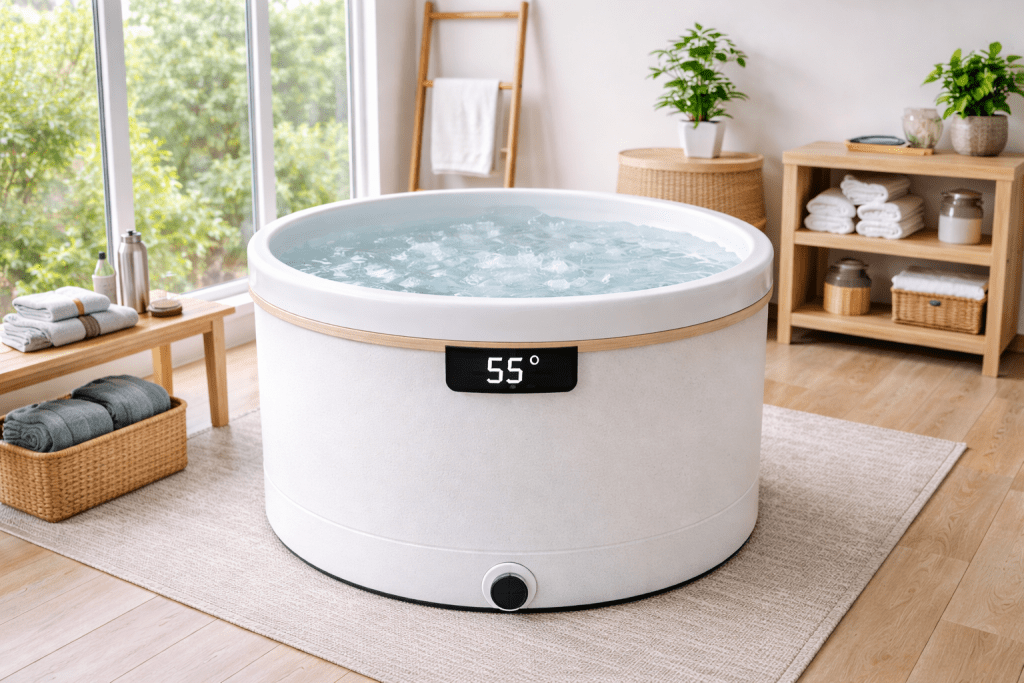
Premium ($1,500–$5,000+) Units with built-in chillers, filtration, and digital temperature control. These hold a set temperature indefinitely and require minimal ongoing ice cost.
Ongoing costs to factor in:
- Ice (if not using a chiller): $5–$20 per session
- Electricity for a dedicated chiller: roughly $20–$60/month depending on your climate
- Water treatment chemicals: $10–$30/month
- Filter replacements: $50–$150/year
A dedicated chiller unit typically pays for itself within 6–12 months compared to buying ice regularly.
Installation Friction
Most cold plunge setups are simpler to install than people expect — but there are real considerations.
Outdoor placement: The most common setup. You need a flat, level surface (deck, patio, concrete pad) and access to a garden hose. No plumbing required for fill. Drainage can be handled with a hose or a simple drain line.
Indoor placement: More involved. You’ll want a waterproof floor, a floor drain nearby, and adequate ventilation. Some users place units in garages or utility rooms.
Electrical: Budget units need nothing. Chiller-equipped units typically require a standard 110V outlet — some higher-end models need 220V. Check specs before purchasing.
Weight: A filled cold plunge tub can weigh 500–800 lbs depending on size. Make sure your deck or floor can handle it.
HOA or rental considerations: If you’re renting or in an HOA community, check rules before purchasing. Permanent installation may require approval; freestanding units are usually fine.
Maintenance
Maintenance is where cold plunging separates casual users from committed ones.
Water hygiene is the main job. Cold water doesn’t grow bacteria as fast as hot tubs, but it still needs management.
- With a filtration system: Test water 2–3x per week. Use a non-chlorine oxidizer or low-dose chlorine to keep bacteria down. Full drain and refill every 1–3 months.
- Without filtration: Change water every 1–2 weeks at minimum. This is the real cost of cheaper units — water waste and time.
- UV systems: Some premium units include UV sanitation, which drastically reduces chemical dependence.
Temperature maintenance: Chillers do the work automatically. Without one, you’re adding ice before each session, which adds both cost and effort.
Cover use: Always use a cover when the tub isn’t in use. This reduces debris, slows evaporation, and maintains temperature with less energy.
The honest answer: if you’re buying a budget unit without filtration, expect 15–30 minutes of maintenance per week. A quality chiller unit with good filtration drops that to under 10 minutes.
Pros and Cons
Pros:
- Measurable short-term circulation improvement after each session cold plunging
- Potential long-term vascular adaptations with consistent use
- Helps reduce exercise-induced muscle soreness
- Relatively low time commitment per session (2–10 minutes)
- Can be done at home year-round with the right setup
Cons:
- Cold plunging carries the risk for people with cardiovascular conditions due to the shock response
- Premium setups have significant upfront cost
- Budget setups require ongoing ice or labor-heavy maintenance
- Evidence for long-term cardiovascular benefit is still developing
- Not a substitute for aerobic exercise
Cold Plunge vs. Other Recovery Methods
Cold Plunge vs. Sauna: Sauna also stimulates vascular response — through heat-induced vasodilation. Many athletes alternate between the two (contrast therapy) for a more complete vascular workout. Cold plunging alone addresses the constriction side; sauna addresses dilation. Together, they’re complementary. Both methods help cold plunging improve circulation from different angles .
Cold Plunge vs. Compression Therapy: Compression garments apply mechanical pressure to move blood from extremities. Cold plunging triggers a similar lymphatic flush, but through temperature rather than pressure. Different mechanisms, similar outcomes for recovery.
Cold Plunge vs. Contrast Showers: Cold showers are a free entry point — and they do provide some vascular stimulus. But full-body immersion triggers a more significant and uniform response than a shower, particularly for the lower extremities.For anyone asking whether does cold plunging improve circulation more than a cold shower, the answer is usually yes — full immersion creates a stronger vascular response.
Cold Plunge vs. Steam Room: Steam rooms elevate skin temperature and promote sweating — good for circulation through heat, but the opposite mechanism from cold. Some wellness facilities offer both. See our steam room guide
Comparison Table
| Method | Vascular Effect | Cost to Start | Time per Session | Best For |
|---|---|---|---|---|
| Cold Plunge | Constriction → dilation | $50–$5,000+ | 2–10 min | Recovery, vascular conditioning |
| Sauna | Vasodilation | $500–$8,000+ | 15–30 min | Relaxation, cardiovascular health |
| Contrast Therapy | Full cycle | Both combined | 20–40 min | Athletes, serious recovery |
| Compression | Mechanical flush | $50–$300 | 20–30 min | Swelling, post-surgery |
| Cold Shower | Mild constriction | Free | 2–5 min | Entry-level cold exposure |
| Steam Room | Vasodilation | $1,000–$10,000+ | 15–20 min | Skin health, respiratory |
Helpful Gear
If you’re setting up a cold plunge at home, these tools make the experience significantly better:
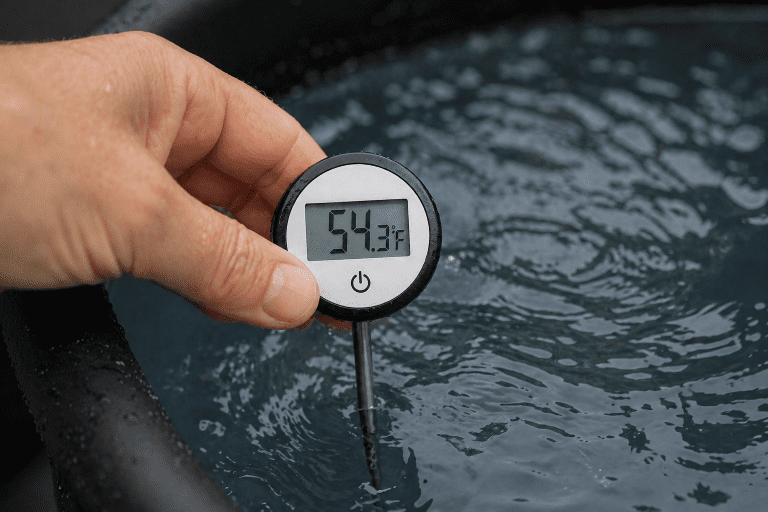
A quality thermometer — You want to know exactly what you’re getting into. Many chillers have built-ins, but a secondary probe thermometer is cheap peace of mind.
A water test kit — Particularly if you’re running without a filtration system. Basic water test strips designed for cold plunges check pH and sanitizer levels in seconds. Browse options at sunriseandvitalize.com/sunrise-ice-plunge-picks.
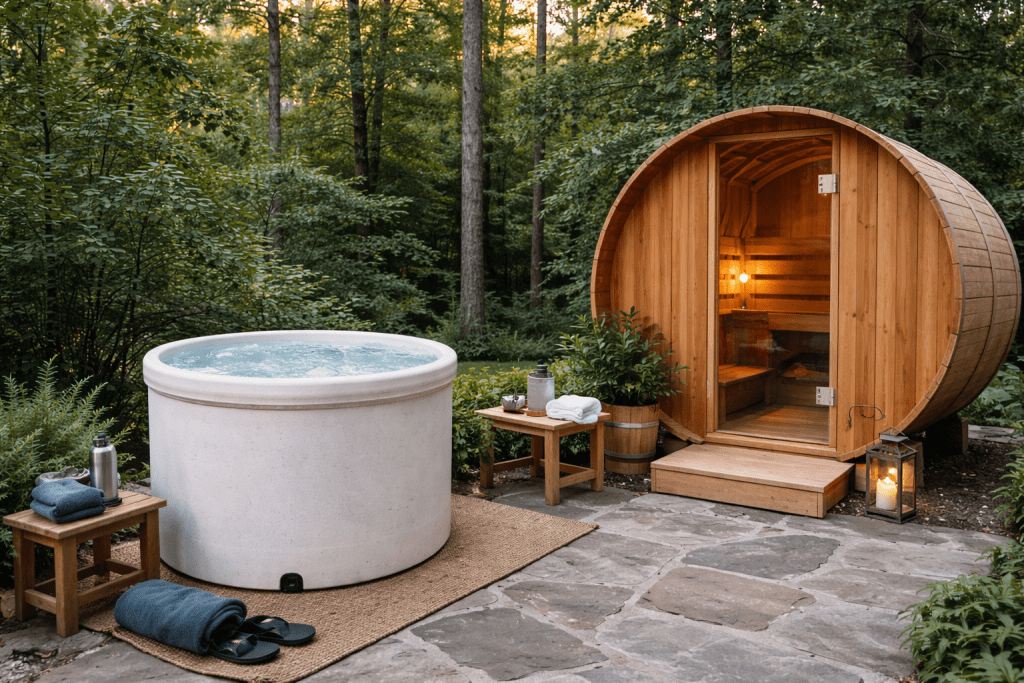
Ice tub cover — Keeps your water temperature stable and cuts electricity costs on chiller units. Most premium tubs include one, but aftermarket options fit most barrel-style setups.
These aren’t required to start, but they make the routine sustainable long-term.
FAQ
How long does it take to see circulation improvements from cold plunging?
Most users report feeling the immediate vascular response (warmth after a session, improved alertness) within the first few sessions. Longer-term adaptations — improved resting vascular tone, faster warming of extremities — does cold plunging improve circulation are typically reported after 4–8 weeks of consistent practice, 3–4 sessions per week.
Is cold plunging safe if I have high blood pressure or a heart condition?
This is a real consideration. The cold shock response causes a rapid spike in heart rate and blood pressure in the first 30–60 seconds of immersion. For people with controlled hypertension, moderate cold plunging may be fine — but you should consult your doctor first. Anyone with an active cardiac condition, arrhythmia, or Raynaud’s disease should get medical clearance before starting.
What temperature should the water be for circulation benefits?
Most research looks at water temperatures between 50°F and 59°F (10°C–15°C). This range is cold enough to trigger a meaningful vascular response without being dangerously extreme. Beginners often start at 60°F and gradually work down as tolerance builds.
Does cold plunging improve circulation in the legs specifically?
Yes — the lower extremities respond strongly to full immersion, which is why peripheral circulation improvements are often the first thing people notice.
The Simple Rule
Does cold plunging improve circulation? Yes — but only with 3-4 sessions per week for 6+ weeks. cold plunging is one of the more accessible ways to give your vascular system consistent, low-impact training — at home, on your schedule.
Does Cold Plunging Improve Circulation: Summary Snapshot
- ✅ Cold plunging does improve circulation through repeated vascular constriction and dilation
- ✅ Benefits build over weeks of consistent practice
- ✅ Best results: 50°F–59°F water, 2–10 minutes, 3–4x per week
- ⚠️ Not suitable without medical clearance for those with heart conditions
- 💰 Expect $300–$5,000+ depending on setup quality
- 🔧 Maintenance is manageable with the right filtration system
Final Verdict
Cold plunging does improve circulation — specifically through the vascular training effect of repeated constriction and dilation. It’s not a cardiovascular cure-all, and it won’t replace consistent aerobic exercise. But as a complementary practice, particularly for recovery and vascular conditioning, the evidence is solid enough to take seriously.
The honest version: start with cold showers if you’re unsure. If you find yourself genuinely using them consistently for 30 days, a proper cold plunge tub is worth the investment. The immersion experience is meaningfully different — full-body, more intense, and more effective.
For people who already train regularly and want to give their circulation system more stimulus between workouts, cold plunging is one of the more practical tools available at home.
Does cold plunging improve circulation enough to justify the investment? For most healthy adults, yes.
If you’re exploring heat therapy alongside cold exposure, our sauna guides cover everything from heater selection to session protocols.
For moist heat recovery, our steam room guides are a good companion read to cold plunge practice.