
Are Ice Bath Chiller Systems Worth It?
An ice bath chiller system is the one upgrade that turns a bucket-and-bag-of-ice routine into something you’ll actually stick with long term. That’s the honest starting point, because most people who ask this question already know ice alone works — they’re really asking whether the convenience is worth the cost.
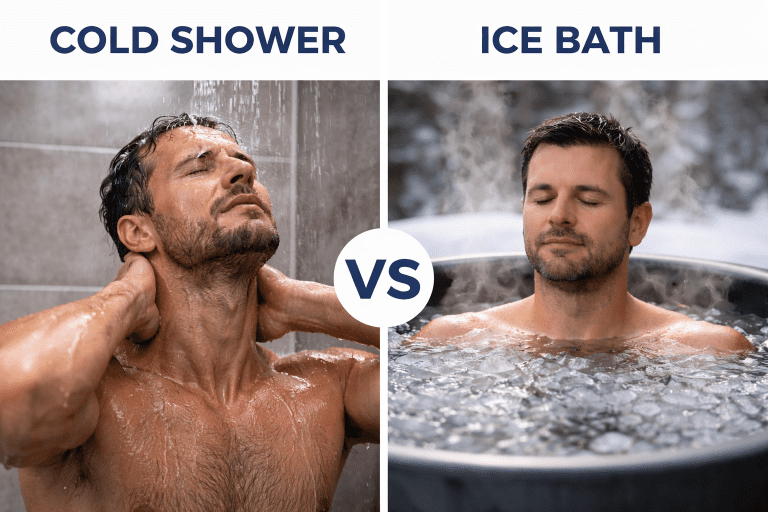
Cold immersion without a chiller means constant ice runs, a cooler full of melting bags, and water that warms up within an hour. Ice can cool the water without the upfront cost of a chiller, but the experience and any benefits depend on temperature, immersion time, and the individual. But sustaining that a few times a week, every week, for a year, is where the ice-bucket method starts to wear thin. That’s the gap a chiller closes.
Here’s the honest tradeoff most people don’t think through before buying: a chiller doesn’t make the plunge feel better than ice water at the same temperature. It makes doing it again tomorrow more likely. That’s the actual product being sold.
As an Amazon Associate, Sunrise & Vitalize earns from qualifying purchases. If you buy through an affiliate link, we may earn a small commission at no extra cost to you.
Quick Snapshot
- Cost: Compare the current standalone chiller price with a complete tub-and-chiller package, and include any required pump, hoses, fittings, and filtration in your budget.
- Temperature stability and cooling time depend on the chiller’s capacity, water volume, insulation, ambient temperature, and chosen setting.
- A chiller adds ongoing electricity draw — expect it to run intermittently, not constantly, once your target temperature is reached
- Best suited to daily or near-daily users; occasional users often get better value sticking with ice

Table of Contents
- What an Ice Bath Chiller System Actually Does
- Is an Ice Bath Chiller System Worth the Investment?
- Cost Reality
- Installation Friction
- Maintenance
- Pros and Cons
- Chiller vs. Ice: Side-by-Side
- Helpful Gear
- FAQ
- Final Verdict
What an Ice Bath Chiller System Actually Does
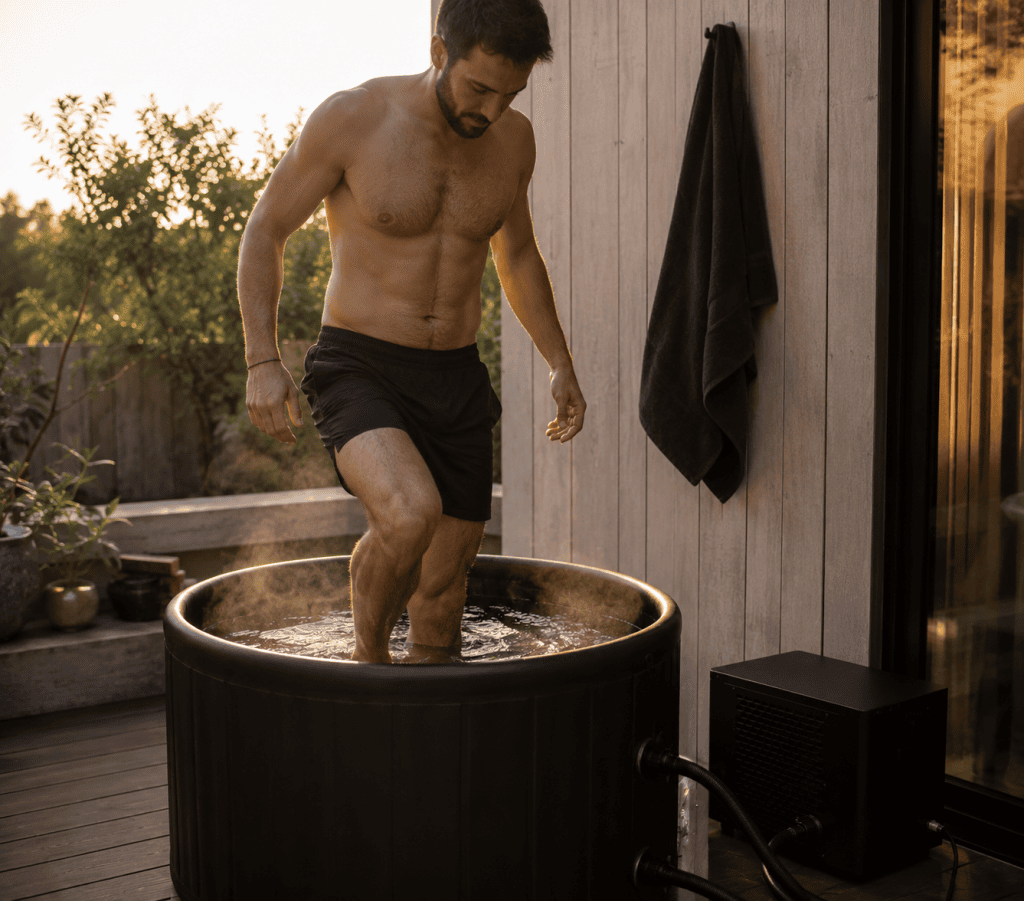
An ice bath chiller system is a refrigeration unit plumbed into your tub that pulls heat out of the water and holds it at a set temperature, within the model’s operating range; its lowest setting is not a recommended bathing temperature. Instead of adding ice before every session, the unit runs a closed loop — pump out, chill, pump back in — and keeps the water cold around the clock or on a schedule you set.
How cold an ice bath chiller can get depends on the model and operating conditions. Its minimum setting is not a recommended bathing temperature. Colder water increases cold-shock and cold-stress risks; choose your temperature and immersion time cautiously rather than aiming for the lowest setting.
The core appeal of an ice bath chiller system isn’t the temperature itself — ice gets you there just as effectively — it’s that the temperature holds itself. For anyone using cold immersion after a hard workout, that consistency is what makes daily use realistic instead of aspirational. According to Healthline, cold water therapy has been linked to reduced muscle soreness and improved recovery time, though research on optimal frequency is still developing.
Is an Ice Bath Chiller System Worth the Investment?
This is the question that actually matters, and the honest answer depends entirely on frequency. If you’re plunging once or twice a week, an ice bath chiller system is probably overkill — a few bags of ice and a insulated tub get you the same water temperature for a fraction of the cost. The math changes once you’re doing this four or more times a week.
At that frequency, ice becomes a second job. You’re either running to the store constantly or filling trays days in advance, and the water still warms up faster than you’d like mid-session. A chiller removes that friction entirely. The ice bath chiller system is ready whenever you are, at the same temperature every time, with zero prep.
Where it doesn’t pay off: seasonal users, anyone without a dedicated space for the tub and unit, and people who plunge outdoors where ambient winter temperatures already do the job for free for several months a year.
Cost Reality
Standalone ice bath chillers typically cost $800–$2,500 for home use, with most reliable mid-range units landing around $1,200–$1,800. Combined tub-and-chiller packages can run $2,000–$5,000, depending on tub material and chiller capacity. These figures shift with the market, so treat them as a starting range rather than a fixed price.
Running costs are the part people underestimate. An ice bath chiller system doesn’t run continuously once it hits target temperature — it cycles on to correct drift, similar to a refrigerator. Expect a modest but real addition to your electricity bill, generally more noticeable in warmer climates where the unit works harder to hold a low temperature against ambient heat.
Compare that to the ongoing cost of ice: a few dollars per session doesn’t sound like much until you multiply it across a year of consistent use, at which point the two options often land closer together than expected. Whether a chiller pays for itself depends on your ice spending, electricity rate, maintenance costs, and purchase price; convenience may matter more than financial savings.
Installation Friction
Check tub compatibility, hose connections, airflow clearance, and electrical requirements before buying. Follow the specific model’s installation instructions rather than assuming a few inches of clearance is enough.
Some home chillers plug into a 120V outlet, but they may require a dedicated circuit and GFCI protection. Have an electrician check the supply if it does not meet the manufacturer’s requirements. Keep plugs and connections dry and follow the unit’s outdoor-use restrictions.
The friction most people don’t anticipate isn’t the plumbing — it’s the noise. A running chiller has a compressor, and that compressor hums, sometimes with a faint vibration through the floor if it’s sitting on a hard surface. It’s not loud in the way a generator is loud, but if the unit lives in a garage attached to the house, or a shed near a bedroom window, it’s worth running one at the intended location before committing to that spot permanently.
Maintenance
An ice bath chiller system needs regular filter care and water treatment. Follow the manufacturer’s schedule for cleaning or replacing filters, testing and treating the water, and draining the tub. Filtration alone does not disinfect the water, and keeping it cold does not prevent microbial growth. Use only treatment products approved for your tub and chiller.
Skipping filter changes is the most common maintenance failure. A clogged filter reduces flow, which makes the chiller work harder and can shorten its lifespan. Budget for filter replacements as a real ongoing cost, not an afterthought.
Pros and Cons
Pros:
- Consistent, precise temperature every session — no guesswork, no melting ice
- No ongoing ice purchases or freezer space needed
- Makes daily or near-daily use genuinely sustainable long term
Cons:
- Upfront cost is significant compared to ice-only setups
- Compressor noise and vibration are rarely mentioned in product listings, but show up quickly in real-world use — worth checking before installing near living spaces
- Requires dedicated electrical access and periodic filter maintenance
Chiller vs. Ice: Side-by-Side
| Factor | Ice Bath Chiller System | Ice-Only Setup |
|---|---|---|
| Upfront cost | Tub, compatible chiller, and any installation costs | Tub and initial ice supply |
| Ongoing cost | Electricity, filters, water treatment, and servicing | Ice, water treatment, and water changes |
| Preparation | Initial cooling takes time; can maintain temperature between sessions | Add ice and check temperature before use |
| Noise | Pump and compressor noise varies by model | No chiller noise |
| Best fit | Regular users who value convenience | Occasional users or those testing the habit |
| Water hygiene | Still requires cleaning and water treatment | Still requires cleaning and water treatment |

Helpful Gear
- Cold plunge tub — the foundation piece; look for one rated for chiller compatibility with reinforced inlet/outlet ports.
- Replacement filters — Buy the filter type and size specified by your chiller manufacturer. A general water-filter cartridge may not fit or meet the system’s flow requirements.
- Insulated cover for a 100-gallon Rubbermaid stock tank — Check the listing’s dimensions against your exact tank before buying; this is not a universal cold-plunge cover.
FAQ
Is it worth buying a chiller if I only plunge twice a week? For most people at that frequency, ice is more cost-effective. A chiller earns its price back in convenience once you’re plunging four or more times a week consistently.
Will an ice bath chiller actually get used, or will it end up sitting unused after a few months? That depends entirely on whether cold plunging is already a habit before you buy. A chiller makes an existing routine easier — it rarely creates the routine from scratch.
How cold should I set an ice bath chiller? Do not treat the lowest setting as a target. Cleveland Clinic suggests 50–59°F (10–15°C) as a starting range for beginners, with brief exposure. Cold immersion can cause breathing difficulties and cardiovascular stress, so seek medical advice first if you have a relevant health condition. Exit immediately if you feel dizzy, unwell, or unable to control your breathing.
An ice bath chiller system is a convenience investment, not a magic upgrade — it doesn’t change what cold immersion does to the body, it just removes the friction of doing it consistently.
Summary
If cold plunging is already part of your weekly routine and ice has started to feel like a chore, an ice bath chiller system is a reasonable investment. If you’re still testing whether cold immersion is something you’ll stick with, start with ice first and revisit the chiller decision once the habit is proven.
Final Verdict
An ice bath chiller system solves one specific problem well: keeping cold water cold without daily ice runs. It’s not a better version of cold exposure — ice at the same temperature produces the same physiological response — it’s a convenience upgrade for people who’ve already proven they’ll use a plunge regularly. Buy it for consistency, not for a better cold.
For more on getting the setup right, see Best Home Ice Bath Setup Options for a full walkthrough of tub types and space planning, and Hot Tub Installation Tips for a look at how electrical and plumbing considerations compare across home wellness equipment.
For a broader budget breakdown, see Cost of Home Ice Bath Systems to compare basic tubs with complete tub-and-chiller setups.
![blood pressure and cold plunges]](https://sunriseandvitalize.com/wp-content/uploads/2026/05/vidar-nordli-mathisen-0fN21zv8yYo-unsplash-768x448.jpg)