Is Cold Plunging Safe for Beginners?
Cold plunging safe for beginners is something thousands of people search before their first dip — and for good reason. The practice looks extreme from the outside. But with the right approach, most healthy adults can start cold exposure without drama.Most people searching “is cold plunging safe for beginners” are really asking whether the discomfort is worth it — and the honest answer is yes, when you approach it correctly.
Here’s the thing: cold water therapy isn’t new. Athletes, Scandinavian wellness culture, and biohackers have used it for decades. The question isn’t really if you can do it — it’s how to do it without making rookie mistakes that turn a health practice into a health scare.
Heads up: Some links in this post are affiliate links. If you buy something through them, we earn a small commission at no extra cost to you. We only mention gear we’d actually recommend.
Quick Snapshot
- Cold plunging is generally safe for healthy beginners
- Start at 55–60°F, not full ice-cold immediately
- Keep first sessions under 2–3 minutes
- Never plunge alone as a beginner
- Avoid cold plunging with certain heart or blood pressure conditions
- Gradual progression beats going all-in on day one
- Proper breathing control is non-negotiable before you submerge
Table of Contents
- What Cold Plunging Actually Does to Your Body
- Is Cold Plunging Safe for Beginners — The Real Answer
- What Does a Cold Plunge Actually Cost?
- Getting Set Up: What Beginners Need to Know
- Keeping Your Cold Plunge Clean
- Pros and Cons for First-Timers
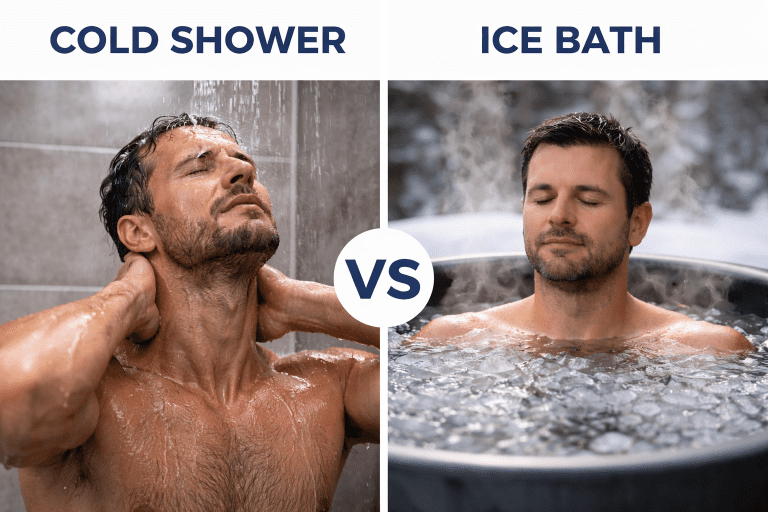
- Cold Plunge vs. Cold Shower: Which Should Beginners Start With?
- Comparison Table
- Helpful Gear for Beginners
- FAQ
- Final Verdict
Is Cold Plunging Safe for Beginners?
When cold water hits your skin, your body goes into immediate survival mode. Blood vessels constrict. Heart rate spikes. Your brain floods with norepinephrine — a stress hormone that also happens to improve focus and mood.
That initial gasp reflex is real and powerful. It’s the body’s automatic response to sudden temperature shock. For beginners, this is exactly why controlled breathing before and during the plunge matters so much.
What cold plunging actually does to your body
Over repeated sessions, your nervous system adapts. The shock response softens. Circulation improves. Many regular plungers report better sleep, faster muscle recovery, and a noticeable lift in mental clarity.
The physiological chain reaction is well-documented. Cold exposure triggers the release of anti-inflammatory compounds, activates brown fat metabolism, and trains your vagus nerve — the nerve that governs your body’s calm-down response.
Cold plunging safe for beginners is a question worth taking seriously before you ever step near a tub of ice water. The short answer is yes — for most healthy adults, it’s safe. The longer answer involves knowing your body, starting slow, and not skipping the basics.This adaptation process is exactly what makes is cold plunging safe for beginners when introduced at the right pace.
Who should not cold plunge without medical clearance?
Anyone with a history of heart disease, uncontrolled high blood pressure, Raynaud’s syndrome, or peripheral artery disease should speak to a doctor first. Cold water causes an immediate cardiovascular spike. For a healthy heart, that’s manageable. For a compromised one, it’s a real risk.
Pregnant women, people with active infections, and anyone recovering from surgery should also hold off until cleared by a healthcare provider.
For everyone else — healthy adults without the above conditions — the research supports cold plunging as a safe practice when done correctly. The key phrase there is done correctly.
What temperature is safe for beginners?
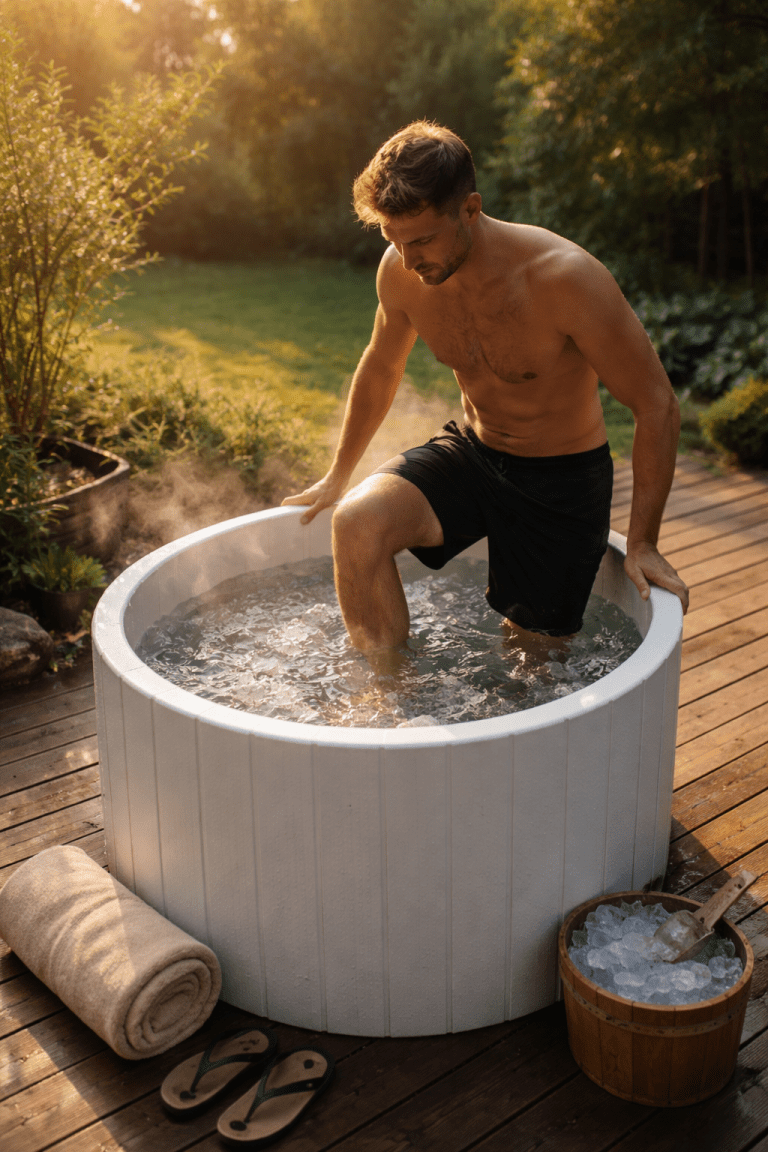
Start between 55°F and 60°F. Full ice-cold plunges (around 40°F) are for experienced plungers who have built tolerance over weeks or months. Beginners who jump straight to ice-cold risk hyperventilation, cold shock, and even loss of consciousness in extreme cases.
According to the CDC NIOSH, immersion hypothermia and cold stress can develop faster than most people expect — especially in water below 60°F when the body hasn’t been conditioned. Knowing those warning signs before you start is smart preparation.
What Does a Cold Plunge Actually Cost?
Knowing whether cold plunging is safe for beginners helps you decide how much to invest upfront — because you don’t need to spend thousands to start safely.
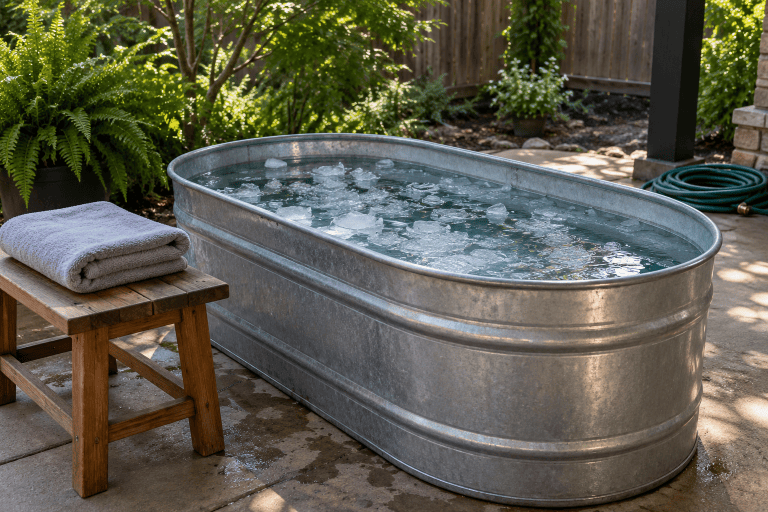
DIY options are the most beginner-friendly entry point. A chest freezer converted into a cold plunge tub runs $300–$600 total. Inflatable cold plunge tubs sit in the $100–$400 range. Neither requires electrical work beyond a standard outlet in most cases.
Purpose-built cold plunge tubs with chillers are a different story. Entry-level models with basic filtration start around $1,500. Mid-range units with proper chillers and filtration run $3,000–$6,000. Premium setups — think polished steel, precise temperature control, ozone sanitation — climb to $10,000 and beyond.
For a beginner, the honest advice is this: don’t spend premium money until you know you’ll actually stick with it. A $150 inflatable tub with a bag of ice will tell you everything you need to know about whether cold plunging is for you.
Ice costs add up faster than most people expect. If you’re using bags of ice rather than a chiller, budget $15–$30 per session depending on ambient temperature. In summer, you’ll burn through more ice to hit target temperature.
Getting Set Up: What Beginners Need to Know
Setup friction for cold plunging is low compared to most home wellness investments. There’s no electrical panel upgrade required for most beginner setups. No permits needed for a portable tub.
That changes if you install a permanent plunge pool or a chiller-equipped unit that requires dedicated electrical supply. Permanent installations may require a building permit depending on your municipality. Check local codes before committing to any fixed structure.
Location matters more than most beginners expect. Outdoors works well in climates where ambient temperature helps maintain cold water without burning through ice. Garages, basements, and covered patios are popular choices. You want drainage nearby — emptying and refilling a tub every few days is far easier with a floor drain or garden proximity.Understanding that is cold plunging safe for beginners depends partly on setup — a stable, drainable tub in a safe location removes most of the practical risk.
Never plunge alone as a beginner. This is the single most important safety rule. The cold shock response can cause disorientation, hyperventilation, or in rare cases, fainting. Having someone present for your first several sessions is a non-negotiable safety baseline.
Keeping Your Cold Plunge Clean
Keeping your setup clean is part of making cold plunging safe for beginners long-term. Stagnant cold water grows bacteria. Without filtration or chemical treatment, a plunge tub can become a hygiene problem within days.
For ice-fill setups: drain and refill every 2–3 days. Wipe down the interior with a diluted hydrogen peroxide solution between fills. Don’t let water sit for more than 3 days without treatment.
For chiller-equipped tubs: follow manufacturer guidance on sanitization. Most systems use bromine or a small amount of chlorine. Test strips should be used weekly. pH should stay between 7.2 and 7.8. Sanitizer levels matter — cold water doesn’t kill bacteria the way high heat does.
Filters need rinsing every 1–2 weeks depending on how often you plunge. Replace cartridges according to the manufacturer’s schedule.
Shower before every plunge. Body oils, sunscreen, and sweat degrade water quality fast. This is basic hygiene that extends clean water life significantly.Clean water is a non-negotiable part of making is cold plunging safe for beginners a consistent reality rather than just a starting intention.
Pros and Cons for First-Timers
The honest pros and cons of cold plunging safe for beginners come down to method, duration, and health status.
Pros
- Rapid reduction in muscle soreness post-exercise
- Mood and focus improvement through norepinephrine release
- Improved circulation over time with regular sessions
- Low barrier to entry — no major equipment required to start
- Mental resilience training — controlled discomfort builds grit
- Sleep quality improvement reported by many regular plungers
Cons
- Cold shock response is genuinely uncomfortable at first
- Risk of hyperventilation if breathing isn’t controlled
- Ice costs add up quickly without a chiller
- Not safe for people with certain cardiovascular conditions without medical clearance
- Easy to overdo it — beginners often stay in too long chasing results
Cold Plunge vs. Cold Shower: Which Should Beginners Start With?
This is one of the most common questions beginners ask — and the answer depends on your goals and your starting point.
Cold showers are the lowest-friction entry point. No equipment needed. No safety risk from immersion. The physiological response is real but gentler than full-body immersion. For someone brand new to cold exposure, two weeks of cold showers builds baseline tolerance before stepping into a tub.
Cold plunges deliver faster, more intense physiological response. Full immersion activates more of the body’s cold shock mechanisms. Recovery benefits are stronger. Mental training is more intense. But so is the initial discomfort.
The honest comparison: cold showers are training wheels. Cold plunges are the real thing. Neither is wrong — they serve different stages of the same practice.That progression answers is cold plunging safe for beginners more reliably than jumping straight to full immersion on day one.That step-by-step progression is the most reliable method for confirming is cold plunging safe for beginners before committing to full immersion.
If you’re brand new and uncertain, start with cold showers. If you’re committed and want results faster, work up to a cold plunge within 2–3 weeks of consistent cold exposure practice.
The evidence is clear — is cold plunging safe for beginners comes down to temperature, time, and not going it alone.
Comparison Table
| Feature | Cold Shower | DIY Ice Tub | Chiller Plunge Tub |
|---|---|---|---|
| Upfront Cost | $0 | $100–$600 | $1,500–$10,000+ |
| Cold Shock Intensity | Low–Moderate | High | High (controllable) |
| Temperature Control | None | Manual | Precise |
| Beginner Friendly | Very | Moderate | Moderate–High |
| Maintenance | None | Low | Medium |
| Best For | Starting out | Committed beginners | Serious plungers |
![cold plunging safe for beginners beginner setup guide]](https://sunriseandvitalize.com/wp-content/uploads/2026/04/000649f0-bd41-4f14-863a-0742d7f68a72-1024x683.png)
Helpful Gear for Beginners
Cold Plunge Thermometer A reliable thermometer is the first thing every beginner needs. You cannot manage safe temperatures by feel alone. Drop one in before every session and hit your target range before getting in.
Neoprene Gloves Hands lose heat fastest during cold immersion. For beginners, protecting extremities lets you focus on breathing control rather than fighting extremity pain. Helps extend session time safely while your tolerance builds.
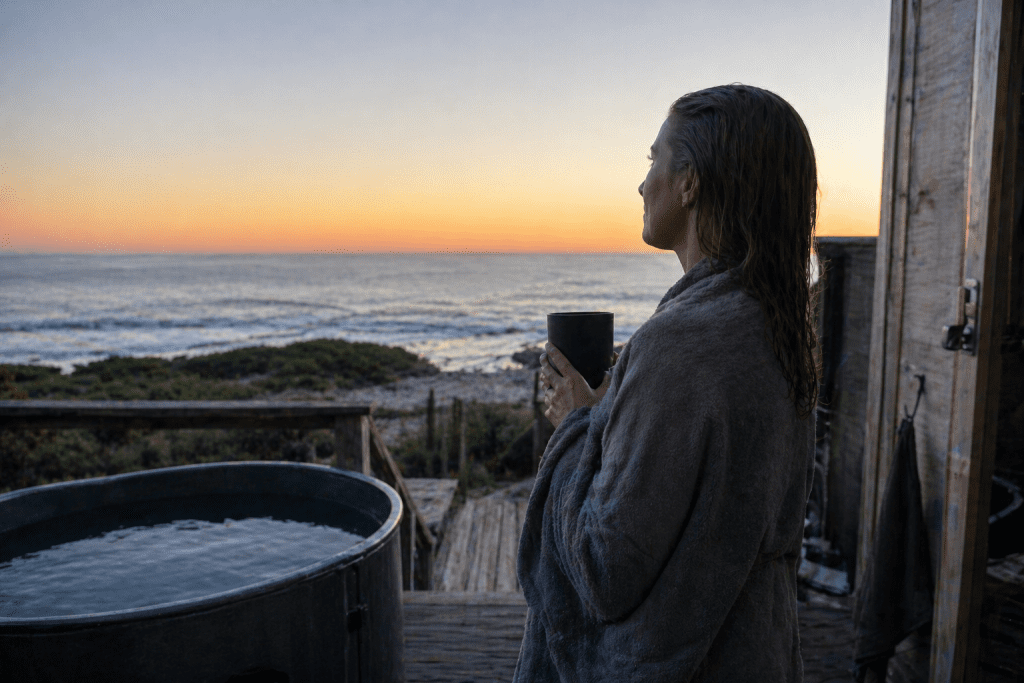
Microfiber Changing Robe Getting warm fast after a plunge matters. A full-length changing robe wraps you immediately post-session and keeps body heat in while you recover. Much faster than a standard towe
FAQ
Is cold plunging safe for beginners with no prior cold exposure?
Cold plunging safe for beginners means starting at temperatures your body can actually adapt to. For someone with zero cold exposure history, 55–60°F water for 60–90 seconds is a safe starting point. Build from there. Never begin at full ice temperature. Control your breathing before you submerge and have someone present for the first several sessions.
How long should a beginner stay in a cold plunge?
Start at 60–90 seconds and build toward 2–3 minutes over your first few weeks. Most of the physiological benefit activates within the first two minutes of immersion. Staying in longer as a beginner doesn’t multiply benefits — it multiplies risk. If you start shivering uncontrollably or feel confused, exit immediately.
Can cold plunging hurt you?
Yes, if done incorrectly. Cold shock can trigger hyperventilation, cardiac stress, or loss of consciousness in extreme cases. People with heart conditions, high blood pressure, or Raynaud’s syndrome face higher risk. Beginners should never plunge alone, always control breathing, and work up temperature tolerance gradually.
The simple rule: Start warmer than you think you need to. Stay shorter than you want to. Build tolerance before you chase intensity.
Summary Snapshot
- Cold plunging is safe for most healthy beginners when done correctly
- Start at 55–60°F, not full ice temperature
- Keep first sessions to 60–90 seconds
- Never plunge alone
- People with cardiovascular conditions need medical clearance first
- Build a 2-week cold shower baseline if you’ve never done cold exposure
- Clean your tub every 2–3 days for safe, sanitary sessions
- Thermometer, neoprene gloves, and a dry robe make the experience dramatically better
Final Verdict
Cold plunging is one of the more accessible wellness practices you can start at home. It doesn’t require expensive equipment, complex installation, or a gym membership. What it does require is respect for what cold water actually does to your body.
For healthy adults willing to start gradually, cold plunging safe for beginners is absolutely achievable. Begin at moderate cold, keep sessions short, never go it alone, and build from there. The benefits — better recovery, sharper focus, improved mood — are real. But they come through consistency and patience, not by throwing yourself into ice water on day one.
The beginners who stick with cold plunging are the ones who start smart. Not the ones who go hardest on day one.Every beginner who asks is cold plunging safe for beginners deserves a straight answer — yes, with the right temperature, short sessions, and someone nearby.
Ready to find the right cold plunge setup for your home?
You might also find these helpful:
- Ice Plunge Benefits — What Happens to Your Body?— dive deeper into the science behind what cold water does long-term
- Is Steam Room Good for Recovery? — if you’re exploring contrast therapy alongside cold plunging

![blood pressure and cold plunges]](https://sunriseandvitalize.com/wp-content/uploads/2026/05/vidar-nordli-mathisen-0fN21zv8yYo-unsplash-768x448.jpg)