Do Indoor Saunas Increase Home Value?
Do indoor saunas increase home value — or are you just building something you personally love? That’s the question a lot of homeowners sit with before pulling the trigger on a sauna installation.
And honestly, both outcomes are valid. But if you’re renovating with resale in mind, you want numbers, not vibes.
Whether do indoor saunas increase home value comes down to three factors: market, installation quality, and placement.
Quick heads up: some links in this post are affiliate links. If you buy through them, we may earn a small commission at no extra cost to you. Our recommendations are based on research, product information, and relevance to the topic.
Quick Snapshot
- Indoor saunas can add value, but it’s market and execution dependent
- Midrange installs ($3,000–$8,000) rarely return dollar-for-dollar at resale
- High-end, well-integrated saunas in wellness-forward markets perform better
- Buyers in certain demographics actively seek home saunas as a feature
- Poor installation or wrong placement can actually hurt perceived value
- Permits and professional finish matter more than most people expect
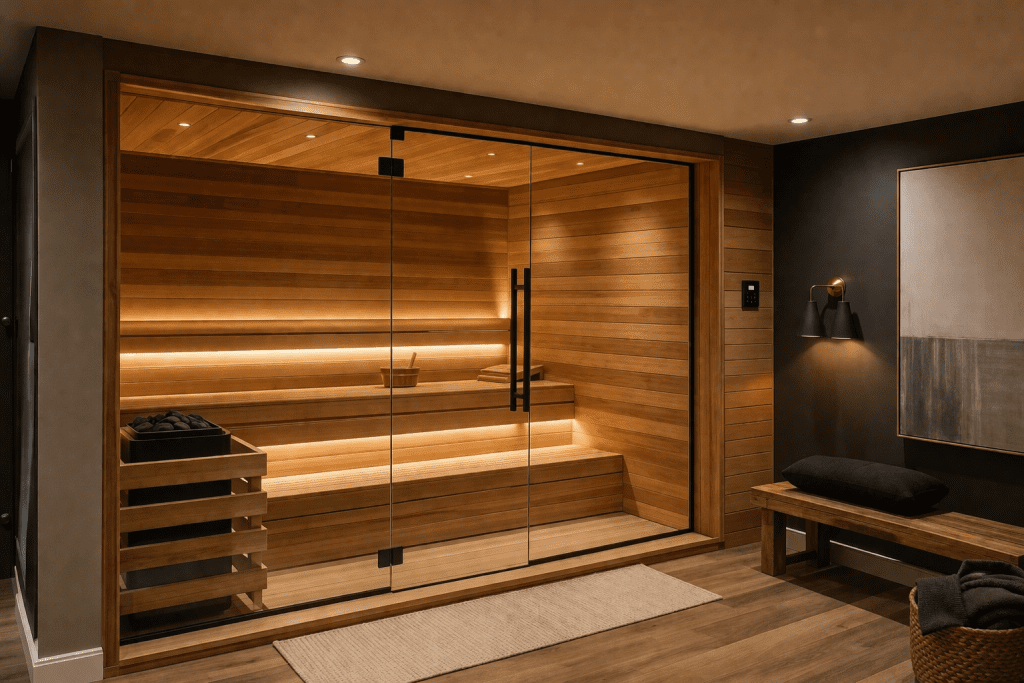
Table of Contents
- What “Home Value” Actually Means for Saunas
- Do Indoor Saunas Increase Home Value: The Real Numbers
- What It Costs to Install an Indoor Sauna
- Installation Friction: What Can Go Wrong
- Maintenance and Ongoing Costs
- Pros and Cons
- How Indoor Saunas Compare to Other Home Upgrades
- Comparison Table
- Helpful Gear
- FAQ
- The Simple Rule
- Final Verdict
Do Indoor Saunas Increase Home Value: The Real Numbers
Home value isn’t one thing. It’s a combination of appraised value, buyer appeal, and days-on-market behavior. A sauna can influence all three — but not always equally.
Appraisers rarely assign a fixed dollar figure to a sauna the way they do for an extra bedroom or a finished basement. Instead, it often gets folded into the general “finished space” category, which means you may not see a direct line between what you spent and what shows up in an appraisal.
What “Home Value” Actually Means for Saunas
Buyer appeal is where saunas can punch above their weight. In the right market — think colder climates, health-conscious neighborhoods, luxury price points — a well-installed sauna can be a genuine differentiator.
Do Indoor Saunas Increase Home Value: The Real Numbers
Do indoor saunas increase home value in a meaningful way, or is that just wishful thinking from people who love their morning sweat sessions? The honest answer is somewhere in between.
There isn’t a reliable national ROI percentage for indoor saunas. Unlike common projects such as kitchen or bathroom renovations, saunas aren’t usually given their own standard resale-value figure. That means the financial return depends heavily on the property, local buyer demand, installation quality, and how naturally the sauna fits into the home.
Location can still influence buyer appeal. A sauna may be more attractive in markets where home wellness features are already familiar, but that doesn’t guarantee a higher resale value. Local buyer demand, the home’s price point, and the quality of the installation matter more than assuming a sauna will perform well simply because of the climate.
Saunas may also have lifestyle appeal beyond resale value. The Cleveland Clinic discusses potential health benefits associated with sauna use, including effects on cardiovascular health and relaxation. For some buyers who already value sauna use, having one at home may therefore be an attractive extra — but that shouldn’t be confused with a guaranteed increase in property value.
Higher-end homes may have more room for dedicated wellness features such as saunas, particularly when they’re professionally installed and integrated into the overall design. In that setting, a sauna can contribute to buyer appeal, but its effect on the final sale price will still depend on the individual property and local market.
What It Costs to Install an Indoor Sauna
The cost range is wide. That’s the first thing to know.
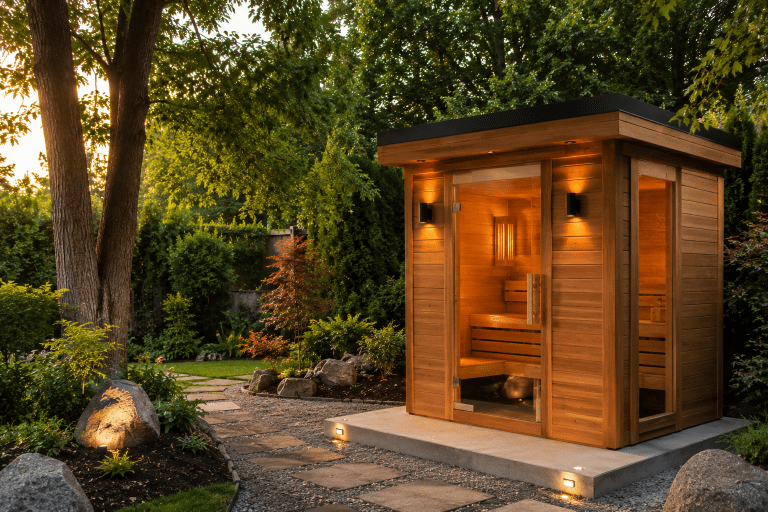
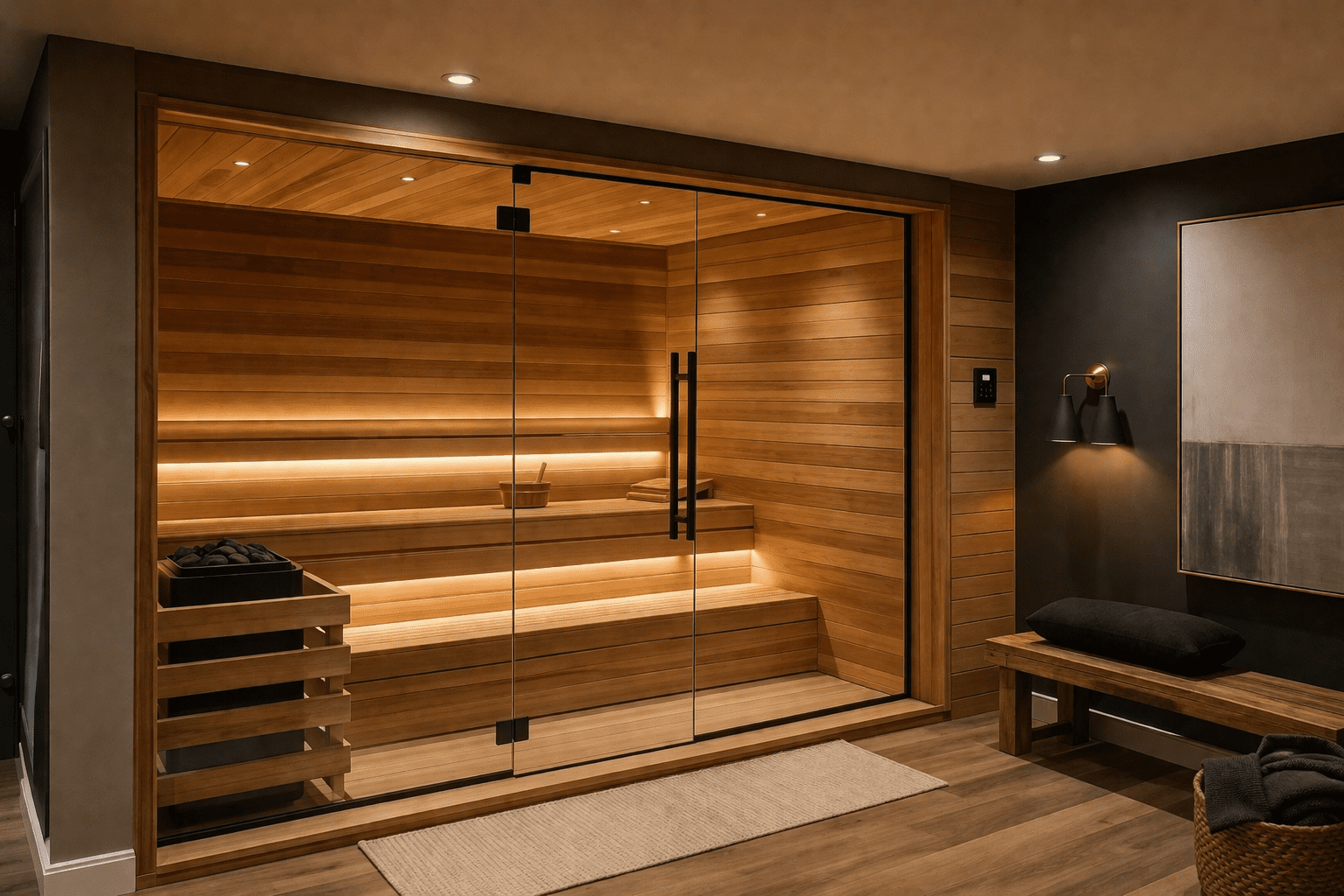
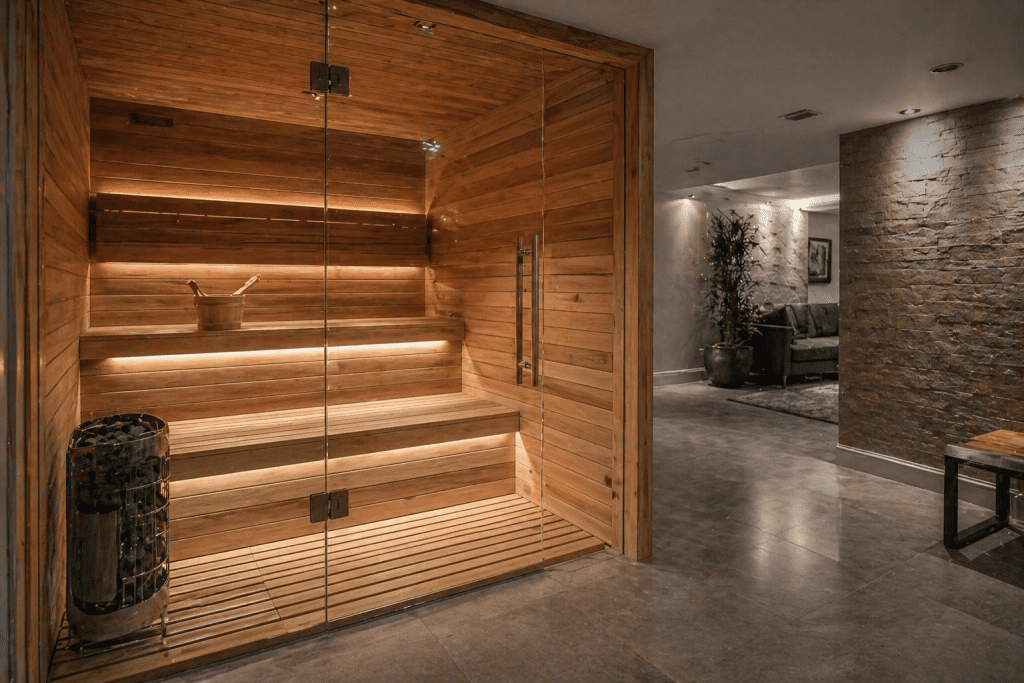
A prefab indoor barrel or cabin sauna kit you install yourself can run $1,500 to $4,000. A mid-range professionally installed sauna — proper framing, cedar lining, quality heater — typically lands between $4,000 and $8,000. A custom built-in with glass panels, integrated lighting, and high-end controls can push $15,000 or more.
Material choice matters. Cedar is the standard for a reason — it handles heat cycling without warping and resists mold. Hemlock is a slightly more affordable option with good performance. Cheaply made kits with thin walls and basic heaters look fine at first but age poorly, which can actually reduce buyer confidence.
If you’re building for resale, mid-range is usually the sweet spot. You’re not overcapitalizing, but the finish quality reads as intentional and maintained.
Understanding whether do indoor saunas increase home value starts with knowing what quality actually costs — cutting corners here is where most ROI gets lost.
Installation Friction: What Can Go Wrong
Whether do indoor saunas increase home value depends partly on how well the install was done — and this is where a lot of DIY projects stumble.
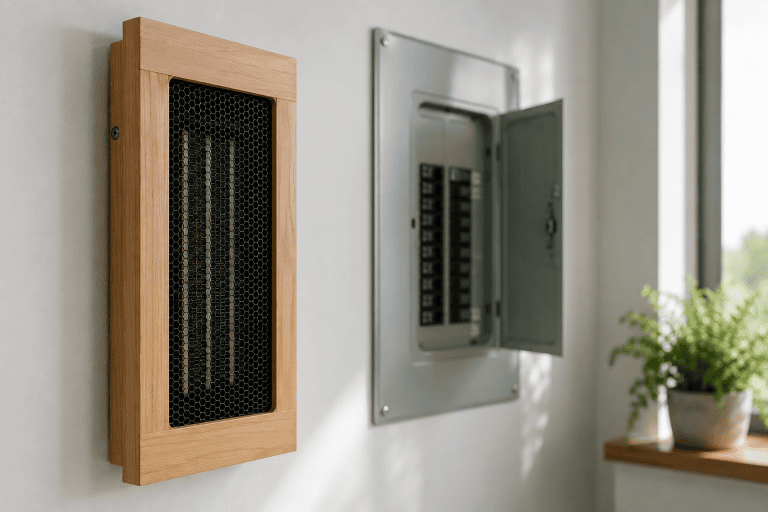
Indoor saunas typically need a dedicated electrical circuit. Many traditional electric sauna heaters run on 240V, with the exact circuit size depending on the heater’s power requirements. This isn’t wiring to guess at — sauna manufacturer Harvia states that its heaters should be connected to the electrical network by an authorized professional electrician. We break down Do Sauna Heaters Require 240V Wiring? in more detail if you’re weighing whether to call an electrician.
Placement matters too. A sauna crammed into an awkward corner of a utility room, sharing walls with HVAC equipment, reads as an afterthought. A sauna built into a basement wellness room or adjacent to a primary bathroom reads as intentional design. If you’re considering a garage instead, Can You Put a Sauna in a Garage? Everything You Need to Know comes with its own placement trade-offs.
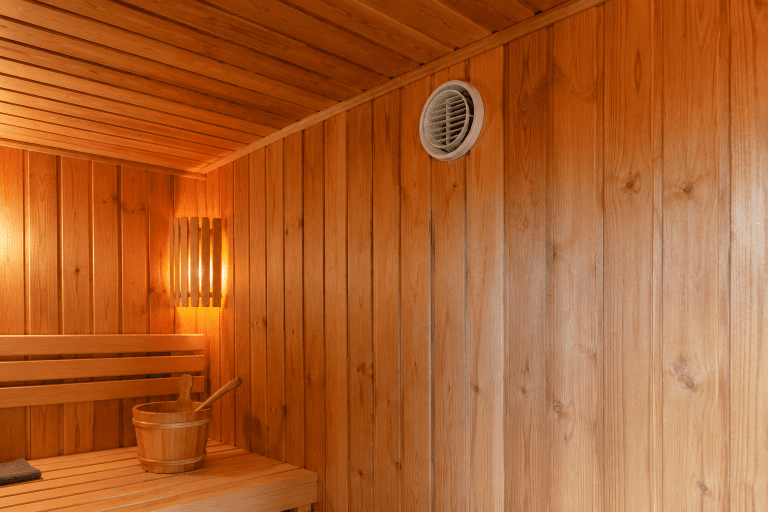
Vapor management is often overlooked. Steam from a sauna session needs somewhere to go. Without proper vapor barriers and ventilation, moisture migrates into surrounding walls, causing mold problems that can undo all the value you thought you were building. Getting Ventilation for Indoor Saunas: The Honest Guide Most Owners Skip right from the start avoids this entirely.
Permit requirements vary by location, but electrical work is one of the areas where permits and inspections may be required. Nolo has a useful overview of when home-improvement permits can come into play. Checking locally before work starts can save a lot of aggravation later.
Maintenance and Ongoing Costs
Saunas are low-maintenance compared to hot tubs, but they’re not zero maintenance.
The interior wood needs occasional cleaning with a soft brush or sauna-specific cleaner. Sweat and body oils accumulate on benches, and if left unaddressed, they create odors and staining that are hard to reverse. Sauna bench covers or towels are a simple way to help keep benches cleaner between sessions.
Sauna heaters can last for years when they’re correctly installed and maintained, but their lifespan varies with the heater, frequency of use, and operating conditions. In traditional sauna heaters, the stones should also be inspected periodically because repeated heating and cooling can cause them to crack or deteriorate. We cover Sauna Heater Maintenance: Essential Checks Owners Must Do if you want the full maintenance checklist.
Electricity is the main ongoing operating cost for an electric sauna. What you’ll actually spend depends on the heater’s power rating, how long it takes to heat the sauna, session length, frequency of use, and your local electricity rate. For a more detailed breakdown, see How Much Does It Cost to Run an Electric Sauna Heater?, where we’ve covered the numbers separately.
If you’re still deciding where a sauna would work best, our indoor vs outdoor saunas comparison covers the practical differences between the two setups.
Pros and Cons
The honest answer to do indoor saunas increase home value is: it depends on the market and the execution. Here’s where the feature earns its keep, and where it doesn’t.
Pros
- Strong appeal to wellness-focused buyers, especially in cold-weather markets
- Differentiates your listing in a competitive price bracket
- Can support a higher listing price even if appraised value doesn’t fully reflect the cost
- Personal health benefit during ownership is real and well-documented
- Well-integrated sauna signals quality renovation throughout the home
Cons
- ROI is rarely dollar-for-dollar, and sauna-specific resale returns vary considerably by property and market.
- Wrong market or wrong placement can make the feature feel like a liability
- Unpermitted or poorly finished installs can delay or complicate a sale
- Ongoing electricity costs and maintenance require attention
- Not universally appealing — some buyers would prefer a gym or office space instead
How Indoor Saunas Compare to Other Home Upgrades
It helps to put the sauna in context alongside other popular renovation investments.
Compared with more conventional renovations, an indoor sauna is a more specialised upgrade. Kitchens, bathrooms and finished living spaces generally appeal to a broader range of buyers because they’re part of everyday use, while a sauna’s value depends more heavily on the individual buyer.
That doesn’t make a sauna a poor investment. A professionally finished sauna can make a home more distinctive and may strengthen the appeal of a dedicated wellness space. But if resale return is the main objective, it makes sense to treat the sauna as a lifestyle feature rather than assuming it will recover a predictable percentage of its installation cost.
Comparison Table
| Feature | Indoor Sauna | Pool | Kitchen Remodel | Bathroom Upgrade |
|---|---|---|---|---|
| Resale return | No reliable fixed percentage | Highly property-dependent | Generally broader resale appeal | Generally broader resale appeal |
| Buyer appeal | More specialised | Broad but can be polarising | Broad | Broad |
| Ongoing maintenance | Low–moderate | High | Low | Low |
| Market dependency | High | Moderate–high | Lower | Lower |
Helpful Gear
If you’re setting up or upgrading an indoor sauna, these three practical additions can make regular sauna use more comfortable.
Sauna thermometer and hygrometer combo — This dual-display thermometer hangs inside the cabin and gives you a real-time read on conditions so every session is dialed in.
Cedar sauna backrest — A simple addition that can make seated sauna sessions more comfortable by providing support between your back and the sauna wall.
Sauna bucket and ladle set— Classic Finnish tradition, but also practical for controlling steam output and adding essential oils.
FAQ
Does a sauna add value to a home for appraisal purposes? Appraisers don’t typically assign a fixed dollar value to a sauna the way they do for finished square footage or added bedrooms. The sauna is usually folded into overall finish quality and condition. That said, in luxury markets, a high-end sauna installation can influence comparable selection and help justify a higher listing price. The bigger impact tends to show up in buyer demand and days-on-market rather than the official appraisal figure.
What type of indoor sauna is best for resale value? Built-in cedar saunas with professional electrical installs and proper ventilation tend to perform best at resale. Prefab kits can look appealing at first, but thin walls and basic heaters show their age faster. Infrared saunas are increasingly popular, but traditional Finnish-style saunas still carry more recognition with a broader buyer pool. Whatever type you install, permits and clean integration into the space matter more than the brand.
Does an indoor sauna hurt resale if buyers don’t want it? It can, but the risk is relatively low if the sauna is well-placed and well-finished. A sauna that takes over a room buyers would have preferred as an office or gym can generate objections. If it’s built into a dedicated wellness space or basement, most buyers treat it as a bonus feature rather than a problem — even if they don’t personally use saunas.
The Simple Rule
If you’re building a sauna for yourself and hoping to recover some cost at resale, build it well and pull the permits. If you’re building purely for ROI, put the money in the kitchen or bathrooms instead.
Summary Snapshot
- Do indoor saunas increase home value? They can, but there’s no reliable fixed percentage you should expect to recover at resale.
- Luxury and cold-climate markets respond best
- Permit compliance and professional installation are non-negotiable for clean resale
- Placement and integration into the home’s overall design matter as much as the sauna itself
- Personal health and lifestyle value during ownership is a legitimate part of the equation
Final Verdict
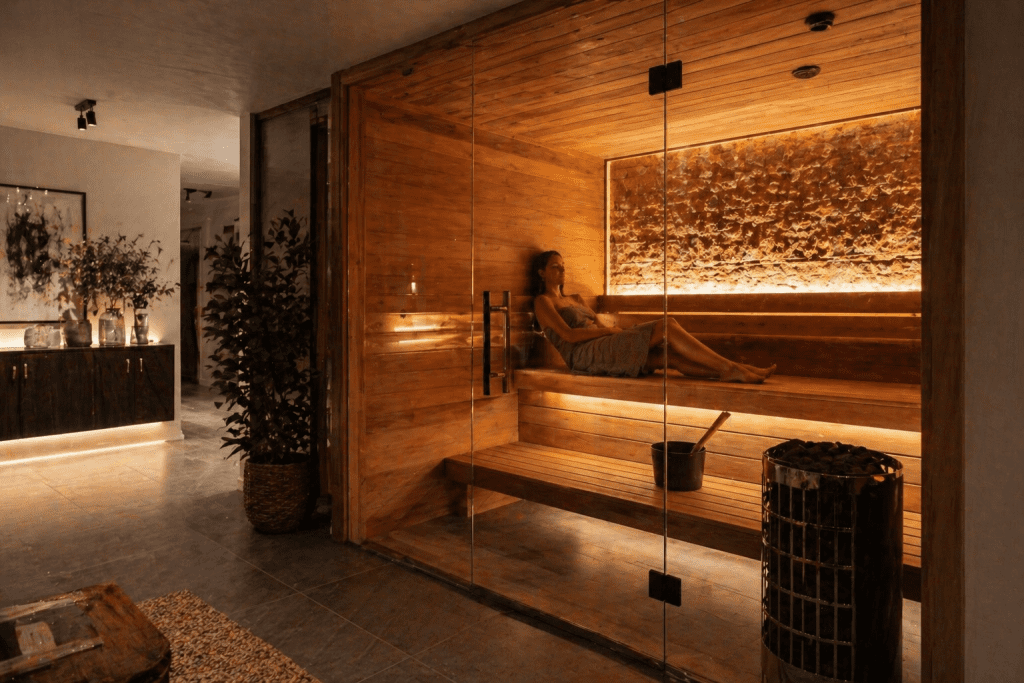
So, do indoor saunas increase home value — and is it worth chasing that outcome? The data says yes, conditionally. You’re unlikely to get a 1:1 return, but a well-built, permitted, thoughtfully placed indoor sauna can absolutely move the needle on buyer interest and listing price in the right market.
The mistake most people make is treating a sauna like a kitchen — assuming every dollar spent comes back plus more. It doesn’t work that way. For buyers who already value home wellness features, a well-designed sauna can make a property more appealing and memorable.
The honest answer to do indoor saunas increase home value is conditional — right market, right build, right price point
If you’re in a colder market, at a price point where lifestyle features matter, and you’re building with real materials and proper permits — a sauna is a smart move. If none of those conditions apply, build it because you want it. That’s a perfectly good reason too.
You Might Also Like