Ice Bath Mental Health: The Complete Guide to What the Cold Actually Does to Your Brain
Ice bath mental health benefits are more substantial than most people expect — and the science behind them is finally catching up to what cold water enthusiasts have been saying for years.
It’s one of those things that sounds like wellness bro nonsense until you actually try it. Then suddenly you’re the one telling everyone they need to get in a freezing tub at 6am.
Affiliate disclosure: Some links below go to our storefront or Amazon. If you buy through them, we may earn a small commission at no extra cost to you. We only recommend products we’d actually use.
Quick Snapshot
- Ice baths trigger a significant norepinephrine spike (up to 300%) that directly impacts mood and focus
- Cold immersion activates the vagus nerve, which plays a central role in anxiety regulation
- Regular cold plunges have been linked to reduced depressive symptoms in several small-scale studies
- The mental challenge of getting in the tub itself builds psychological resilience over time
- Benefits are typically felt within minutes and can last several hours
Table of Contents
- What Ice Bath Mental Health Science Actually Shows
- The Real Cost of Cold Plunge Setups
- Getting Started: Installation and Setup Friction
- Maintenance Realities
- Pros and Cons
- Ice Bath vs. Other Cold Therapy Methods
- Comparison Table
- Helpful Gear
- FAQs
- Final Verdict
Ice Bath Mental Health: What the Science Actually Shows
The phrase “cold plunge” has become shorthand for a lot of things — recovery, weight management, longevity hacking. But the mental health angle is arguably where cold water immersion delivers its most immediate and noticeable effects.
Here’s what’s happening physiologically when you lower yourself into cold water:
Norepinephrine surges. Cold exposure triggers a dramatic increase in norepinephrine — a neurotransmitter and hormone directly tied to mood, focus, and energy. According to research reviewed by Healthline, cold water immersion affects the body’s neurochemical responses in ways that closely parallel the mechanisms targeted by certain antidepressant medications.
The vagus nerve activates. Cold water — particularly when it hits your face and neck — stimulates the vagus nerve, which is the body’s primary rest-and-digest pathway. This has a direct dampening effect on the stress response and can reduce the physiological symptoms of anxiety almost immediately.
Cortisol recalibrates. Short, sharp cold exposure seems to train the body to produce cortisol in more appropriate amounts. Rather than a chronic low-level simmer of stress hormones, regular cold plungers often report that their baseline stress response becomes more measured over time.
Endorphins and dopamine. The discomfort of cold immersion triggers the release of endorphins during the session. More interestingly, the relief phase — when you get out and warm up — produces a dopamine response that many users describe as a natural mood high lasting several hours.
The research here isn’t all randomised controlled trials with thousands of participants. But what does exist is genuinely encouraging. Small studies have shown reductions in self-reported depression scores, improvements in sleep quality, and better perceived stress management in people who cold plunge regularly.
What’s also worth noting is the non-chemical mechanism: the act of deliberately choosing discomfort and following through on it every day is, in itself, a form of cognitive training. It’s uncomfortable, it takes willpower, and then it’s over. Do that enough times and the brain starts updating its model of what you can handle.
Cost Reality
Let’s not pretend this is cheap. Cold plunge setups range wildly depending on how serious you want to get.
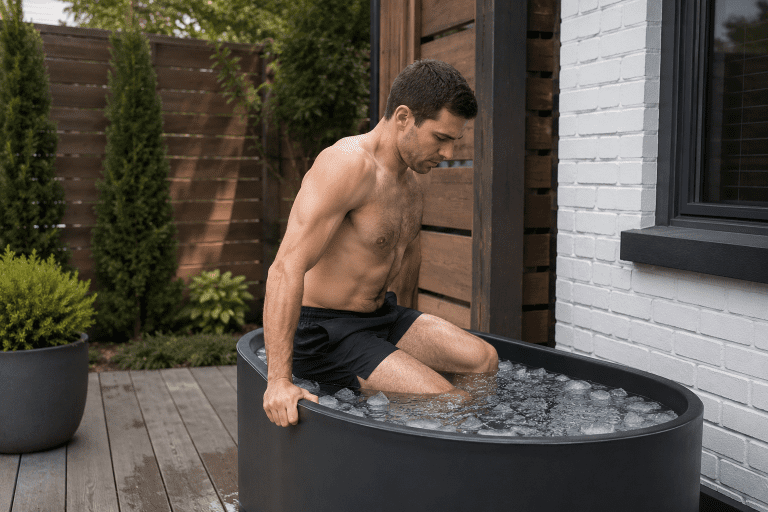
Entry level (DIY/basic): A chest freezer converted to a cold plunge, or a basic barrel-style tub, can be put together for $300–$800. You’re managing temperature manually and doing more maintenance legwork, but it works.
Mid-range cold plunge units: Purpose-built cold plunge tubs with basic insulation and a drain run $1,000–$2,500. These are the ones you see in people’s garages. They’re functional, easier to maintain than DIY setups, and most people at this level are happy with the trade-off.
Premium chiller systems: Once you add active chilling — a unit that keeps water at a set temperature without you adding ice — prices jump to $3,000–$8,000+. Brands like Plunge, Ice Barrel, and Morozko sit in this range.
Ongoing costs: Water treatment products, sanitisers, and occasional filter replacements run roughly $20–$50/month depending on how often you plunge and your water quality.
If mental health is the primary driver, you don’t need to start at the high end. A basic tub with a cold water supply and even ice from a convenience store can produce all the same neurochemical responses as a $6,000 unit. The premium versions just make the habit more sustainable long-term.
Installation Friction
For most setups, this is lower than people expect.
Basic tub or barrel: No installation required. Fill it, add treatment, get in. The only consideration is where it’s going to live — outdoors in a sheltered spot is ideal. You want shade to reduce algae growth if you’re not using a chiller, and you want it close enough to a hose bib that topping it up isn’t a project.
Chiller units: These plug into a standard outlet in most cases (verify before purchasing — a few higher-end chillers require 240V). Placement needs to account for drainage. Most people run a garden hose from the drain to a suitable outlet point. Not complicated, but worth planning before the unit arrives.
Permits: For a freestanding outdoor cold plunge tub, you generally don’t need a building permit. If you’re installing something that involves electrical work beyond a standard outlet, or if you’re integrating it with a deck or structural build, check your local requirements through USA.gov’s home improvement guidance.
Temperature management without a chiller: In colder climates, outside ambient temperatures do most of the work for you from October through March. In warmer states, you’ll need ice or a chiller to keep the water genuinely cold. This is the main logistical challenge for people in hot climates going without a chiller unit.
Maintenance
This is where people often underestimate the commitment — but it’s manageable.
Water quality: Cold water is actually more resistant to bacterial growth than warm water, but it’s not immune. You’ll want to use bromine or a cold-specific sanitiser and test the water every few days. pH balance matters. A basic test strip kit takes about 30 seconds.
Drain frequency: Without a chiller and filter system, most basic setups should be fully drained and refilled every 1–2 weeks. With a filtration system, you can go longer — some people stretch it to monthly.
Biofilm: This is the most common maintenance issue. A slimy film can develop on the interior surfaces if water quality slips. Wipe down the interior when you drain. Don’t let the tub sit uncovered for extended periods.
Chiller unit maintenance: Descaling the chiller system every few months depending on your water hardness. Clean or replace filters as indicated. This is low effort — maybe 20 minutes of work every few months.
The overall maintenance burden is real but not demanding. People who make cold plunging a daily habit tend to work out a rhythm fairly quickly.
Pros and Cons
Pros
- Rapid mood elevation — effects felt within minutes of exiting the tub
- Norepinephrine and dopamine release that can last several hours
- Builds psychological resilience through deliberate discomfort
- Low barrier to entry at the basic level
- No medication, no waiting period, no prescription required
- Adaptogenic effect on the stress response over time
- Complements other wellness practices (sauna pairing is particularly popular)
Cons
- Initial discomfort is genuinely intense — habit formation takes deliberate effort
- Chiller setups carry significant upfront cost
- Regular water maintenance is required
- Not suitable for people with certain cardiovascular conditions without medical clearance
- Cold shock response requires careful acclimation for beginners
- Mental health benefits are still supported by relatively small-scale research
- Easy to overdo in the early weeks — too-long sessions, too-cold temperatures
Ice Bath vs. Other Cold Therapy Methods
If ice bath mental health benefits are your goal, how does the tub compare to alternatives?
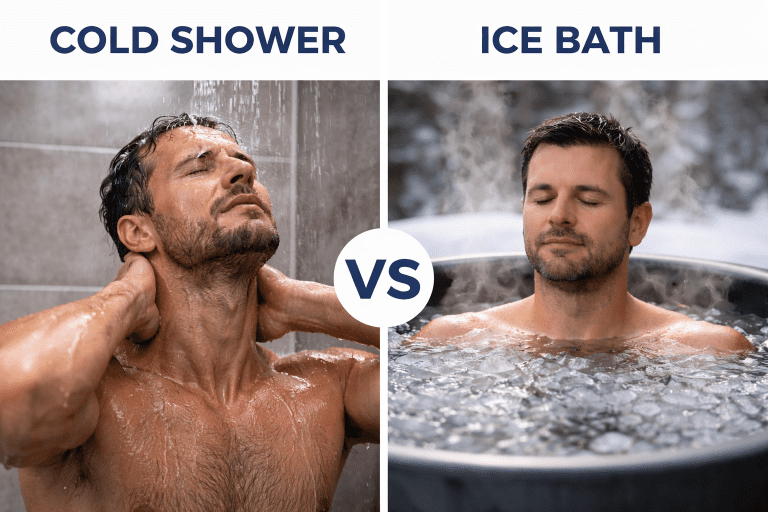
Ice baths vs. cold showers: Cold showers are accessible, free, and do trigger norepinephrine release — but the effect is smaller. Full-body immersion creates a more significant cold shock response and produces more robust neurochemical changes. For daily mental health maintenance, cold showers work. For the more intense reset that people describe from a full plunge, you need immersion.
Ice baths vs. cryotherapy chambers: Cryotherapy uses extremely cold air (around -200°F) for 2–3 minutes rather than cold water. The mental health literature is thinner here, and the cost per session is higher if you’re visiting a cryotherapy clinic rather than owning a unit. Full immersion in cold water also activates the vagus nerve differently than air-based cold — the hydrostatic pressure and the face/neck contact matter.
Ice baths vs. swimming in cold open water: Cold open water swimming has strong anecdotal support for mental health, and a handful of studies back this up. The social element, the connection to nature, and the physical activity component all add variables. For isolated cold immersion effects, a controlled tub lets you be more precise about temperature and timing.
Ice baths vs. contrast therapy (sauna + cold plunge): The combination is widely considered the most powerful approach for mood and recovery. The swing from intense heat to intense cold amplifies both the endorphin response and the overall neurological effect. If you’re building toward a complete setup, pairing a sauna with a cold plunge is worth considering.
Comparison Table
| Method | Cost | Ease of Access | Mental Health Signal | Full Immersion? |
|---|---|---|---|---|
| Ice bath (DIY) | $300–$800 | Moderate | Strong | Yes |
| Ice bath (premium chiller) | $3,000–$8,000+ | High once installed | Strong | Yes |
| Cold shower | $0 | Very High | Moderate | No |
| Cryotherapy (per session) | $40–$100/session | Low (facility required) | Moderate | No |
| Cold open water swim | $0 | Weather dependent | Strong | Yes |
| Contrast therapy (sauna + plunge) | $5,000–$20,000+ | High once installed | Very Strong | Yes |
Helpful Gear
Cold Plunge Thermometer (Digital, waterproof) Knowing your actual water temperature takes the guesswork out of your sessions and prevents you from going too cold too fast.
Bromine Tablets (Cold Water Sanitiser) Chlorine breaks down faster in cold water. Bromine is the standard choice for cold plunge water treatment.
Cold Plunge Timer / Waterproof Stopwatch Tracking time in the tub is important — especially when you’re acclimating and trying to build duration gradually.
FAQs
How quickly do ice bath mental health benefits kick in? Most people notice mood elevation and a sense of mental clarity within 10–20 minutes of exiting the tub. The neurochemical response — particularly the norepinephrine surge and subsequent dopamine release — begins during immersion and peaks during the warming phase immediately after. The acute effects can last 2–4 hours. With regular practice, the baseline mood and resilience benefits accumulate over weeks and months.
How long should you stay in an ice bath for mental health benefits? Two to four minutes is sufficient to trigger the neurochemical response most people are after. Research suggests that 11 minutes of cold water immersion per week — spread across multiple shorter sessions — is an effective target for meaningful benefit. There’s no value in extending sessions beyond 10 minutes, and doing so significantly increases the risk of hypothermia. Shorter, more frequent sessions beat longer, less frequent ones.
Can ice baths help with anxiety and depression? The evidence is promising but not yet definitive. Cold water immersion appears to reduce cortisol over time, activate the vagus nerve (a key pathway in anxiety regulation), and produce norepinephrine responses similar in mechanism to some antidepressant drugs. Several small studies have shown reductions in self-reported depression and anxiety scores. However, ice baths should be viewed as a complementary practice — not a replacement for professional mental health treatment. Anyone dealing with clinical anxiety or depression should discuss cold therapy with their healthcare provider.
The simple rule: Get in cold, stay in for 2–4 minutes, and get out. Do it consistently, and your brain will thank you .For maximum mental health benefits, many cold plunge users combine their sessions with sauna. If you’re building a home contrast therapy setup, our guide to the best outdoor sauna heaters is a good place to start.”
Summary Snapshot
- Ice bath mental health benefits are driven by norepinephrine, dopamine, and vagus nerve activation
- Even basic setups (under $1,000) deliver the same neurochemical response as premium units
- 2–4 minutes per session is the effective minimum; 11 minutes per week is a solid weekly target
- Cold showers work but fall short of full immersion for intensity
- Maintenance is manageable — consistent water chemistry is the main habit to build
- Contrast therapy (cold plunge + sauna) amplifies mental health effects
- Always acclimate gradually and consult a doctor if you have cardiovascular concerns
![ice bath mental health]](https://sunriseandvitalize.com/wp-content/uploads/2026/04/ice-bath_plunge-wooden-bath-tub-on-cliff-but-not-the-edge-like-a-villa-looking-over-the-sunset-2-1024x573.jpg)
Final Verdict
Ice bath mental health research is still young, but the direction of the science is clear — and the subjective experience of regular cold plungers is remarkably consistent. People report better mood, sharper focus, reduced anxiety, and a general sense of resilience that carries into the rest of their day.
The barrier to entry is low. You don’t need a $5,000 chiller system to get started. You need cold water, a container, and the willingness to get in. That willingness, repeated daily, is itself part of what makes it work.
If you’re already building out a wellness setup — or just looking for a high-impact, low-overhead mental health practice — cold plunging is one of the more evidence-adjacent tools available without a prescription.