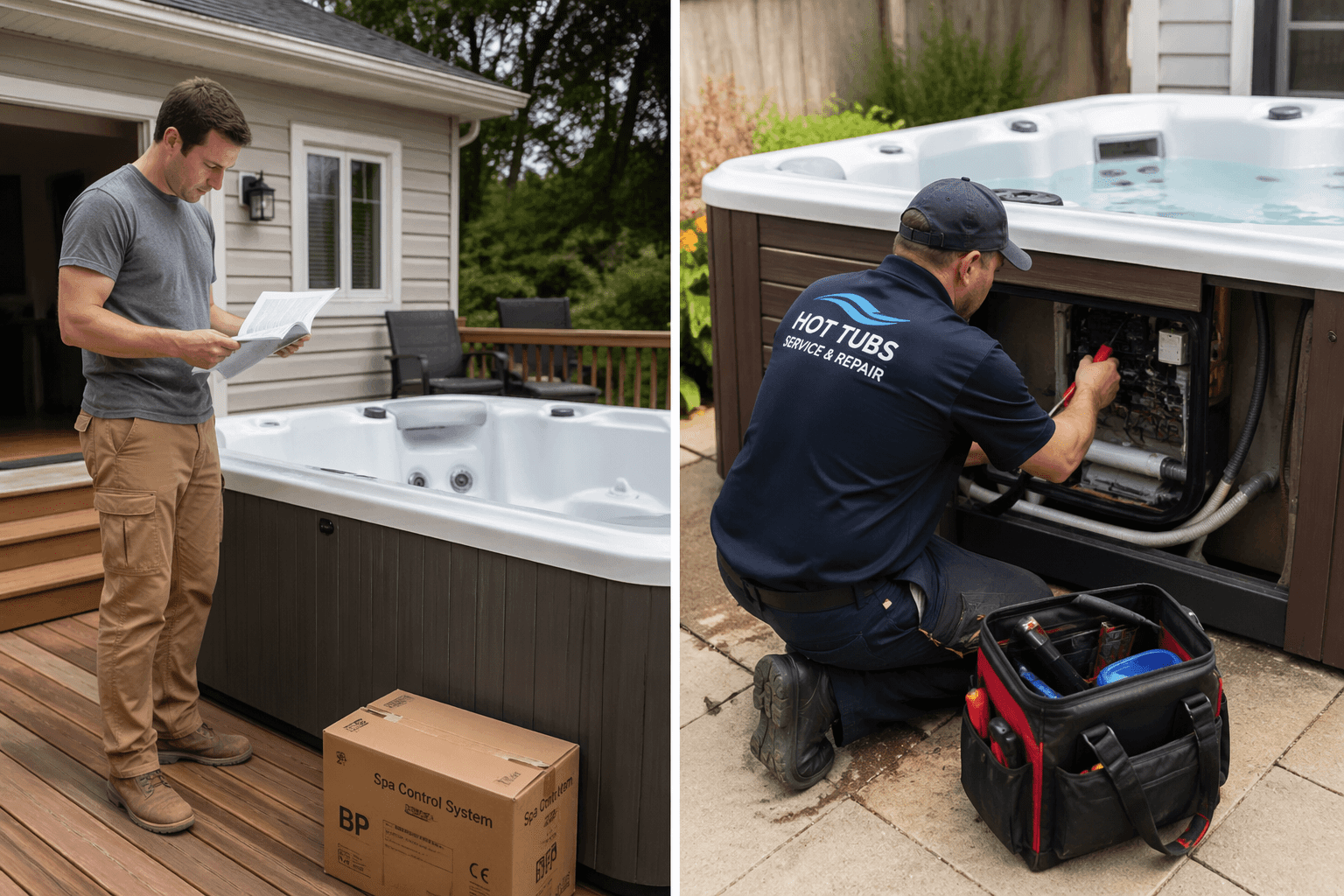
DIY vs Professional Hot Tub Setup: Which One Actually Makes Sense?
DIY vs professional hot tub setup is one of the biggest decisions you’ll face before your first soak. Get it wrong and you’re looking at voided warranties, failed inspections, or a tub that never quite works right.
Most people don’t regret the hot tub itself. They regret the installation choice.
Quick heads up: This post contains affiliate links. If you buy through them, we may earn a small commission at no extra cost to you. We only recommend gear we’d actually use.
Quick Snapshot
- DIY setup can save $500–$2,500 in labor costs upfront
- Professional installation covers electrical, permits, and structural checks
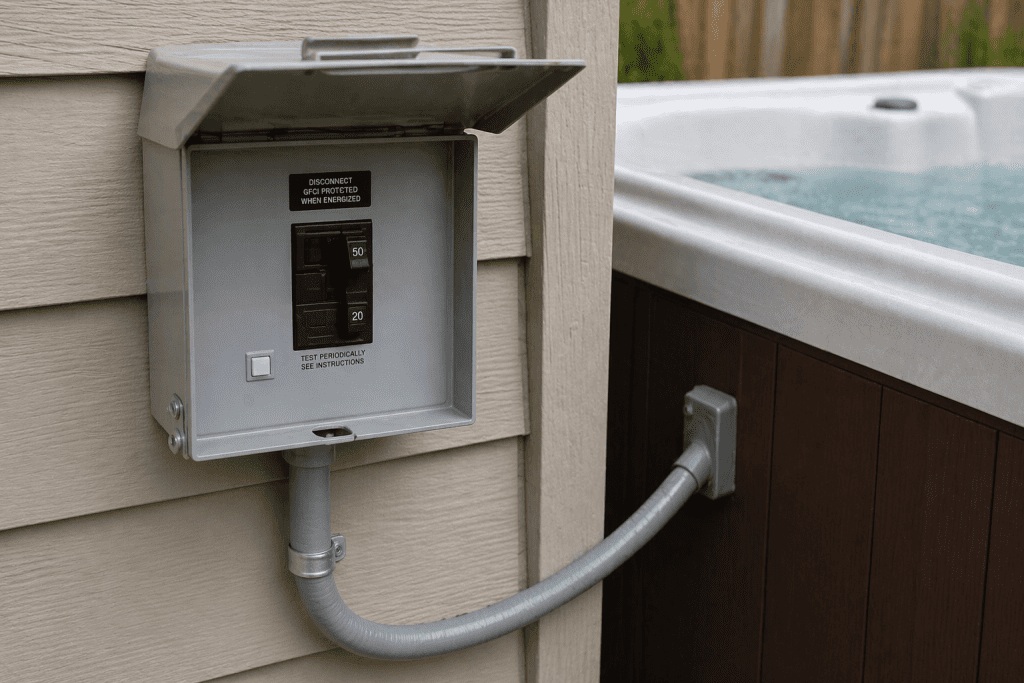
- Most hot tubs require a dedicated 240V circuit — this is not optional
- DIY mistakes commonly void manufacturer warranties
- Permits are legally required in most US states for permanent tub installations
- The right choice depends on your tub type, site, and electrical knowledge
Table of Contents
- What DIY vs Professional Hot Tub Setup Really Means
- The True Cost of Each Approach
- Installation Friction — What Gets Complicated Fast
- Maintenance After Installation
- Pros and Cons
- How They Compare Side by Side
- Comparison Table
- Helpful Gear
- FAQ
- Final Verdict
What DIY vs Professional Hot Tub Setup Really Means
When people say DIY hot tub setup, they usually mean handling delivery coordination, positioning, electrical hookup, and water fill themselves. Professional installation means hiring licensed contractors — typically an electrician, and sometimes a plumber and structural engineer depending on your site.
The line between the two blurs quickly. Some homeowners handle placement and plumbing but bring in a licensed electrician for the 240V circuit. That hybrid approach is actually more common than either extreme.
Understanding where DIY ends and professional work legally begins is where most people get into trouble.
What does DIY hot tub installation actually involve?
DIY installation covers site preparation, placing the tub on a stable surface, connecting the water supply, and wiring the electrical supply. The electrical component is where most DIYers hit a legal and safety wall — 240V hookup almost always requires a licensed electrician under US code.
The True Cost of DIY vs Professional Hot Tub Setup
Professional installation typically runs between $800 and $2,500 depending on your location, site complexity, and whether a new circuit needs running. That range covers the electrician, delivery placement, and basic commissioning.
DIY cuts that labor cost, but it adds hidden expenses. Renting a concrete pad form, buying GFCI breakers, picking up the right conduit, and paying for permit applications all chip away at your savings fast.
The real cost comparison for DIY vs professional hot tub setup isn’t just labor vs. no labor. It’s also about what happens when something goes wrong.
One miswired circuit can cause a warranty claim denial. One skipped permit can create problems when you sell the house. These aren’t hypotheticals — they’re the most common complaints in hot tub owner forums.
How much does professional hot tub installation cost?
Professional installation costs range from $800 to $2,500 for most residential setups. Electrical work, permits, and delivery fees are usually separate line items. Complex sites — decks, raised patios, long cable runs — push costs toward the higher end.
Installation Friction — What Gets Complicated Fast
The delivery itself catches many DIYers off guard. Hot tubs weigh between 500 and 900 pounds empty. Getting one through a side gate, over a garden bed, or around a corner without a crane or professional delivery crew is legitimately difficult.
Site preparation matters more than most guides admit. The tub needs a reinforced, level surface that can handle the combined weight of the unit, water, and occupants — often 3,000 to 5,000 pounds total. A standard patio slab may not be enough.
Then comes the electrical side of DIY vs professional hot tub setup. A dedicated 240V, 50-amp GFCI-protected circuit is the baseline requirement for most full-size tubs. Wiring this incorrectly doesn’t just trip a breaker — it creates a genuine electrocution risk near standing water.
Permits add another layer. According to Nolo’s guide on home improvement permits , most permanent hot tub installations require electrical and sometimes structural permits. Skipping them can affect your homeowner’s insurance and home resale value.
Plug-and-play 110V inflatable or soft-sided tubs are the one exception where full DIY is genuinely simple. Everything changes once you’re dealing with hardwired setups.
Maintenance After Installation
Installation quality directly affects long-term maintenance. A tub installed on an unlevel pad puts uneven stress on the shell and cabinet over time. Plumbing connections made too tight — or not tight enough — leak slowly until you spot water damage under the cabinet.
Water chemistry maintenance is the same regardless of who installed the tub. You’re testing and adjusting chlorine or bromine levels, pH, and alkalinity on a weekly schedule. The CDC recommends keeping residential hot tub water at safe disinfectant levels to prevent bacterial growth, particularly Legionella and the bacteria behind hot tub rash.
Professionally installed tubs often come with a commissioning walkthrough. The installer runs you through the chemistry basics, sets the initial levels, and flags anything unusual about your specific setup. That knowledge transfer has real value and isn’t something you get from a YouTube tutorial.
If you enjoy the broader world of heat therapy beyond hot tubs, Steam Room Benefits: What Really Happens to Your Body covers how steam rooms compare for relaxation and respiratory benefits..
Pros and Cons
DIY Hot Tub Setup
Pros:
- Lower upfront labor cost
- More control over timing and placement
- Straightforward for 110V plug-and-play tubs
Cons:
- Electrical errors can void warranty and create safety hazards
- Permits still required in most states — DIY doesn’t exempt you
- Delivery and placement logistics are genuinely hard without professional equipment
- Mistakes are expensive to fix after the fact
Professional Hot Tub Setup
Pros:
- Licensed electricians handle 240V wiring correctly and legally
- Permits pulled and inspected as part of the job
- Structural and site issues caught before they become expensive
- Warranty protection maintained
Cons:
- Higher upfront cost
- Scheduling delays depending on contractor availability
- Some installers upsell accessories you don’t need
How DIY vs Professional Hot Tub Setup Compares Side by Side
The honest answer is that professional installation wins for any hardwired 240V hot tub on a permanent site. The electrical component alone makes this the safer, legally cleaner choice for most homeowners.
DIY makes genuine sense for 110V plug-and-play tubs, for people with verifiable electrical experience, or for those doing a hybrid approach — handling everything except the circuit wiring.
The middle path is underrated. Plenty of hot tub owners handle site prep, pad installation, and plumbing connections themselves, then bring in a licensed electrician just for the circuit. You get cost savings where the risk is low and professional work where it counts.
Comparison Table
| Factor | DIY Setup | Professional Setup |
|---|---|---|
| Upfront labor cost | $0–$300 | $800–$2,500 |
| Electrical safety | Risky without experience | Handled by licensed pro |
| Permit compliance | Often missed | Included in service |
| Warranty protection | Risk of voiding | Typically maintained |
| Timeline | Flexible, self-managed | Contractor scheduling |
| Best for | 110V plug-and-play tubs | All hardwired 240V tubs |
| Hidden cost risk | High | Low |
Helpful Gear
These products are worth having regardless of which installation route you choose.
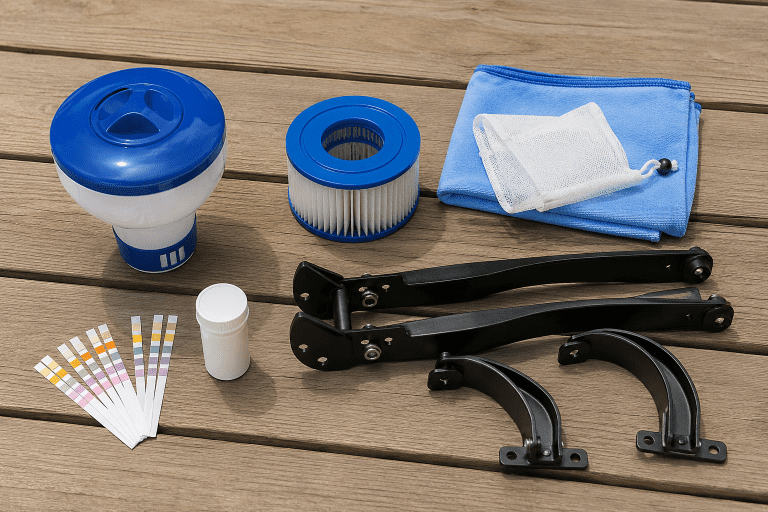
Easyteat 7 wayPool & Spa Strips Whether you went DIY or professional, water testing is your weekly job. Reliable tester strips takes the guesswork out of chemistry adjustments.
GFCI Outlet Tester If you’re doing any part of your setup yourself, this tool tells you immediately whether your outlet is wired correctly. Simple, inexpensive, and genuinely useful.
Hot Tub Cover Lifter Covers are heavier than they look and awkward to manage solo. A mechanical lifter protects both the cover and your back over years of daily use.
FAQ
Can I legally wire a hot tub myself?
In most US states, wiring a 240V dedicated circuit requires a licensed electrician and a permit. Some states allow licensed homeowners to wire their own primary residence, but this varies. Doing it without a permit creates legal and insurance liability that most homeowners aren’t aware of until it becomes a problem.
Does DIY installation void a hot tub warranty?
It can. Many manufacturers require installation by a qualified professional to maintain the warranty on electrical components and the shell. Always read the warranty documentation before choosing your installation method. If DIY voids coverage on a $6,000 tub, the $1,000 you saved in labor costs looks very different.
What’s the easiest hot tub to set up yourself?
Inflatable and soft-sided 110V hot tubs are genuinely DIY-friendly. They plug into a standard household outlet, require no hardwiring, and can usually be set up in an afternoon. They’re a real category, not a consolation prize — and they’re where DIY installation genuinely makes sense.
The simple rule: If your hot tub needs a hardwired 240V circuit, hire a licensed electrician for that part. Everything else is negotiable.
Summary Snapshot
- DIY vs professional hot tub setup comes down to tub type and electrical requirements
- 110V plug-and-play tubs are genuinely DIY-friendly
- 240V hardwired tubs need a licensed electrician for the circuit — full stop
- Permits are legally required in most states regardless of who does the work
- Professional installation costs more upfront but eliminates warranty and compliance risk
- Hybrid approach — DIY site prep, professional electrical — is a smart middle ground
Final Verdict
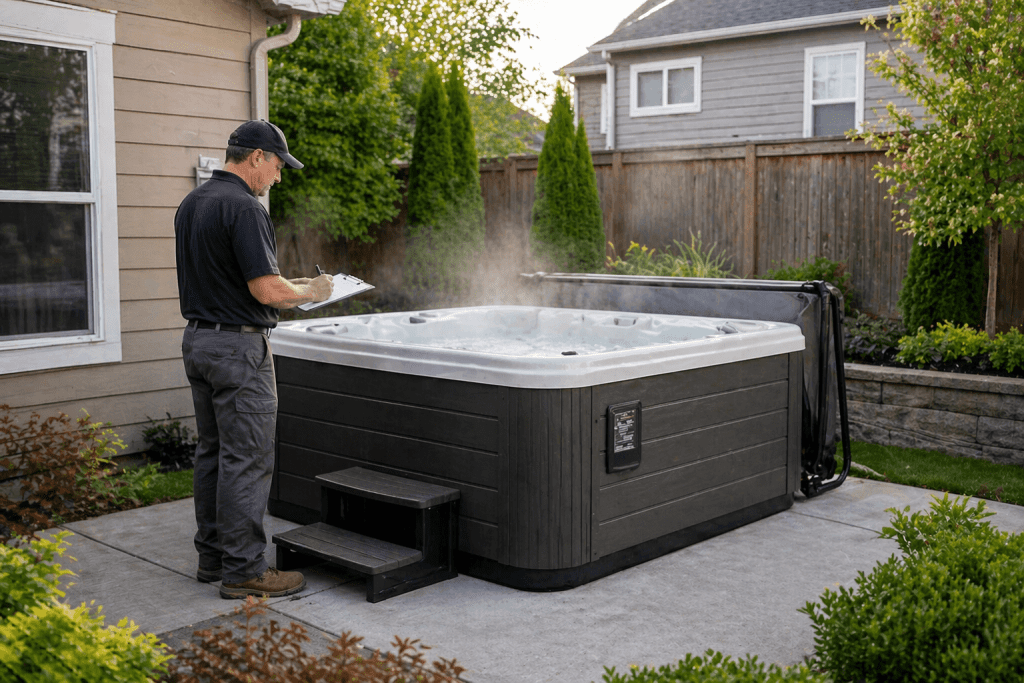
The DIY vs professional hot tub setup debate has a cleaner answer than most people expect. It’s not about skill level or budget alone — it’s about what your specific tub requires.
Plug-and-play 110V tub on a flat concrete pad? Do it yourself, enjoy the savings, and spend the afternoon getting the water chemistry right. Hardwired 240V tub going into a permanent backyard installation? Get a licensed electrician for the circuit, pull the permits, and protect the investment you’re making.
The hybrid approach works well for most homeowners who are handy but realistic about electrical limits. Handle what you can, hire out what carries real risk, and the total cost lands somewhere reasonable.
Hot tubs are a long-term purchase. Getting the installation right is the least interesting part of ownership — which is exactly why it’s worth doing properly.
More From Sunrise & Vitalize
If you found this useful, these posts cover related ground worth reading before or after your install:
For anyone weighing ongoing running costs after installation, our Hot Tub Installation Cost Guide breaks down what year-one ownership actually looks like financially.
If you’re also curious about dry heat options, our Best Sauna Heaters guide covers what powers a home sauna and how heater choice affects your experience and running costs.