Hot Tub Installation Timeline: How Long Does It Really Take?
Hot tub installation timeline is the question nobody thinks to ask until the delivery truck is already booked. You’ve picked your model, cleared a spot in the yard, and now someone asks — so when can we actually get in?
The honest answer is: it depends on more variables than most dealers will tell you upfront.
Quick heads up: Some links in this post are affiliate links. If you buy through them, we may earn a small commission at no extra cost to you. We only recommend gear we’d actually use.
Quick Snapshot
- Full hot tub installation timeline: 2 days to 6+ weeks depending on prep
- Electrical work alone can add 1–3 weeks for scheduling and inspection
- Permits can delay the start date by days or weeks
- Concrete pad curing takes a minimum of 28 days if poured from scratch
- Delivery day itself typically takes 2–4 hours
- Most buyers underestimate the pre-installation phase by a wide margin
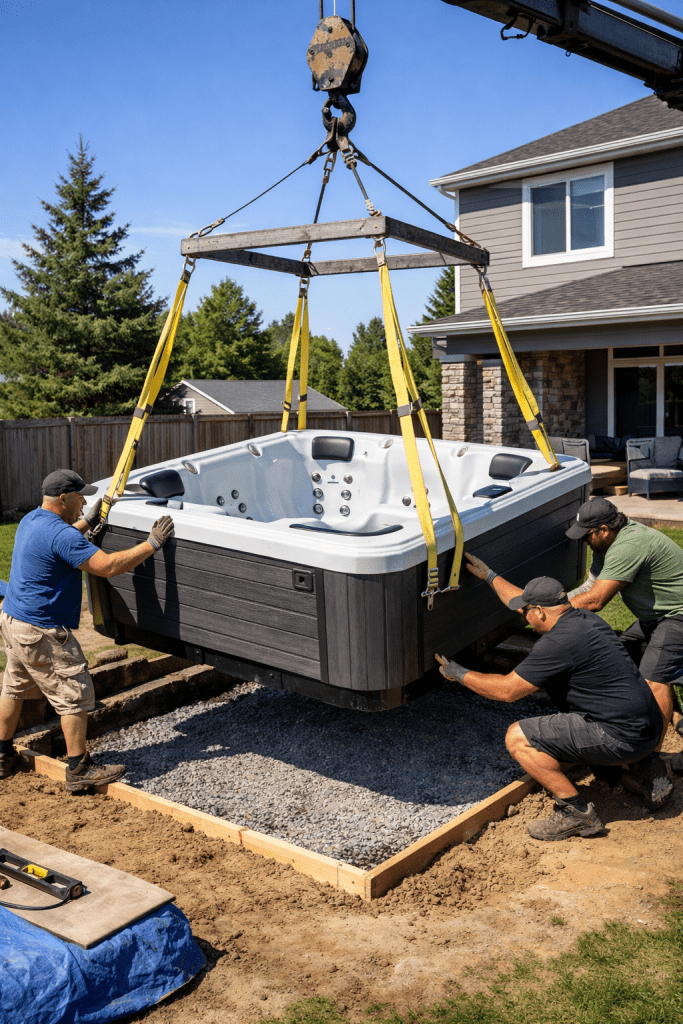
Table of Contents
- What the Hot Tub Installation Timeline Actually Looks Like
- The Real Cost of Getting Your Timeline Wrong
- Installation Friction: What Slows Everything Down
- Maintenance Planning Before You Even Fill It
- Pros and Cons of Different Timeline Approaches
- Comparing Timeline by Hot Tub Type
- Comparison Table
- Helpful Gear for Your Hot Tub Setup
- FAQ
- Final Verdict
What the Hot Tub Installation Timeline Actually Looks Like
The hot tub installation timeline has two phases most people don’t separate: the prep phase and the delivery phase. Delivery day is fast. Prep phase is where weeks disappear.
Here’s what a realistic sequence looks like for a standard in-ground or on-ground installation:
Site assessment and planning: 1–3 days. You measure, mark access routes, and confirm the pad location. Some people skip this and regret it when the crane company shows up.
Permit application: 3 days to 4 weeks. Yes, really. Permit timelines vary wildly by county. Some municipalities turn around hot tub permits in three business days. Others queue them with full home renovation applications. According to Nolo’s guide on home improvement permits, many jurisdictions require electrical and structural permits for permanent hot tub installations — skipping this step can result in fines or forced removal.
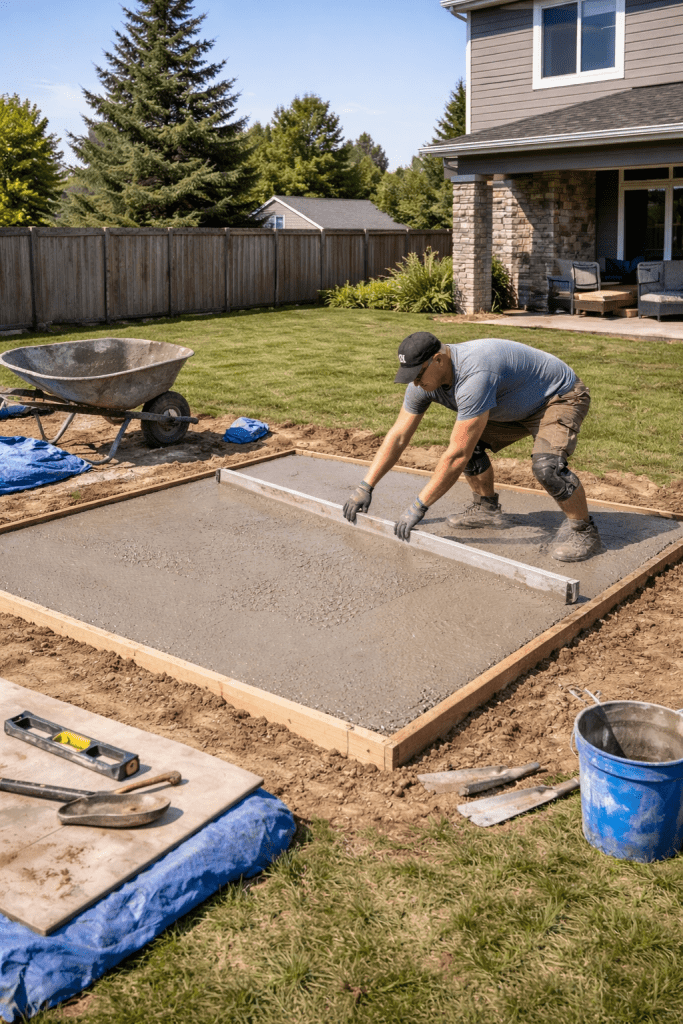
Base preparation: 1–4 weeks. A concrete pad needs to cure for at least 28 days before it can safely support a filled hot tub. Composite decking or reinforced ground-level pads are faster but still require a few days of work and settling.
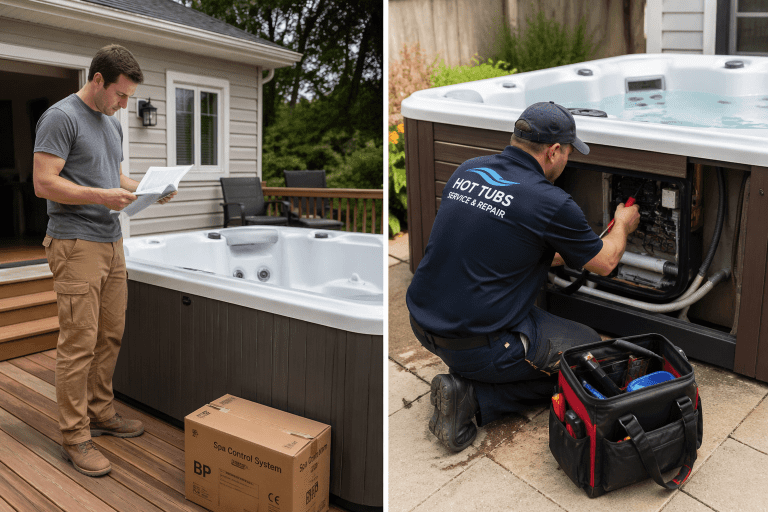
Electrical installation: 3–14 days. Most plug-and-play 120V models skip this step. Any 240V hard-wired tub — which covers the majority of serious hot tubs — needs a licensed electrician, a dedicated 50–60 amp GFCI breaker, and usually a separate inspection before use.
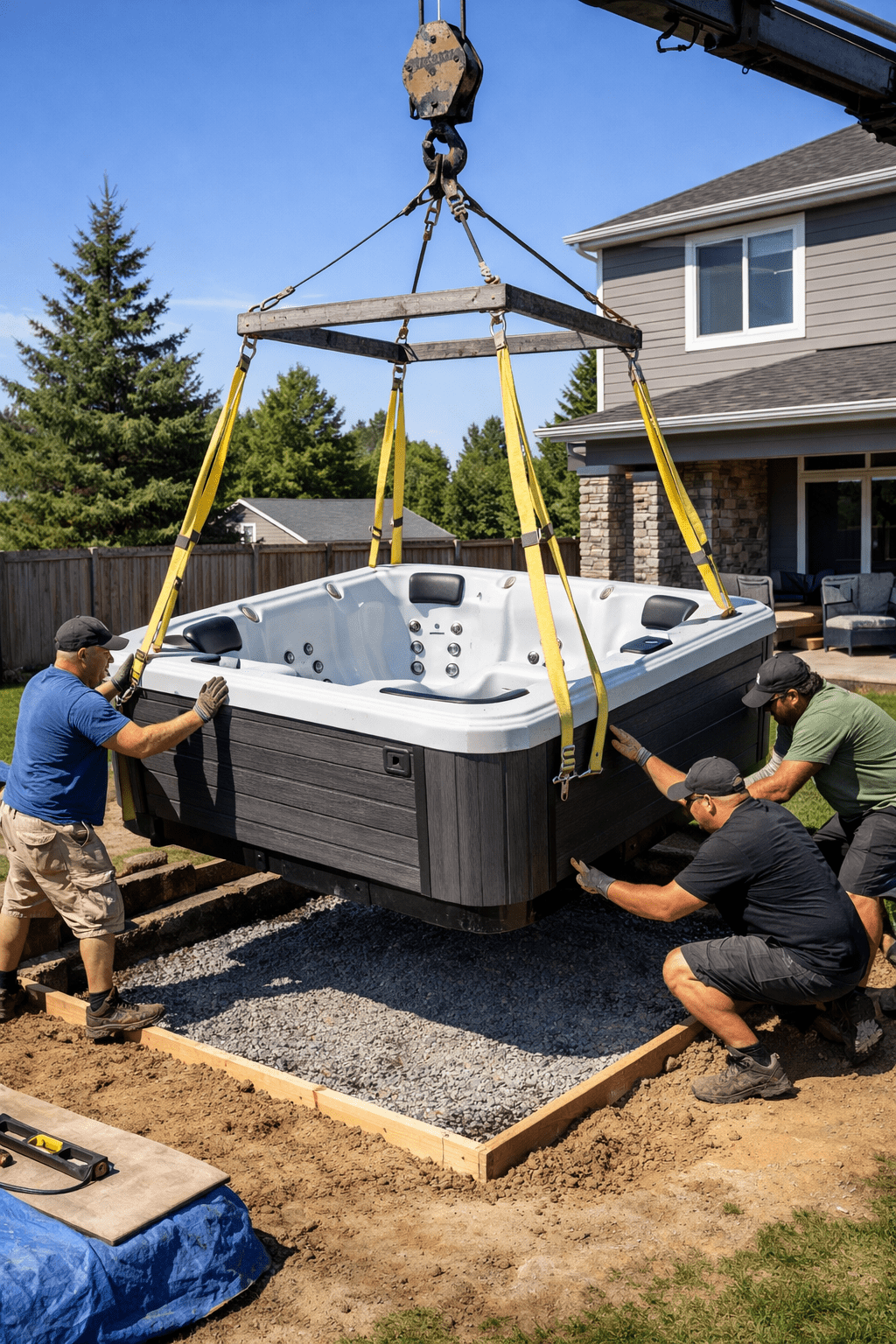
Delivery and crane day: 2–6 hours. The tub gets craned or hand-trucked into position. If you’ve done everything right, this is the fun part. If your access route is wrong or the pad isn’t ready, this is the expensive problem part.
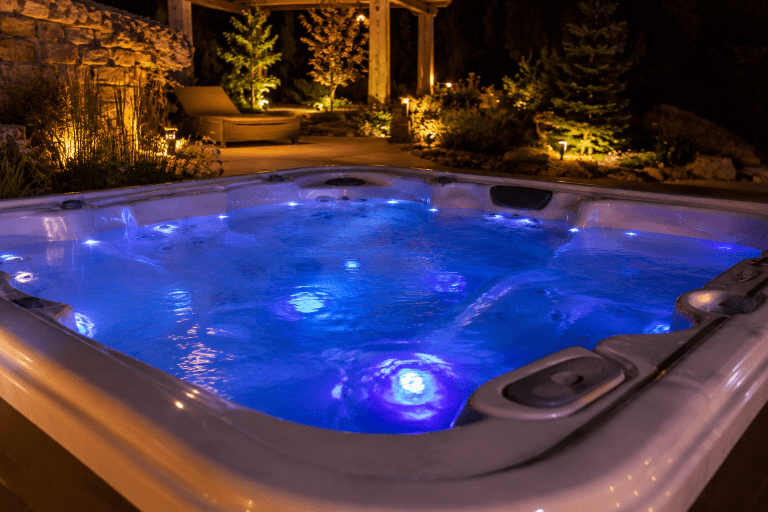
Fill and startup: 12–24 hours. Filling takes a couple of hours. Chemistry balancing and heat-up typically takes 12–24 hours depending on ambient temperature and your heater’s output.
Total realistic range: 3 days for a plug-and-play on an existing pad, 6–8 weeks when permits, concrete, and electrical scheduling stack up.
The Real Cost of Getting Your Timeline Wrong
Rushing the hot tub installation timeline costs real money. A pad poured and used before it’s cured can crack under the weight of 500+ gallons of water plus bathers — that’s a repair bill, not a manufacturer issue.
Skipping the permit step is the other common mistake. If an unpermitted installation is flagged during a home sale or by a neighbor complaint, you may be required to remove or relocate the tub entirely. The permit fee feels painful upfront. It’s nothing compared to remediation costs.
Budget-wise, electrical work alone can run $500–$2,000 depending on your panel’s proximity to the install location. Permits typically run $50–$300 depending on jurisdiction. Concrete pads range from $500 to $3,000+ for larger builds. Factor these into your total cost — not just the tub price tag.
Installation Friction: What Slows Everything Down
The hot tub installation timeline gets derailed at predictable points. Knowing them in advance keeps your project on track.
Electrician availability. This is the single most common delay. In busy seasons — spring and early summer especially — licensed electricians are booked 2–4 weeks out. Schedule your electrician before the tub arrives, not after.
Permit backlogs. Some counties have planning departments with genuine 3–4 week queues. Call your local building department before you order the tub, not after.
Access route problems. Hot tubs weigh 500–1,000 lbs dry and need clear access to the install site. Gates, low fences, overhead wires, and landscaping are all potential blockers. Crane hire adds cost and scheduling time.
Once the spa is positioned, plan the entry point too. Our Hot Tub Steps and Handrails guide covers step placement, grip and handrail options for getting in and out of the tub.
Weather delays. Concrete can’t be poured in freezing temperatures. Delivery gets pushed when access roads are icy. Plan for a buffer if you’re installing in late autumn or winter.
Delivery lead times. Popular models often have 4–8 week manufacturing or shipping timelines. The hot tub installation timeline doesn’t start when you order — it starts when the tub arrives.
Maintenance Planning Before You Even Fill It
Here’s something most installation guides skip: the first two weeks after fill are the most chemistry-intensive of your tub’s life. The hot tub installation timeline doesn’t end when the water goes in.
New tubs leach trace materials into the water during initial fill. You’ll need to shock the tub, balance pH and alkalinity, and test daily for the first 7–10 days. Budget time for this even if you’ve had a hot tub before — every new tub behaves slightly differently out of the box.
Ongoing maintenance after that settles into a 15–20 minute weekly routine: test strips, chemical adjustments, filter rinse. The CDC’s guidance on residential hot tub water chemistry outlines safe chlorine and pH ranges that protect both the equipment and the people using it.
Plan your drain-and-refill cycle from day one. Most hot tubs need a full water change every 3–4 months depending on usage and bather load. This is part of ownership, not optional maintenance.
Pros and Cons of Different Timeline Approaches
Rushing the timeline
Pros: You get in sooner. Cons: Skipped permits, undercured concrete, electrical shortcuts, voided warranties. This approach creates problems that show up 6–18 months later.
Taking the full prep time
Pros: Correct pad, permitted electrical, clean startup chemistry. The tub runs better and lasts longer. Cons: You’re waiting 6–8 weeks instead of getting in next weekend.
Plug-and-play approach (120V)
Pros: Fastest timeline — 1–3 days on an existing surface. No electrical permit typically required. Cons: Slower heat-up times, smaller tub options, not suitable for year-round cold-climate use in most cases.
The hot tub installation timeline you choose is really a tradeoff between patience and performance. Most long-term owners are glad they waited for the full setup.
Comparing Timeline by Hot Tub Type
Not all hot tubs follow the same installation path. The hot tub installation timeline shifts significantly based on type.
Inflatable hot tubs: 1–2 hours. Unbox, inflate, fill, balance. These sit on any flat surface and run on a standard 120V outlet. Not suitable for year-round use in colder climates, but the timeline is hard to beat.
Plug-and-play acrylic tubs: 1–3 days. Require a flat surface capable of supporting the weight. Standard outlet compatible. Slower to heat and less energy efficient but genuinely fast to install.
Hard-wired acrylic tubs: 3–8 weeks typical. The most common type of full-sized hot tub. Requires pad prep, 240V electrical, and usually a permit. This is the category where timeline planning matters most.
Swim spas: 4–10 weeks. Larger footprint, more complex electrical requirements, and often heavier craning logistics. These have the longest typical installation window.
In-ground and custom builds: 3–6 months. Custom hot tubs built into decking or landscaping are essentially a construction project. Budget accordingly.
If you’re also researching recovery and wellness setups around your hot tub, [CROSS-LINK: cold plunge benefits] — pairing contrast therapy with your hot tub routine is a setup a lot of wellness-focused buyers are moving toward.
Comparison Table
| Hot Tub Type | Typical Timeline | Permit Usually Required? | Electrical Requirement |
|---|---|---|---|
| Inflatable | 1–2 hours | No | 120V standard |
| Plug-and-play acrylic | 1–3 days | Sometimes | 120V standard |
| Hard-wired acrylic | 3–8 weeks | Yes | 240V dedicated |
| Swim spa | 4–10 weeks | Yes | 240V dedicated |
| In-ground/custom | 3–6 months | Yes | 240V+ dedicated |
Helpful Gear for Your Hot Tub Setup
Getting these basics sorted before delivery day saves you a scramble on startup.
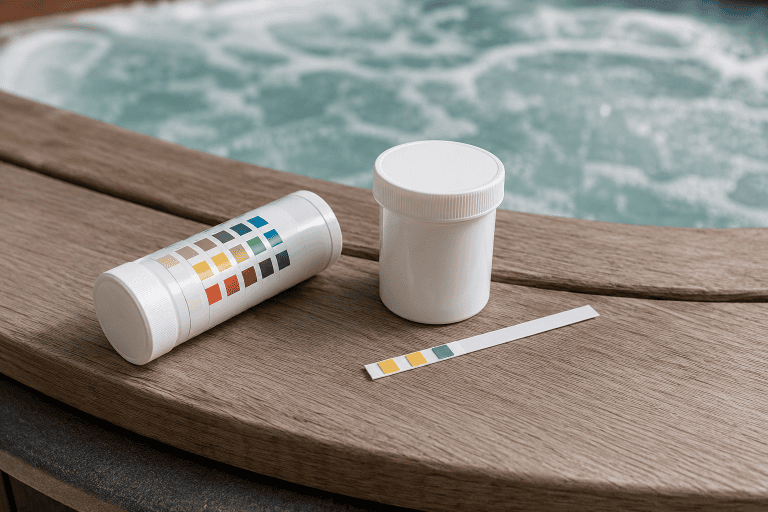
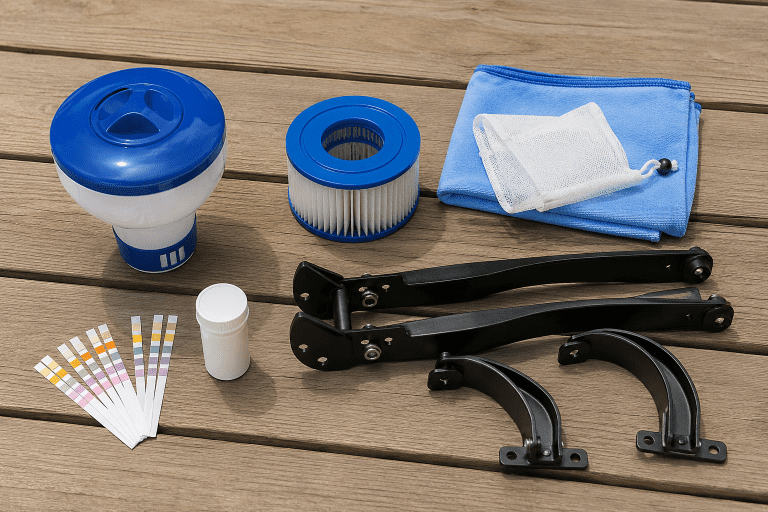
Water Test Strips— Fast and accurate for chlorine, pH, and alkalinity — exactly what you need to dial in your water chemistry after the first fill.
GFCI outlet tester — Useful during electrical setup to verify your circuit is correctly grounded before the tub is connected. Simple tool that electricians often use and homeowners can check themselves.
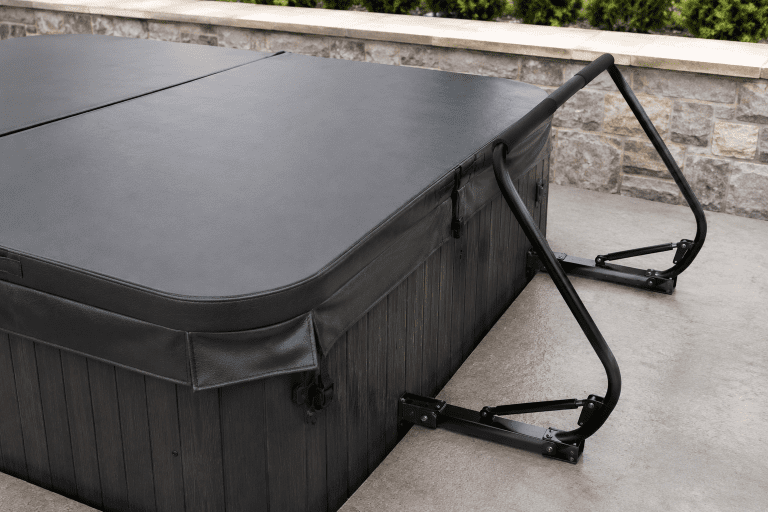
Insulated hot tub cover lifter — A cover lifter is one of those things that feels optional until you’re moving a waterlogged cover alone in winter. Makes daily use significantly easier.
FAQ
How long does hot tub installation take from order to use? The hot tub installation timeline from order to first use typically runs 6–10 weeks for a standard hard-wired model. This includes 4–6 weeks manufacturing and shipping, 1–3 weeks for permit approval and electrical scheduling, and 1–2 days for pad prep, delivery, and startup. Plug-and-play models on existing surfaces can be ready in 2–3 days.
Do I need a permit for hot tub installation? Most jurisdictions require at least an electrical permit for 240V hard-wired hot tubs, and many also require a structural or building permit. Requirements vary by county and city. Contact your local building department before ordering to avoid delays — permit approval alone can take 1–4 weeks depending on the area.
What is the fastest way to install a hot tub? The fastest hot tub installation route is an inflatable or plug-and-play 120V model on an existing concrete patio or reinforced deck. This avoids electrical permits, concrete work, and crane scheduling. From unboxing to water, you’re looking at a few hours to a couple of days. Tradeoff is reduced performance and limited suitability for colder climates.
The simple rule: the hot tub installation timeline shortens when you plan permits, electrical, and pad prep before the tub arrives — not after.
Summary Snapshot
- Hot tub installation timeline: 2 hours to 6+ months depending on type and prep
- Biggest delays: permits, electrician availability, concrete curing
- Plug-and-play models are fastest; hard-wired models need the most lead time
- First fill requires 12–24 hours plus active chemistry management for 7–10 days
- Rushing the timeline creates problems — budget the time, not just the money
Final Verdict
The hot tub installation timeline isn’t something to figure out after you’ve clicked purchase. The smart move is to map your permit requirements, get an electrician booked, and confirm your pad situation before you commit to a delivery date.
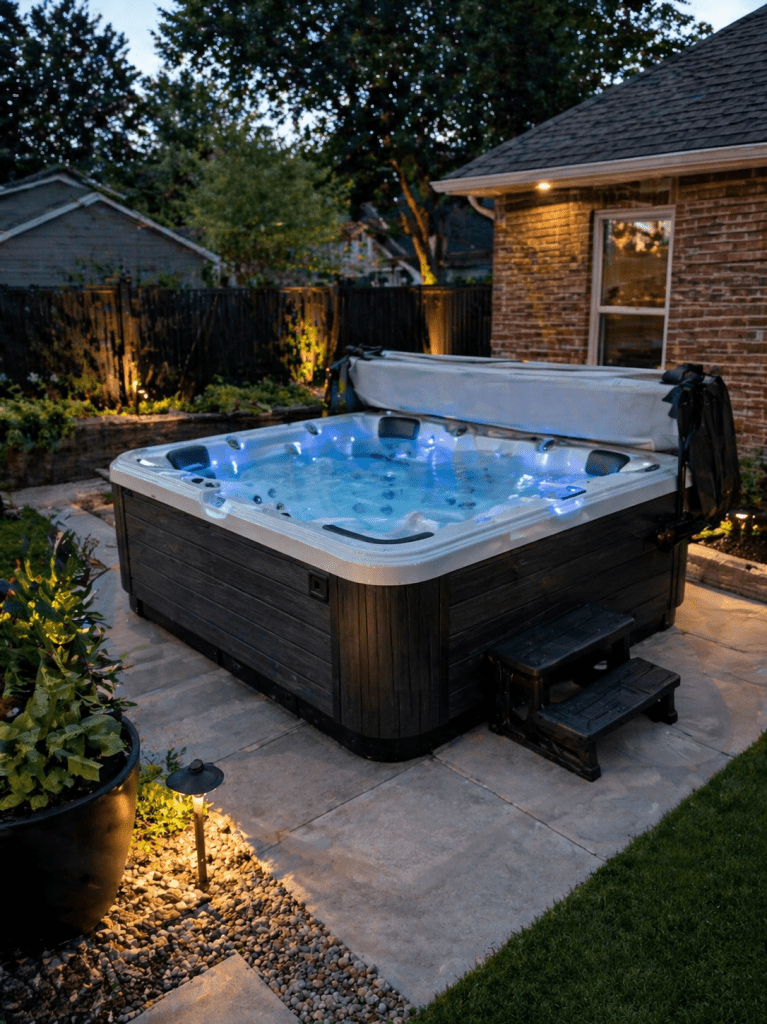
For most buyers going with a full-sized hard-wired tub, expect 6–8 weeks from order to soak. That’s not a problem — it’s just the reality of doing it right. Rush the timeline and you’re trading a few weeks of impatience for a few years of potential headaches.
Do the prep. Enjoy the water.
For more on planning your hot tub setup from the ground up, explore the rest of our Hot Tub Installations cluster — covering electrical requirements, base preparation, and budgeting guides.