How Much Does It Cost to Run an Electric Sauna Heater?
Running an electric sauna heater costs most homeowners $1–$5 per session, depending on heater size, local electricity rates, and how long you run it. That’s the honest answer up front — and the rest of this guide breaks down exactly where that number comes from.Understanding electric sauna heater cost before you buy prevents budget surprises down the line.
For most people, it’s far less than they expected.
Disclosure: Sunrise & Vitalize participates in the Amazon Associates program and other affiliate partnerships. Some links in this post may earn us a small commission at no extra cost to you. We recommend products based on features, value, suitability, and our research
⚡ Quick Snapshot
- Typical cost per session: $1–$5
- Monthly cost (3x/week): $12–$60
- Annual cost: $150–$720
- Biggest variables: heater wattage, session length, your utility rate
- Example electricity rate used in calculations: $0.15/kWh
- Heater sizes: 3kW (small) to 12kW+ (commercial/large)

📋 Table of Contents
- How the math actually works
- Cost reality by heater size
- Installation friction
- Maintenance costs
- Pros and cons
- Electric vs. wood-burning comparison
- Comparison table
- Helpful gear
- FAQ
- Summary snapshot
- Continue Exploring
- Final verdict
- Explore all sauna guides
1. How the Math Actually Works
Electric sauna heaters are rated in kilowatts (kW). To calculate what yours costs to run, you use one simple formula:
How much does it cost to run an electric sauna heater
So a 6kW heater running for 1.5 hours at $0.15/kWh costs:
6 × 1.5 × $0.15 = $1.35
When comparing electric sauna heater cost, remember that the final figure depends on both heater wattage and how long the unit actually runs.
That’s it. Most home electric sauna heater running costs land somewhere between $1 and $3 per session under normal conditions.
Where people get confused is forgetting the warm-up phase. Electric heaters typically take 30–60 minutes to reach temperature (around 160–190°F), and you’re paying for that time too. But even including warm-up, the numbers stay very manageable for most households.
2. Cost Reality by Heater Size
Here’s how costs break down by heater size, assuming 1.5 hours total run time at $0.15/kWh:
| Heater Size | Sauna Size | Cost Per Session | Monthly (3x/week) |
|---|---|---|---|
| 3kW | 1–2 person | ~$0.68 | ~$8 |
| 6kW | 2–4 person | ~$1.35 | ~$16 |
| 9kW | 4–6 person | ~$2.03 | ~$24 |
| 12kW | 6–8 person | ~$2.70 | ~$32 |
This gives you a useful baseline for electric sauna heater cost across the most common residential heater sizes.
A few important things to note:
Your electricity rate changes the calculation. The table above uses $0.15/kWh as a simple example rate, not a national average. To estimate your own cost, use the electricity price shown on your utility bill. For example, at $0.30/kWh the same heater would cost roughly twice as much to run as it does in our $0.15/kWh example.
Frequency matters more than people realize. Someone using their sauna daily at $2 per session spends about $730 per year. Someone using it twice a week spends about $208. Neither number is necessarily excessive, but knowing your expected usage helps you budget more accurately.
Insulation quality affects cost significantly. A well-insulated cedar sauna room reaches temperature faster and holds heat better. A poorly insulated room forces the heater to work harder for longer. Good insulation is one of the best long-term cost reducers you can invest in.
3. Installation Friction
This is the part many buyers don’t think about until after they’ve ordered a heater. The electrical setup can add to your total electric sauna heater cost, but it’s generally a one-time expense.
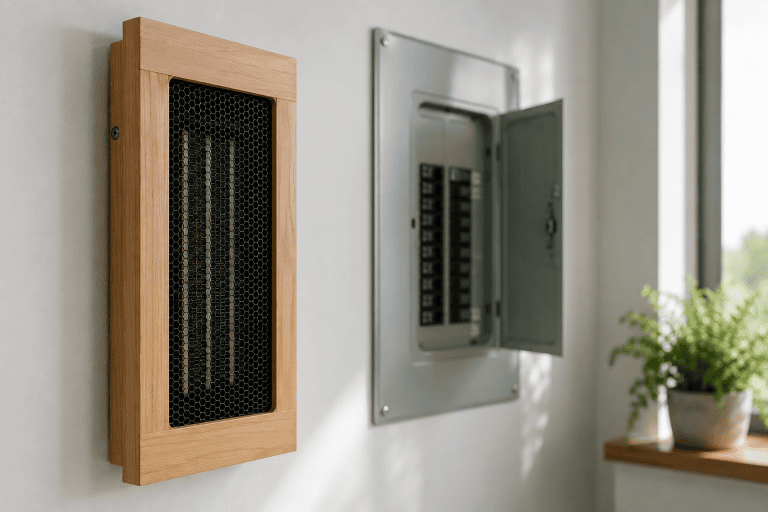
Check the heater’s electrical requirements before buying. Many residential electric sauna heaters, particularly higher-output models, require a dedicated 240V circuit. Our guide to sauna heater 240V wiring explains what to consider before calling an electrician. Installation cost varies considerably depending on the heater, your electrical panel, cable-run distance, and local labor rates. If you’re weighing a steam room as an alternative, our Steam Room vs Sauna guide compares the installation costs.
Permit requirements vary by state and municipality. Some areas require an electrical permit for a 240V circuit installation. This isn’t a reason to avoid it — it’s just a reason to budget for it and work with a licensed electrician from the start.
Indoor sauna rooms need ventilation. A properly ventilated sauna isn’t just comfortable — it’s a safety requirement. Fresh air intake near the floor and an exhaust vent near the ceiling help regulate oxygen and humidity. If you’re building a sauna from scratch, factor this into your planning early.
Pre-built vs. custom sauna rooms have different installation realities. Pre-built indoor sauna kits often come wiring-ready with clear instructions. Custom-built rooms give you more flexibility but require more coordination with a contractor.
Bottom line: budget $300–$1,000 for installation if you don’t already have the electrical infrastructure in place.
4. Maintenance
Electric sauna heaters are genuinely low-maintenance compared to wood-burning alternatives. Here’s what to expect over time:
Maintenance is therefore a relatively small part of the overall electric sauna heater cost over the life of the unit.
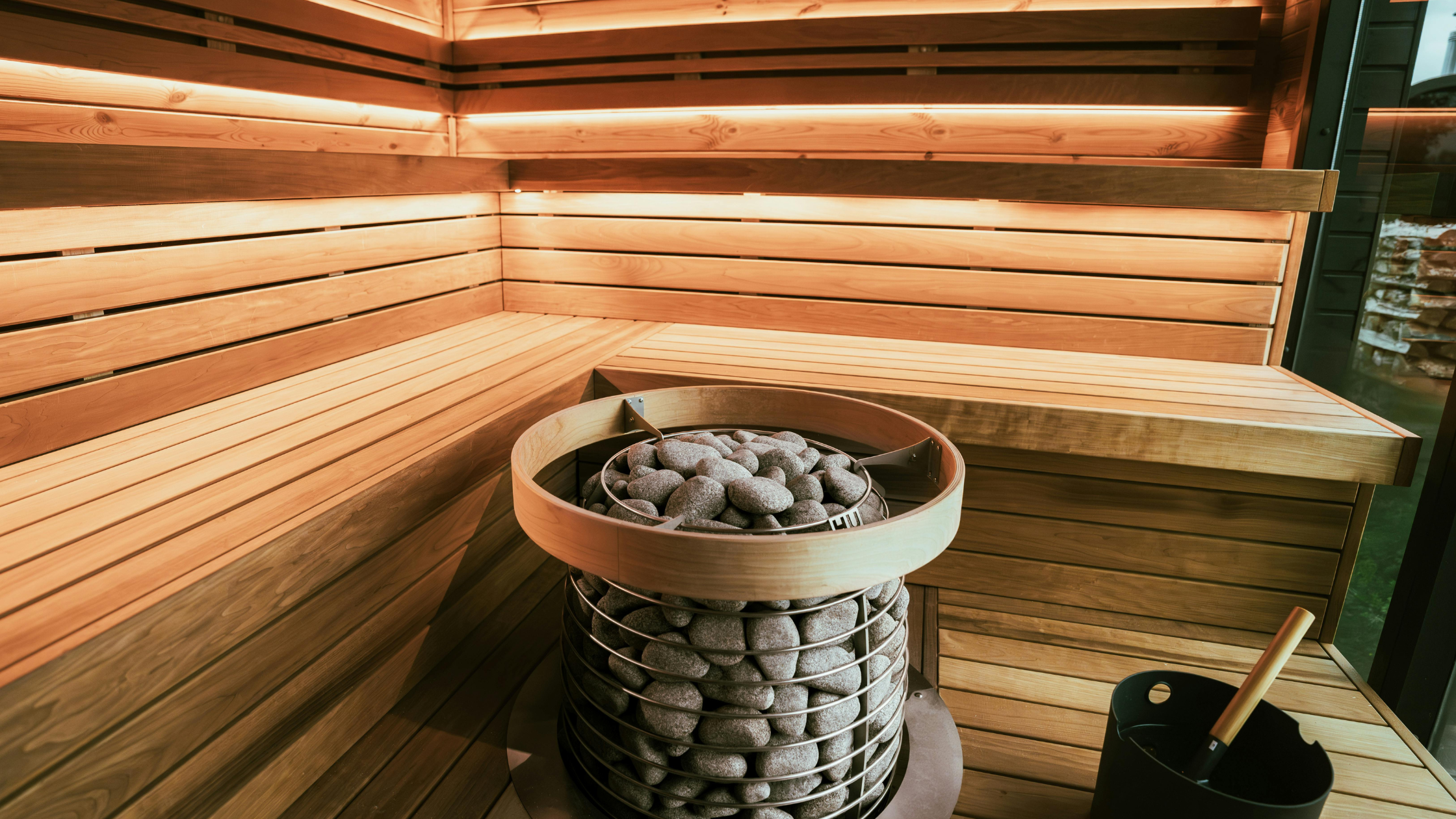
Sauna rocks need periodic inspection and maintenance. Over time, repeated heating and cooling can cause rocks to crack or crumble. Rearrange them and replace damaged rocks as needed, following the heater manufacturer’s guidance rather than relying on a fixed replacement schedule.
The heating element can wear out over time. Most quality electric heaters last 10–20 years with proper use. Replacement heating elements are available for most major brands and typically cost $50–$150 — much cheaper than replacing the whole unit.
Keep the interior clean and dry between uses. Cedar and other sauna woods are naturally resistant to mold and bacteria, but leaving the door shut after a session traps moisture. Leave it slightly open to air out after each use.
No chimney, no ash, no fire risk — the daily maintenance load of an electric heater is close to zero compared to wood-burning options. For the fuller maintenance checklist beyond rocks and heating elements, it’s worth a proper read.
5. Pros and Cons
Pros
- Very low cost per session ($1–$5)
- Precise temperature control
- No smoke, ash, or venting to the exterior required
- Safer for indoor use
- Easy to automate and pre-schedule
- Low ongoing maintenance
Cons
- Many higher-output models require a dedicated 240V circuit
- Warm-up time of 30–60 minutes
- Electricity costs vary significantly by region
- Doesn’t replicate the ambiance of a wood-burning sauna
- Power outage = no sauna
6. Electric vs. Wood-Burning: Honest Comparison
Both have their place. Here’s a real-world breakdown:
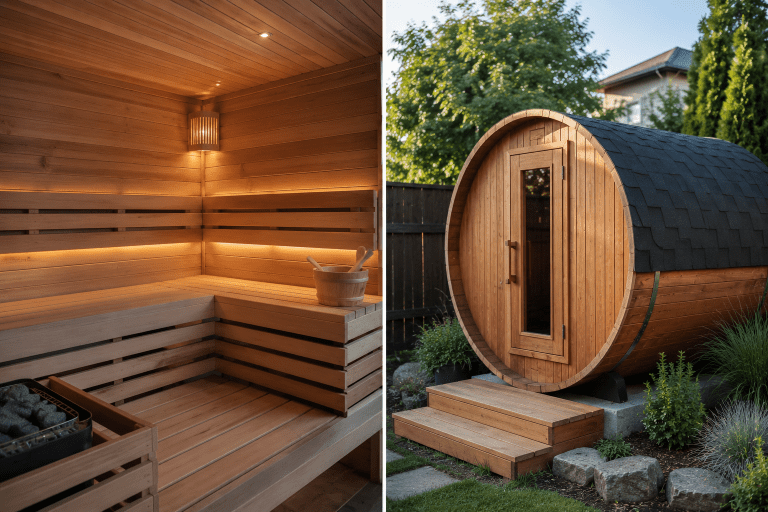
Electric heaters are ideal for indoor home saunas, apartment buildings, gyms, and anyone who wants convenience and simplicity. You set it, forget it, and step in when it’s ready.
Wood-burning heaters are better for outdoor saunas, off-grid setups, and people who want the full traditional sauna experience — including the ritual of building a fire. Running costs vary depending on whether you buy firewood or have access to your own supply, while setup, maintenance, and venting requirements are generally more involved.
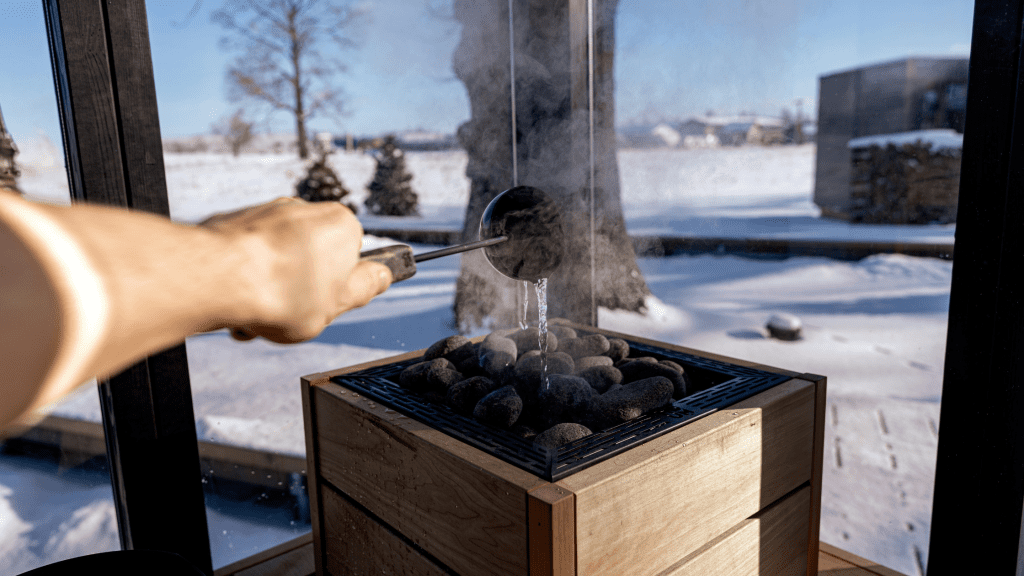
Looking at electric sauna heater cost alongside a wood-burning heater makes the convenience-versus-running-cost trade-off easier to see.
7. Comparison Table
| Feature | Electric Heater | Wood-Burning Heater |
|---|---|---|
| Cost per session | Varies by heater size & electricity rate | Varies by firewood cost/source |
| Installation cost | Varies by electrical setup | Varies by installation & venting |
| Warm-up time | 30-60 min | 45-90 min |
| Temperature control | Precise | Manual/variable |
| Indoor installation | Yes, when correctly installed | Possible with approved venting/flue |
| Maintenance | Very low | Moderate |
| Ambiance | Clean/modern | Traditional/rustic |
| Off-grid use | ❌ No | ✅ Yes |
8. Helpful Gear
A few things worth having alongside your electric heater:
Sauna thermometer/hygrometer — Knowing your exact temperature and humidity makes every session better.
Quality sauna rocks — Replacement sauna stones designed for electric sauna heaters can be useful when existing rocks become cracked or degraded. Always check your heater manufacturer’s specifications before choosing replacement rocks.
Sauna ladle and bucket set — If your heater supports steam (löyly), a wooden ladle and bucket are simple, traditional additions that enhance the experience without adding cost.
None of these are essential — but they’re the kind of small upgrades that make a real difference in how much you enjoy the sauna long-term.
9. FAQ
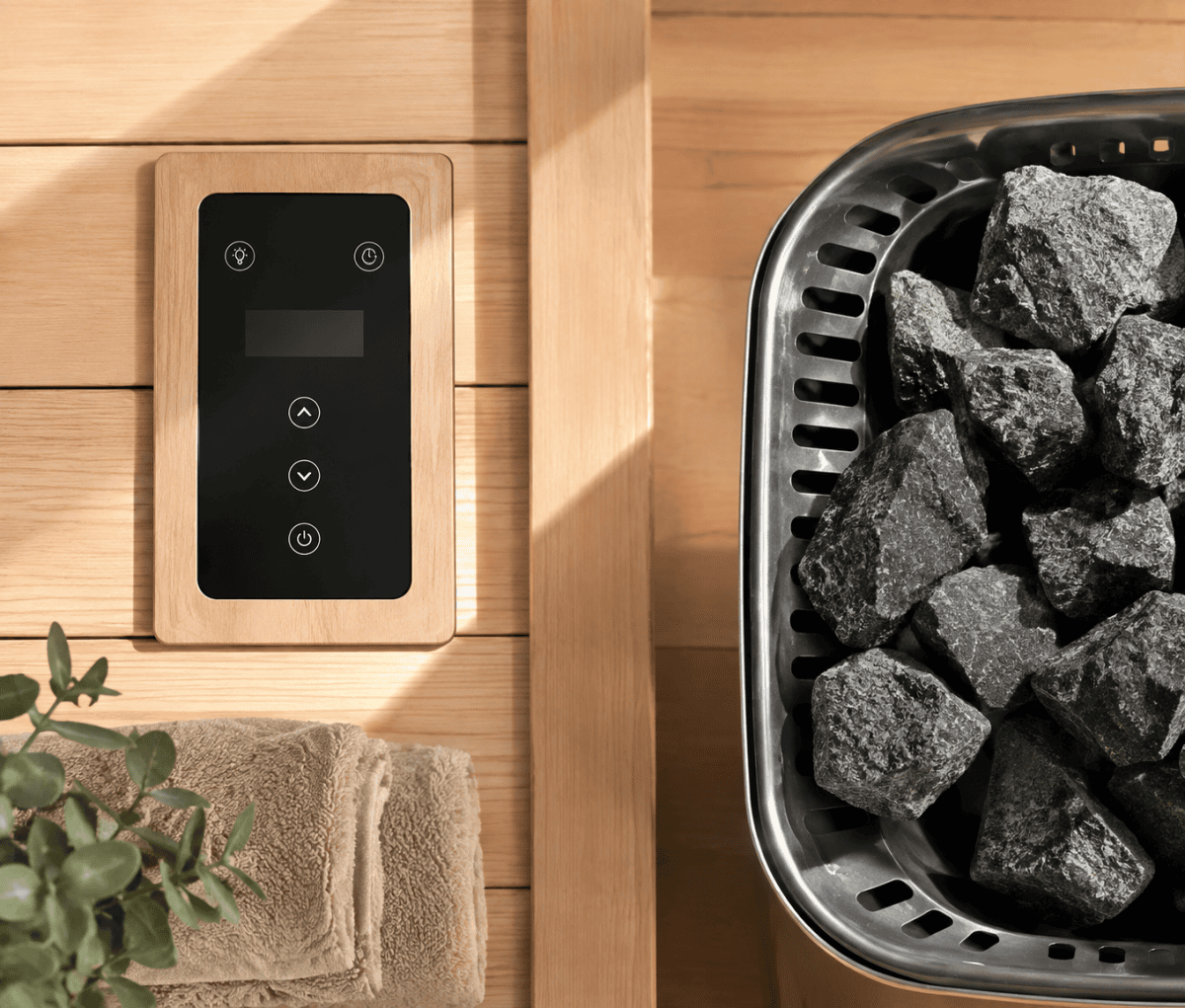
Does leaving a sauna heater on cost a lot? An electric sauna heater continues using electricity while operating, so unnecessary extra run time increases the cost. Leaving a 6kW heater running for an extra hour costs roughly another $0.90, and over weeks and months, that adds up. Most modern heaters have timers or auto-shutoffs built in. One of the most common questions about electric sauna heater costs is whether daily use becomes expensive — in most cases, it doesn’t.
Can I run an electric sauna heater on a standard 120V outlet? Smaller 1–3kW heaters can sometimes run on 120V, but most residential home saunas require 240V. Always check your heater’s specifications and consult an electrician before installation.
How do I reduce my electric sauna running costs? The most effective steps: use your sauna during off-peak electricity hours if your utility offers time-of-use rates, improve your sauna room’s insulation, keep the door shut during warm-up, and use the right-sized heater for your room (oversizing wastes energy).
For most households, electric sauna heater cost stays predictable when the heater is correctly sized and the sauna is well insulated.
Simple rule: A well-sized electric sauna heater in a well-insulated room, used a few times a week, will cost most homeowners less than a Netflix subscription per month.
Overall, electric sauna heater cost is driven much more by usage frequency and local electricity prices than routine maintenance.
📊 Summary Snapshot
- Cost per session: $1–$5 (average)
- Monthly estimate: $12–$60 depending on frequency
- Installation cost: Varies depending on the heater, existing electrical setup, and local labor rates
- Ongoing maintenance: Very low — inspect sauna rocks periodically and replace damaged rocks according to manufacturer guidance
- Lifespan: 10–20 years for quality units
- Best for: Indoor home saunas, year-round use, convenience-first buyers

Final Verdict
Electric sauna heaters are one of the most cost-efficient ways to own a home wellness routine. The running costs are low, the maintenance is minimal, and the convenience — especially for indoor setups — is hard to beat.The electric sauna heater cost picture is genuinely manageable for most US households.
The main thing to plan for is installation: if you don’t already have a 240V circuit in place, budget for an electrician. Do that right from the start, and you’ll have a setup that runs cleanly and cheaply for the next decade or more.
For most households, the math works out comfortably. The real question isn’t whether you can afford to run it — it’s whether you’ll use it enough to justify the upfront investment.