
Steam Generator Electrical Requirements: What You Need Before You Buy
Steam generator electrical requirements are the part of this project that trip up more buyers than the generator itself. Most people budget for the unit and the plumbing, then get blindsided by the electrical scope once a licensed electrician actually looks at the panel.
Here’s the honest version, from someone who’s been through the install and made a couple of the mistakes below.
Affiliate disclosure: Some links on this page are affiliate links. If you buy through them, I may earn a small commission at no extra cost to you.
Quick Snapshot
- Most residential steam generators need a dedicated 220–240V circuit, typically 30–50 amps depending on generator size
- Electrician labor for a new dedicated circuit usually runs $500–$1,500 depending on panel distance and access
- A qualified electrician can usually complete the wiring in 4–8 hours on an existing panel with available capacity
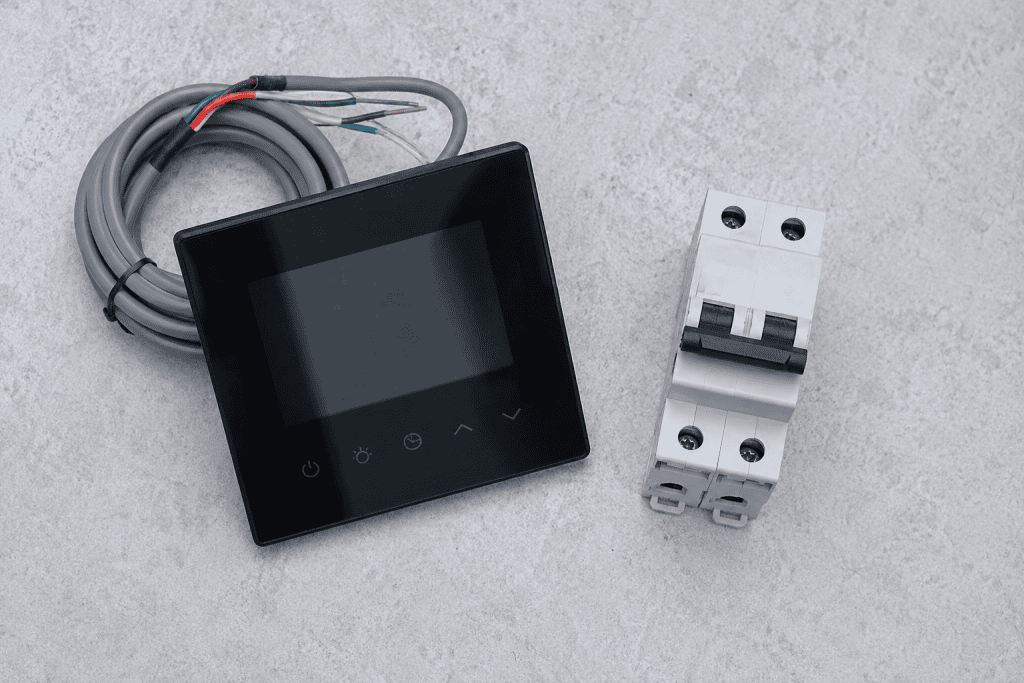
Table of Contents
- What Are the Real Steam Generator Electrical Requirements?
- Cost Reality
- Installation Friction
- Maintenance
- Pros and Cons
- How This Compares
- Helpful Gear
- FAQ
- Final Verdict
What Are the Real Steam Generator Electrical Requirements?
Every residential steam generator I’ve come across needs its own dedicated circuit — you can’t share it with an outlet, a light, or anything else on that breaker. Steam generator electrical requirements typically call for 220–240V, with amperage scaling to the generator’s kW output: a smaller 6–9kW unit usually sits around 30 amps, while larger units for bigger steam rooms can push toward 50 amps or more.
What most buyer guides skip is that many steam generator installations also include separate low-voltage control wiring for accessories such as the control panel, ventilation fan, or lighting, depending on the manufacturer and system design. That’s in addition to the main power feed, so it’s worth discussing the full wiring scope with your installer before requesting quotes.
In my own installation, that extra wiring was one of the details the electrician wanted to confirm before giving a final price, and it reinforced how important it is to understand the full scope before buying the generator. If you’re planning your own steam generator electrical requirements around a single power cable, you’re only budgeting for part of the job.
Does a steam generator need its own breaker? Yes. A shared breaker with any other appliance risks nuisance tripping and, more seriously, doesn’t meet code in most US jurisdictions for a fixed water-adjacent heating appliance. This is one of the steam generator electrical requirements that isn’t negotiable.
Cost Reality
The generator’s sticker price and the electrical cost are two separate budgets, and the second one gets underestimated constantly. Steam generator electrical requirements typically add $500–$1,500 in labor alone if your panel already has open capacity nearby. If the generator install site is far from the panel, or the panel itself needs a subpanel or capacity upgrade, that figure can climb toward $2,500–$4,000 typically — actual pricing depends heavily on local labor rates and site conditions, according to the U.S. Energy Information Administration’s residential electricity data.
Permits are the other line item people forget to fold into steam generator electrical requirements. Electrical permit fees for this kind of work generally run $50–$300 depending on the municipality, and pulling one is typically the electrician’s job, not yours — though it’s worth confirming who’s responsible before the quote is signed (see nolo.com for the general permit framework most US jurisdictions follow).
Installation Friction
The single biggest source of installation friction with steam generator electrical requirements is panel distance. If your steam room is on the opposite side of the house from your electrical panel, the wire run itself — not the generator, not the labor rate — becomes the expensive part of the job.
The second friction point is panel capacity. Older homes with 100-amp service sometimes don’t have room for another 30–50 amp dedicated circuit without either a subpanel or a service upgrade, and that’s a conversation worth having with an electrician before you buy the generator, not after. Sizing the generator and sizing steam generator electrical requirements have to happen together, not as separate decisions — the How to Choose a Steam Generator: A Real Sizing & Installation Guide guide covers the sizing side of that.
Maintenance
Once the wiring’s in, steam generator electrical requirements aren’t something you think about day-to-day — this isn’t a recurring maintenance item like descaling. The one exception worth checking annually is corrosion at the terminal block, since steam generator electrical requirements sit in a more humid environment than a typical appliance circuit.
Pros and Cons
Pros:
- Dedicated circuits mean reliable, consistent power delivery with no shared-load tripping
- Most installs are a one-time electrical job, not a recurring cost
- A properly wired interlock system means the light and fan work automatically with the steam cycle
Cons:
- The interlock/control wiring is often left out of online cost estimates entirely, which means the number you budget from a generic guide is usually low
- Panel capacity limitations aren’t something you can diagnose yourself — you’re dependent on an electrician’s assessment before you know your real cost
How This Compares
Steam generator electrical requirements are broadly similar in scale to what a hot tub needs — both are dedicated 220–240V circuits — but the interlock wiring for lights and fans is specific to steam generators and doesn’t have a real hot tub equivalent. If you’re comparing the two projects, the Hot Tub Electrical Requirements: What Every Homeowner Must Know Before They Buy breakdown is a useful side-by-side for understanding where the two diverge.
| Factor | Steam Generator | Hot Tub |
|---|---|---|
| Typical circuit | 220–240V, 30–50A dedicated | 220–240V, 40–60A dedicated |
| Interlock wiring needed | Yes (light + fan) | No |
| Post-install “settle in” feel | Energizing, almost invigorating rather than purely relaxing | Deeply relaxing, more sedating |
| Typical electrician time | 4–8 hours | 4–10 hours |
How much does it cost to wire a steam generator? Typically $500–$1,500 for a straightforward install with an accessible panel, rising to $2,500–$4,000 if a subpanel or long wire run is involved. Get a firm quote before committing, since site conditions vary this figure significantly.

Helpful Gear
- Sauna & steam room thermometer/hygrometer combo – useful for confirming your steam room is holding temperature consistently once the generator’s wired in and running.
- Silicone door gasket seal strip – helps contain steam and reduce strain on the generator once electrical and plumbing work is complete.
- Descaling solution for steam generators – not electrical, but worth having on hand from day one so mineral buildup never becomes a separate problem to troubleshoot alongside the wiring.
FAQ
Is it worth paying an electrician if I’m handy enough to do it myself? For this specific job, yes. Steam generator electrical requirements involve a water-adjacent, high-humidity dedicated circuit, which is why most jurisdictions require licensed sign-off before a permit inspection passes.
Will my existing panel handle this, or am I looking at a bigger project? It depends on your panel’s current load and available breaker slots — an electrician can usually tell you in a single visit whether you need a simple new breaker or a subpanel.
What if I only use the steam room a few times a week — is the electrical cost still worth it? The wiring cost is fixed regardless of usage frequency, so it’s a one-time investment rather than an ongoing one. If you’re on the fence about usage, that’s a separate question from whether the electrical work itself is worth doing correctly the first time.
Get the electrical assessment before you buy the generator, not after — it’s the one part of steam generator electrical requirements that can change your whole budget.
Summary Snapshot
- Dedicated 220–240V circuit required, typically 30–50 amps
- Interlock wiring for light/fan often missed in cost estimates
- Electrical labor: $500–$1,500 typical, more with subpanel or long wire runs
- Permits usually required — confirm who pulls them before signing a quote

Final Verdict
Steam generator electrical requirements are usually more involved than the generator’s own spec sheet suggests, mainly because of the interlock wiring most guides don’t mention at all. Get a real electrician’s assessment before buying, budget the labor as its own line item, and the rest of the install tends to go smoothly.
If you’re planning the generator itself, How to Choose a Steam Generator: A Real Sizing & Installation Guide and Best Home Steam Generators: What Actually Works in 2026 cover sizing and product selection, while Hot Tub Electrical Requirements: What Every Homeowner Must Know Before They Buy is a useful comparison if you’re weighing both projects.