
What Size Steam Generator Do I Need? A Real Sizing Guide Before You Buy
If you’re asking what size steam generator do I need, start by measuring your enclosure’s length, width and height. Then use your chosen manufacturer’s sizing chart or calculator, which accounts for room volume and surface materials. Floor space alone won’t tell you which kW rating to buy.
An undersized generator may struggle to heat the enclosure adequately. Choosing a larger model without checking the manufacturer’s guidance can also mean paying for capacity you don’t need. This guide explains how to measure your room and check the sizing before buying.
As an Amazon Associate, Sunrise & Vitalize earns from qualifying purchases. If you buy through an affiliate link, we may earn a small commission at no extra cost to you.
Quick Snapshot
- Measure room volume: length × width × height in feet gives cubic feet.
- Account for materials: use your chosen manufacturer’s sizing chart or calculator to factor in wall and ceiling finishes and any required adjustments.
- Choose the recommended model: there is no universal cubic-feet-per-kW rule that works for every brand and enclosure.
- Check installation before buying: confirm the selected model’s electrical supply, plumbing and placement requirements with your installer.

Table of Contents
- What Size Steam Generator Do I Need for Your Room
- The Real Cost of Getting Sizing Wrong
- 5 Installation Friction Points Before You Buy
- Maintenance Once It’s Sized and Running
- Pros and Cons of Sizing Up vs Sizing Down
- Comparing Sizing Approaches
- Helpful Gear
- FAQ
- Final Verdict
What Size Steam Generator Do I Need for Your Room
Working out what size steam generator do I need starts with measuring the enclosure’s internal length, width and height. Multiply those measurements to calculate its volume:
Length × width × height = room volume in cubic feet
For example, an enclosure measuring 4 feet long × 5 feet wide × 8 feet high has a volume of 160 cubic feet. That is your starting measurement—not a final generator recommendation.
Next, enter those dimensions and your wall and ceiling materials into your chosen manufacturer’s sizing calculator, or follow its sizing chart. Natural stone, glass and other construction features can change the recommended capacity. Apply that manufacturer’s adjustments rather than a universal “1kW per 35–45 cubic feet” formula.
Before buying, have your installer confirm the recommended model suits the enclosure and installation. A larger generator cannot substitute for a properly constructed steam enclosure.
The Real Cost of Getting Sizing Wrong
An undersized generator may struggle to bring the enclosure to the desired temperature. Buying more capacity than the manufacturer recommends can increase your purchase cost, but a higher kW rating does not automatically mean a higher electricity bill every session.
To estimate electricity use, multiply the generator’s rated kW by the hours its heating elements actually operate. For illustration, a 9kW unit heating continuously for 30 minutes uses 4.5kWh. At an example rate of $0.20 per kWh, that costs $0.90. Actual consumption depends on warm-up time, control cycling, enclosure construction and session length.
The installed price depends on the generator package, controls, electrical work, plumbing and any enclosure alterations. Get an itemized local quote for the manufacturer-recommended model rather than relying on a single national price range.
Installation Checks Before You Buy
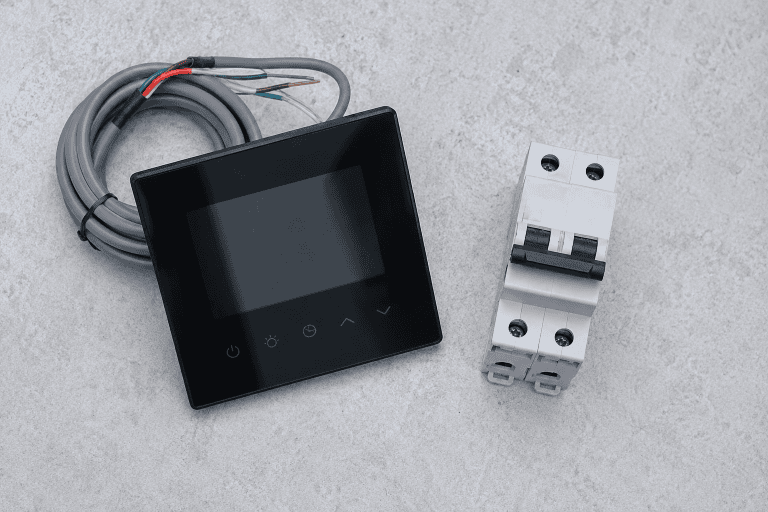
Before buying, ask a licensed electrician to check the selected generator’s voltage, dedicated circuit requirements and your home’s electrical capacity. Many residential steam generators run on 240V, including smaller models, so check the voltage of the exact unit you’re considering. Breaker size, wiring and disconnect requirements must follow the specific model’s installation manual and applicable electrical codes. Confirm whether any panel work is needed before ordering.
Plumbing is the second check: the generator needs a water supply line, and the run can be short or awkward depending on where your nearest supply is. Placement matters too: manufacturers specify a maximum distance between the generator and the steam head, which limits where the unit can go.
Permits are also worth checking before committing to a size or unit. Electrical and plumbing work of this scope generally requires a permit in most U.S. jurisdictions, and requirements for when homeowners need permits for home improvement projects vary significantly by location
Maintenance Once It’s Sized and Running
A correctly sized generator still needs the maintenance specified in its manual. Mineral buildup depends on water hardness, usage and the unit’s draining or flushing system—not simply whether its kW rating is low or high.
Follow the manufacturer’s instructions for flushing, inspection and any descaling. There is no universal three-to-six-month descaling schedule suitable for every generator. Use only cleaning products and procedures approved for your model, and leave servicing that involves opening the unit to a qualified technician.
If steam output drops, check maintenance and installation issues before assuming the generator is undersized. Poor performance alone does not identify the cause.
Pros and Cons of Sizing Up vs Sizing Down
Choosing below the manufacturer’s recommendation: may reduce the purchase price, but the generator may struggle to heat your enclosure adequately. A lower kW rating does not guarantee lower total running costs.
Choosing above the manufacturer’s recommendation: may cost more upfront and require different electrical provision. It does not automatically deliver better comfort or compensate for an unsuitable enclosure.
Choosing the recommended size: matches the model to your room’s dimensions and construction. If your enclosure falls between models or has unusual features, ask the manufacturer or installer which option is appropriate.
Comparing Sizing Approaches
| Sizing approach | What it considers | Main limitation |
|---|---|---|
| Floor area only | Length and width | Ignores ceiling height and materials |
| Room volume only | Length × width × height | Leaves out the manufacturer’s construction adjustments |
| Manufacturer’s chart or calculator | Dimensions, materials and specified adjustments | Unusual enclosures may need direct advice |
| Manufacturer or installer confirmation | Recommended model and installation requirements | Requires your room details before purchase |
Use the manufacturer’s chart or calculator as your starting point, then confirm any unusual construction details before ordering. Heat-up time and session comfort cannot reliably be predicted from a generic low-, mid- or high-kW table.

FAQ
Should I buy a larger steam generator just in case?
Follow the manufacturer’s recommendation for your enclosure. If your room falls between models or has unusual materials or extensive glass, ask the manufacturer or installer which size is suitable rather than automatically choosing a larger unit.
Can I work out the size myself without paying for professional sizing?
You can measure the enclosure and use the manufacturer’s sizing chart or calculator yourself. Have your installer confirm the selected model and installation requirements before ordering, particularly if the enclosure has unusual construction features.
How do I know whether my current generator is undersized?
Compare its model and rated capacity with the manufacturer’s recommendation for your room dimensions and materials. Slow warm-up alone does not prove undersizing: maintenance, steam escaping from the enclosure, controls or installation faults may also affect performance. Have persistent problems assessed before replacing the unit.
Simple Rule
Measure the enclosure, use your chosen manufacturer’s sizing chart or calculator, and confirm the recommended model with your installer before buying.
Quick Recap
- Calculate room volume: length × width × height.
- Follow the manufacturer’s adjustments for materials and construction.
- Confirm electrical, plumbing and placement requirements before ordering.
- Follow your model’s maintenance instructions.

Final Verdict
The answer to what size steam generator do I need comes down to your enclosure’s dimensions, materials and the manufacturer’s sizing guidance. Measure first, check the recommended model, then confirm installation requirements before ordering. Choose capacity that suits the room rather than assuming bigger is better.
For the wider buying decision beyond sizing, our guide on How to Choose a Steam Generator covers controls, features and installation in more depth. Ice Plunge Space Requirements: What You Actually Need Before You Buy covers the same measuring principles for a cold plunge setup.