How to Choose a Steam Generator: A Real Sizing & Installation Guide
How to choose a steam generator starts with your room’s dimensions and construction. Match those to the manufacturer’s sizing guidance, then compare electrical requirements, controls, maintenance access and the complete installed cost.
It’s a boring first step, but it’s the one that actually decides whether you’re happy with the thing in six months.
This post contains affiliate links. If you buy through them, I may earn a small commission at no extra cost to you.
Quick Snapshot
• Choose generator capacity using the manufacturer’s sizing chart, accounting for room dimensions and construction.
• Get an itemized installed quote covering the generator, controls, electrical work, plumbing and enclosure preparation.
• Heat-up time varies with the generator, room size, materials and starting temperature.
• Electricity example: 9kW at full power for 20 minutes uses 3kWh—$0.60 at an illustrative $0.20/kWh, excluding additional warm-up time.

In This Guide
1. Sizing by room volume
2. Real installed cost
3. Installation friction
4. Essential maintenance
5. Pros and cons
6. Steam generator buying checklist
7. FAQ
8. Summary snapshot
9. Final verdict
How to Choose a Steam Generator: Sizing by Room Volume
The first real step in how to choose a steam generator is measuring your room, not browsing brands. Multiply length by width by height in feet to get cubic footage, then match that number to a generator’s rated output.
There isn’t one universal cubic-feet-per-kW rule that works across all brands. Measure the enclosure’s length × width × height, then use the chosen manufacturer’s sizing chart or calculator. Wall materials, ceiling height and construction can change the required capacity, so confirm the model before buying.
How much room does a steam generator actually need to heat? Measure the enclosed steam room only, not adjoining spaces, and round up rather than down — undersizing is the single most common mistake in this category.
Steam Generator Cost: Compare the Complete Installed Quote
Compare quotes for the same scope. Ask whether the price includes the generator, compatible controls, steam head, electrical circuit, plumbing, permits and any enclosure work. Installing equipment in an already suitable steam shower is a different project from converting an ordinary shower, so don’t treat the two as the same installed cost.
To estimate electricity cost, multiply the generator’s power in kW by its operating time in hours, then by your electricity rate per kWh. For example, a 9kW generator drawing full power for 20 minutes uses 3kWh. At an illustrative $0.20 per kWh, that costs $0.60, excluding additional warm-up time. Actual consumption depends on how the unit cycles during use.
Installation Friction Nobody Puts On the Spec Sheet
Installation is where choosing a steam generator becomes a room-design decision. The enclosure needs a suitable waterproofing and vapor-management system, proper drainage and construction that follows the selected manufacturer’s instructions. Confirm ceiling-slope requirements for your particular system rather than assuming every residential installation has the same rule.
Permits are worth checking before you commit to a layout, since many jurisdictions require them for new electrical circuits and plumbing work — the permit guidance from Nolo is a reasonable starting point for understanding when homeowners typically need one. Skipping this step is a common source of delays and rework once an inspector gets involved.
Placement of the generator itself also matters more than most guides mention. It needs to sit within a set distance of the steam head, in a ventilated space that stays dry, which often rules out the most convenient closet in the house.
Getting how to choose a steam generator right at this stage means thinking about access for future servicing, not just where the unit fits today. A generator tucked behind a finished wall with no access panel turns a simple descaling job into a repair project. Most installers recommend leaving a removable panel or an accessible utility closet specifically so the unit can be serviced without cutting into drywall.
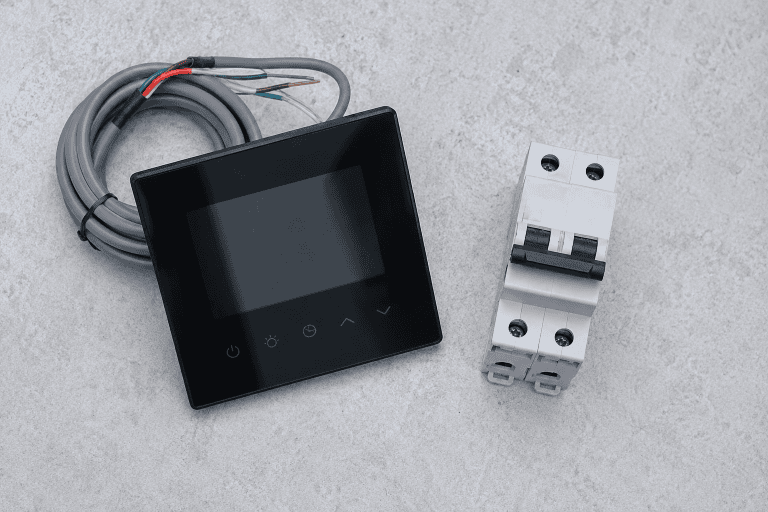
Check electrical requirements before choosing a model. Don’t assume a smaller generator can use an ordinary outlet: have a qualified electrician confirm the specified voltage, dedicated circuit, breaker, wiring and available panel capacity.
Maintenance: The Essential Steam Generator Upkeep
Follow the selected model’s maintenance instructions. Water hardness affects mineral buildup, while flushing and any approved descaling procedure vary by generator. Automatic flushing can help manage deposits, but it doesn’t remove every maintenance requirement.
When comparing models, check the maintenance schedule and required service access. Keep the generator accessible, and don’t open the tank or add cleaning chemicals unless the manufacturer specifies that procedure.
Pros and Cons
Weighing these pros and cons is really the last piece of how to choose a steam generator with confidence, once sizing, cost, and installation are already settled.
Pros:
- Reaches full steam faster than most people expect once correctly sized
- Lower running cost per session than most people assume
- Compact generators offer flexible placement where the manufacturer’s installation and access requirements can be met; the shower enclosure may still need substantial preparation.
Cons:
- Undersizing is easy to get wrong without measuring the room first, and the effects — condensation, weak steam, longer heat-up times — only show up after installation, when fixing it means replacing the unit
- Hard water can increase mineral buildup and maintenance needs; follow the model’s instructions for your water conditions.
- Permit and electrical requirements can add real time to a project that looks simple on paper
Steam Generator Buying Checklist.
These checks help you compare suitable steam generators before committing to a purchase.
| Buying check | What to confirm |
|---|---|
| Room suitability | Manufacturer’s capacity rating for your enclosure |
| Electrical supply | Required voltage, circuit and panel capacity |
| Complete package | Compatible controls and steam head included or priced separately |
| Maintenance | Flushing requirements and service access |
| Noise | Generator location relative to bedrooms and living spaces |

FAQ
These are the questions that come up most once people start actually comparing units for how to choose a steam generator in their own home.
Is it worth installing a steam generator if I’ll only use it two or three times a week? It can be worthwhile if you value the convenience and expect to use it regularly, but low running costs alone don’t justify the installation bill. Compare the complete purchase and maintenance costs with how often you realistically expect to use it. Occasional use doesn’t remove the need to follow the manufacturer’s maintenance schedule.
How long does a steam generator take to heat a room? Most correctly sized residential units reach full steam in 10–20 minutes from a cold start. Undersized units can take noticeably longer and may never fully saturate a larger room.
What size steam generator do I need for my room? Measure the enclosure’s length × width × height, then use your chosen manufacturer’s sizing chart or calculator to account for materials and construction. For the measuring steps and a worked example, see What Size Steam Generator Do I Need?.
As a simple rule: measure your room’s exact cubic footage before you look at a single brand, then let that number — not the price tag — decide the kW rating you shop for.
Summary Snapshot
If you take one thing from all of this on how to choose a steam generator, let it be this list.
• Match generator capacity to the manufacturer’s sizing guidance for your room’s dimensions and construction.
• Get an itemized installed quote covering equipment, electrical work, plumbing and enclosure preparation.
• Confirm permit requirements before finalizing your room layout.
• Follow the manufacturer’s flushing and maintenance schedule for your water conditions.

Final Verdict
Working out how to choose a steam generator isn’t complicated once you measure the room first and treat cost as installed cost, not just unit price. Get the sizing right and the rest — heat-up time, running cost, even how the room feels day to day — tends to fall into place on its own.
It’s one of those purchases where the boring homework at the start saves you from an expensive correction later.
Once you’ve confirmed your room’s requirements, our best home steam generators shortlist compares MrSteam and Kohler options for different spaces and control preferences.
If you’re weighing this against a dry heat setup, it’s worth reading through Energy cost Comparison to see how steam generator installs stack up against sauna heater installs, and How Often Should You Use a Steam Room? covers how usage frequency affects the value of a home unit. For a side-by-side on the sauna side of things, What Size Sauna Heater Do I Need for a 2 Person Sauna? walks through the equivalent sizing logic for heaters instead of generators.