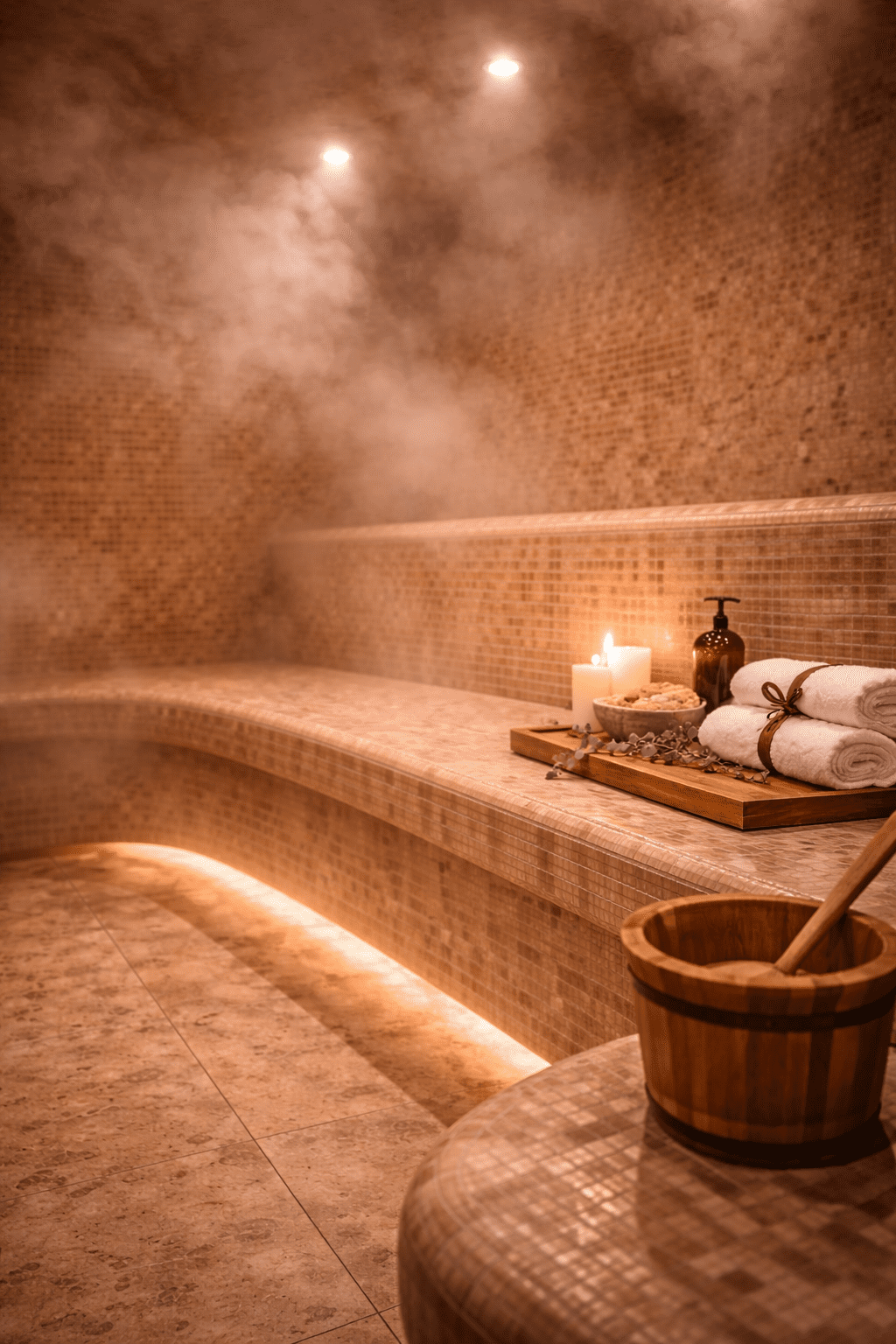
Steam Room Benefits: What Really Happens to Your Body
If you’ve ever walked out of a steam room feeling like a completely different person, you already know that steam room benefits go way beyond just “feeling relaxed.”
Steam rooms deliver real, measurable benefits. The most consistent research points to improved circulation, clearer skin, easier breathing, and faster muscle recovery. Most people feel the relaxation almost immediately, but the deeper cardiovascular and respiratory benefits tend to build over time with regular use.
For generally healthy adults, using a steam room two to three times per week is where these longer-term benefits start to show up more reliably. It’s less about intensity, and more about consistency — short, regular sessions tend to work better than occasional long ones.
Heads up: This post contains affiliate links. If you buy something through them, we may earn a small commission at no extra cost to you — it helps keep the lights on around here. We only recommend things we’d genuinely use ourselves.
Quick Snapshot
- Steam rooms operate at 100–120°F with close to 100% humidity
- Regular sessions support cardiovascular health, skin hydration, and muscle recovery
- Benefits are backed by growing research — not just wellness lore
- Home setup costs range from under $500 (portable) to $5,000+ (built-in generator)
- Maintenance is minimal compared to saunas and hot tubs
- Not suitable for everyone — pregnant women, those with heart conditions, and young children should consult a doctor first

Table of Contents
- What Is a Steam Room and How Does It Work?
- The Core Steam Room Benefits Explained
- What Does It Actually Cost?
- Installation: What You’re Getting Into
- Maintenance Reality
- Pros and Cons
- Steam Room vs. Sauna vs. Hot Tub
- Comparison Table
- Helpful Gear
- FAQ
- Final Verdict
What Is a Steam Room and How Does It Work?
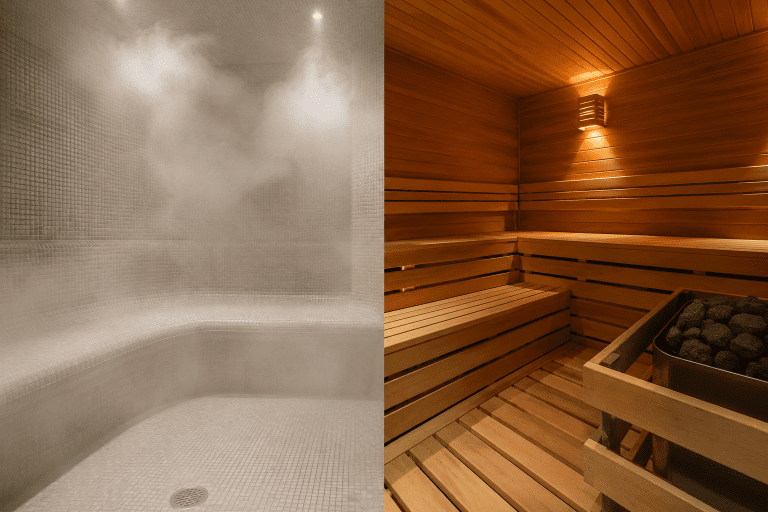
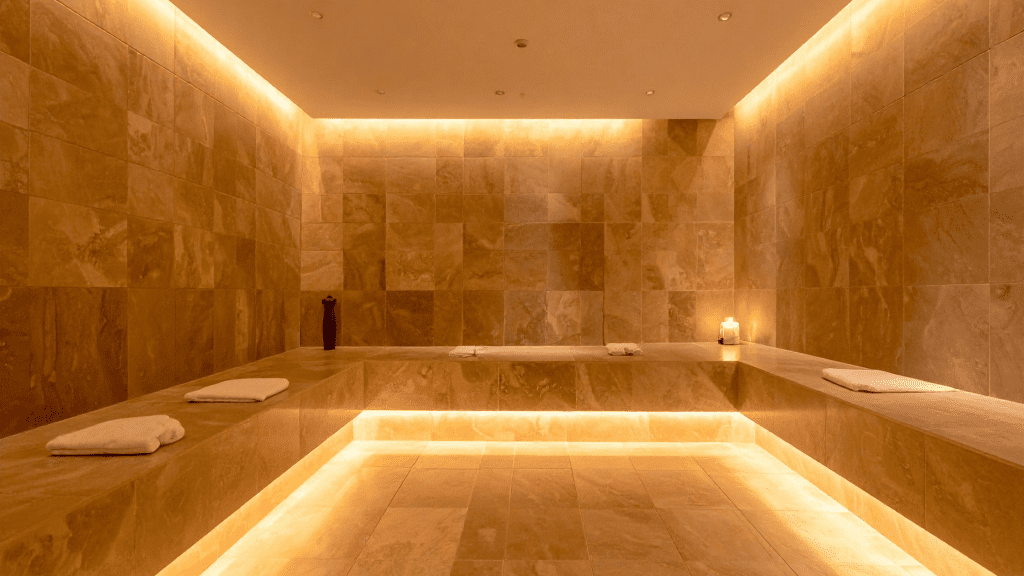
A steam room is an enclosed, usually tiled space that uses a steam generator to fill the air with moist, heated vapor. Unlike a dry sauna — which uses radiant heat from hot rocks or infrared panels — a steam room works through wet heat. Humidity sits at or near 100%, and temperatures are generally lower than a sauna (100–120°F versus a sauna’s 160–200°F), but the moisture makes it feel intensely warm against your skin.
The mechanism is simple: a steam generator heats water until it vaporizes and pumps that steam into a sealed room. Your body responds by sweating, dilating blood vessels, and working harder to regulate its core temperature. That cascade of physiological responses is where most of the real steam room benefits actually come from — and why researchers have been paying closer attention to heat therapy in recent years.
What does a steam room do to your body? When you sit in a steam room, your core temperature rises slightly, triggering your cardiovascular system to work harder, your pores to open, and your muscles to relax. The combination of heat stress and humidity creates a mild but measurable physiological challenge — one your body adapts to over repeated sessions, in much the same way light exercise does.
The Core Steam Room Benefits Explained
1. Cardiovascular Support
This is the most well-researched area of heat therapy. As your body heats up, your heart rate increases and blood vessels dilate — a response that loosely mimics moderate aerobic exercise. Studies indexed on Cleveland Clinic one have explored how repeated heat exposure can improve vascular function and support healthier blood pressure over time in healthy adults.
It is not a replacement for actual cardio — let’s be clear about that. But for people who struggle with intense exercise due to injury, chronic fatigue, or age-related limitations, regular steam sessions may offer meaningful cardiovascular support as part of a broader wellness routine.
2. Respiratory Relief
Steam and airways have gone hand in hand for a long time. There is a reason people have been using steam inhalation for congestion and winter colds for generations. The warm, moist air in a steam room can help loosen mucus, ease breathing, and soothe irritated airways after a run in cold weather or a long dry-air flight.
For people with asthma or more serious respiratory conditions, this gets more nuanced — extreme humidity can be a trigger for some, so always check with your doctor before making steam a regular habit.
3. Skin Hydration and Clarity
Dry saunas can leave your skin feeling parched after a session. Steam rooms are the opposite experience entirely. The humidity bathes your skin in moisture while simultaneously opening your pores — helping to flush out trapped debris, improve skin texture, and leave that genuine post-steam glow that no moisturizer quite replicates.
It is not a cure for acne or chronic skin conditions. But as a consistent practice, steam exposure supports hydration from the outside in a way that most topical products work hard to imitate.
Does a steam room help your skin? Yes — the high humidity opens pores and delivers moisture directly to the skin’s surface, while the heat increases circulation, bringing more oxygen and nutrients to skin cells. Regular steam sessions are associated with improved skin hydration, reduced dryness, and a clearer complexion over time, though individual results vary based on skin type and frequency of use.
4. Muscle Recovery and Joint Mobility
Heat therapy has been used for muscle soreness and joint stiffness for as long as people have had access to hot water. Steam rooms extend that logic beautifully. The combination of deep, penetrating heat and full-body humidity relaxes muscle tissue, reduces perceived soreness, and loosens tight joints in a way a hot shower simply cannot match.
Athletes and active people often use steam rooms post-workout for exactly this reason — and pairing steam with cold exposure compounds the effect. Ice Baths for Muscle Recovery explains how contrast therapy builds on the heat benefits.. If you have ever done an intense lower-body session and then sat in a steam room for 15 minutes afterward, you already understand what we mean.
5. Stress Reduction and Sleep Quality
This one is harder to put a number on but no less real. Heat triggers endorphin release. The forced stillness of a steam room — no notifications, no scrolling, nowhere to be — creates a genuine space for mental decompression. Regular users consistently report lower perceived stress, improved mood, and better sleep quality as part of their steam practice.These are among the most underrated steam room benefits for people who use heat therapy consistently.
6. Immune System Support
There is some evidence that regular heat exposure — including steam — may give your immune system a mild boost. The temporary elevation in body temperature is thought to create an environment less hospitable to certain pathogens, similar to how a fever functions. This is an area where the research is still developing, But it adds another dimension to steam room benefits beyond the more well-known cardiovascular and skin effects.
What Does It Actually Cost?
Let’s be honest about the numbers, because accessing steam room benefits comes at very different price points depending on what you build.
Portable steam tents and capsules are the entry-level option — you can find decent units for $80–$300 on Amazon. They are not the same experience as a proper steam room, but for someone just testing the waters, they work.
Residential steam generator kits — the kind you install in an existing shower enclosure — typically run $500–$2,500 for the generator alone. Add in waterproofing, tiling, a proper door seal, and electrical work, and a full DIY install can land between $1,500–$4,000 depending on your market and whether you are handy.
Professionally installed home steam rooms with custom tile work, benching, and high-capacity generators can push $5,000–$15,000 or more. At that level, you are building something close to what you would find in a high-end gym or spa.
For most people, the sweet spot is the mid-range: a quality steam generator installed into an existing bathroom, handled by a licensed contractor. For a direct cost comparison against a sauna build, Steam Room vs Sauna Cost puts both investments side by side.”It is a meaningful investment, but compared to a hot tub or a fully custom sauna build, it is often the more accessible option.
Installation: What You’re Getting Into
Installing a residential steam room is not a weekend project for most people — but it is also not as complicated as a full sauna build from scratch.
The key requirements are:
A sealed enclosure. Steam needs to stay in the room. That means a properly sealed door (frameless glass doors with a good gasket work well), fully waterproofed walls and ceiling, and no gaps where steam can escape — or worse, reach materials that can mold or warp.
Correct generator sizing. Steam generators are sized by the cubic footage of the room. Too small and your room never gets hot enough. Too large and you burn through water and electricity unnecessarily. Most residential units range from 6kW to 18kW — a properly sized unit for a standard shower conversion is usually in the 7–10kW range.
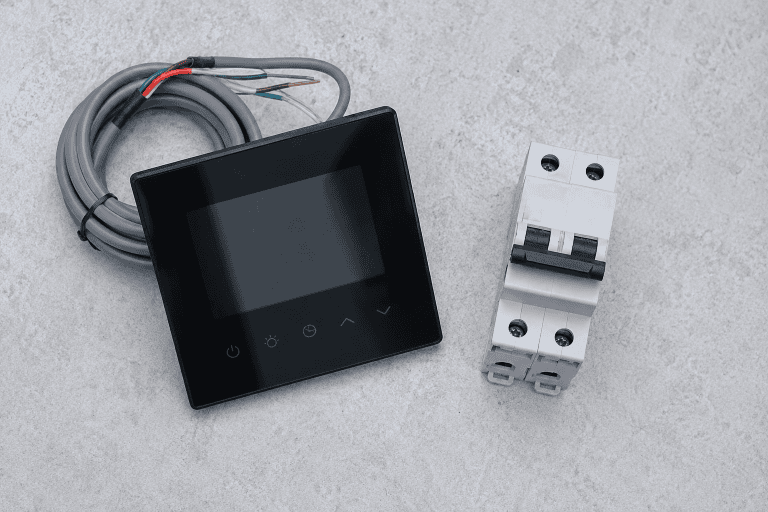
Dedicated electrical circuit. Steam generators require a 240V dedicated circuit in most cases. This is not a plug-in appliance — you will need a licensed electrician involved.
Proper ventilation planning. You do not vent a steam room the way you vent a regular bathroom, but you do need a plan for clearing the room after use to prevent mold buildup. Many setups use a simple exhaust fan on a timer.
If you are handy and experienced with tile work and basic electrical, a DIY installation is achievable. For most people, budgeting for a licensed plumber, electrician, and tile contractor is the right call.
Maintenance Reality
Here is where steam rooms genuinely shine compared to other home wellness investments. Maintenance is straightforward.
After each session: Wipe down the bench and walls. Leave the door slightly open to let the room air out. Run the exhaust fan for 15–20 minutes. That is genuinely it for daily upkeep.
Monthly: Check the steam generator’s water supply line for mineral buildup. If you are in a hard water area, you may need to flush the generator more frequently — most units have a self-flush cycle that you can run manually or set on a schedule.
Annually: Inspect tile grout and door seals. Grout can crack over time with repeated heat and moisture cycling. Catching small cracks early is far cheaper than letting moisture get behind the tile.
Generator lifespan: A quality residential steam generator lasts 10–15 years with proper care. Descaling — removing mineral buildup from the heating element — is the single most important maintenance task. In hard water areas, doing this every 3–6 months extends the generator’s life significantly.
Compared to a hot tub (chemical balancing, filter changes, water replacement every 3–4 months) or a wood-burning sauna (ash removal, wood sourcing, yearly inspections), the steam room is the low-maintenance option of the group.
Pros and Cons
Pros
- Deep, penetrating moist heat that feels different from any other recovery tool
- Skin hydration benefits that dry saunas and infrared options cannot match
- Cardiovascular and respiratory support backed by real research
- Relatively low ongoing maintenance once installed
- Can be added to an existing bathroom with the right setup
- Year-round usability — equally appealing in January and July
Cons
- Initial installation cost is significant for a built-in unit
- Requires professional electrical and plumbing work in most cases
- Not suitable for people with certain heart conditions, low blood pressure, or during pregnancy
- Hard water areas require more frequent generator maintenance
- The sealed, high-humidity environment needs careful attention to prevent mold if not aired out properly
- Session lengths need to be managed — most health guidance suggests 15–20 minutes maximum per session
Steam Room vs. Sauna vs. Hot Tub
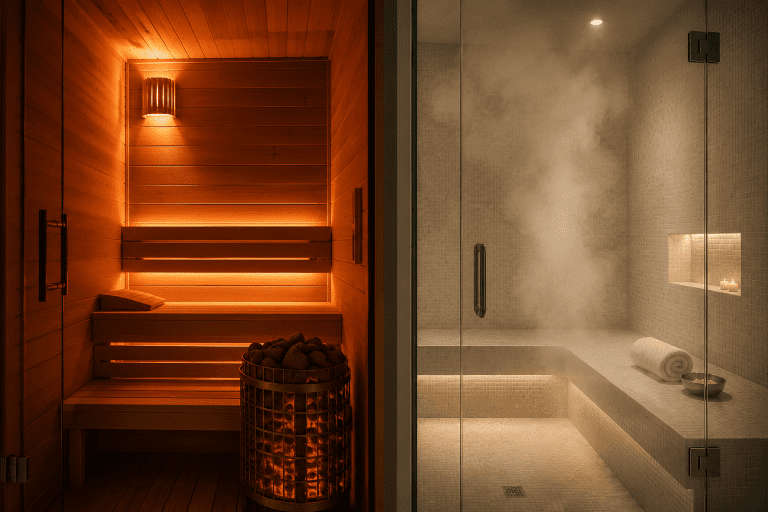
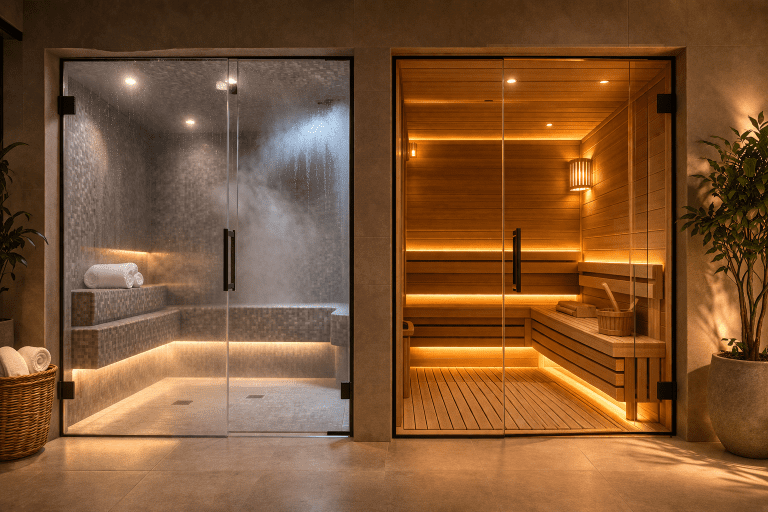
Each of these three has a different feel, a different mechanism, and a slightly different benefit profile. Here is how they actually compare.If heat-up time is a factor in your decision, Steam Room vs Sauna Heat Up Time breaks down exactly how long each takes to be session-ready.
Steam rooms deliver moist heat at lower temperatures. The humidity is the defining factor — your skin absorbs moisture rather than losing it, and the wet air penetrates muscles and airways in a way dry heat does not. Best for: skin health, respiratory relief, post-workout recovery, and people who find dry heat too intense.
Saunas use dry radiant heat at much higher temperatures (160–200°F). The intensity drives a stronger cardiovascular response and more dramatic sweating. The heat stress is more pronounced, and the research base — particularly around traditional Finnish saunas — is extensive. Best for: deep cardiovascular conditioning, heavy detox sweating, and users who prefer an intense heat experience.
Hot tubs use warm water (100–104°F) with hydrotherapy jets. The water immersion provides buoyancy that takes pressure off joints, and the jets deliver targeted muscle massage. It is the most social of the three options and the most accessible entry point for most households. Best for: joint pain, arthritis, social relaxation, and anyone who wants the benefits of warmth without intense heat stress.
None of them is objectively better — they serve different purposes and different preferences. Many serious wellness enthusiasts eventually end up with two or more of these in their routine.
Comparison Table
| Feature | Steam Room | Dry Sauna | Hot Tub |
|---|---|---|---|
| Temperature | 100–120°F | 160–200°F | 100–104°F |
| Humidity | ~100% | 5–20% | N/A (water) |
| Skin hydration | Excellent | Poor | Good |
| Cardiovascular benefit | Moderate–High | High | Moderate |
| Muscle recovery | Very good | Very good | Excellent (jets) |
| Respiratory benefit | High | Low | Low |
| Installation cost | $1,500–$10,000+ | $3,000–$15,000+ | $5,000–$20,000+ |
| Maintenance level | Low | Low–Medium | High |
| Session length | 15–20 min | 15–30 min | 20–45 min |
| Year-round use | Yes | Yes | Yes |

Helpful Gear
You do not need much to get the most out of a steam room — but a few things make the experience noticeably better.
1. Steam Room Eucalyptus Oil A few drops added to the steam generator’s aroma port (if your unit has one) or diffused nearby transforms the session. Eucalyptus opens airways and makes the whole experience feel like a proper spa.
2. Waterproof Teak Bath Bench or Stool If you are using a steam shower conversion, a proper teak bench or stool is a genuine quality-of-life upgrade. Teak handles moisture better than almost any other wood and does not get uncomfortably hot.
3. Silicone Body Brush The open pores and increased circulation during a steam session make it the ideal time to brush your skin. A silicone body brush is easy to clean, does not harbor bacteria the way natural bristle brushes can in high humidity, and helps maximize the skin-clearing benefit.
FAQ
How long should you stay in a steam room? For most healthy adults, 15–20 minutes per session is the sweet spot. Beyond that, you risk dehydration, dizziness, or overheating — particularly if the room is well-sealed and running at full temperature. Beginners should start at 8–10 minutes and build up gradually. Always drink water before and after. If you feel lightheaded at any point, leave the room immediately and cool down slowly.
Are steam room benefits different from sauna benefits? Yes — meaningfully so. Both deliver heat therapy, but the mechanisms differ. Steam rooms add the dimension of full humidity, which benefits skin hydration and respiratory health in ways dry saunas cannot. Saunas, on the other hand, reach higher temperatures and tend to drive a more intense cardiovascular response. The research base for traditional saunas is currently more extensive, but steam therapy has a long clinical history of its own, particularly in respiratory and dermatological contexts.
Can you use a steam room every day? For most healthy adults, daily use at moderate session lengths (10–15 minutes) appears to be safe and may be beneficial. However,For the full breakdown on session frequency, How Often Should You Use a Steam Room gives the honest answer on what actually works.. if you have cardiovascular disease, low blood pressure, or are pregnant, you should not use a steam room without medical clearance. Listen to your body — some people feel best with 3–4 sessions per week rather than daily. Staying well hydrated is non-negotiable regardless of frequency.
The simple rule: hydrate before, limit sessions to 20 minutes, and cool down slowly afterward — every time.
Summary Snapshot
- Steam room benefits are real and well-supported: cardiovascular health, skin hydration, respiratory relief, muscle recovery, and stress reduction
- Moist heat at 100–120°F creates a unique physiological response that dry saunas and hot tubs cannot replicate
- Installation costs vary widely — from affordable portable options to full residential builds
- Maintenance is genuinely low compared to other home wellness investments
- Not right for everyone — check with a doctor if you have heart conditions, low blood pressure, or are pregnant
- Used consistently and safely, a steam room is one of the most effective recovery tools you can add to your home
Final Verdict
Steam room benefits are not overhyped wellness marketing — they are grounded in how your body actually responds to sustained moist heat. The cardiovascular support, skin hydration, respiratory relief, and muscle recovery effects are real and repeatable. And unlike a lot of wellness trends, steam therapy has been around long enough across enough cultures to carry genuine weight.
The barrier is the upfront cost and the installation commitment. That is a real consideration. But if you are serious about recovery, skin health, and long-term cardiovascular wellness — and you want something that requires almost no ongoing effort once it is in — a steam room deserves a serious look.
For people who are not ready for a full install, a quality portable steam capsule is a legitimate starting point. The experience is not quite the same, but the core physiological benefits largely carry over.
If you are ready to explore your options — whether that is a portable unit, a steam generator kit, or a full built-in setup — we have done the work of narrowing down the best picks.
If you’re comparing heat therapy options, our sauna guides explore the dry heat approach, including setup considerations, running costs, and simple session routines.
For contrast therapy, pairing steam with cold exposure is worth exploring — our cold plunge guides break down the recovery science and how to apply it safely.