How Often Should You Use a Steam Room? The Honest Answer
How often should you use a steam room? There isn’t one medically established weekly frequency that suits everyone. For a healthy adult, a sensible approach is to start conservatively, keep sessions relatively short, and adjust the frequency according to how well you tolerate the heat.
Regular steam-room use can be an enjoyable part of a wellness routine, but more isn’t automatically better. Session length, hydration, heat tolerance, medications and existing health conditions can all affect what’s appropriate for you.
Heads up: Some links in this post are affiliate links. If you buy through them, Sunrise & Vitalize may earn a small commission at no extra cost to you.
Quick Snapshot
- There is no universally established “best” number of steam-room sessions per week.
- Beginners should start with short, occasional sessions and see how they respond.
- Keep sessions relatively short rather than trying to tolerate the heat for as long as possible.
- Hydration and heat tolerance matter more than chasing a particular weekly number.
- Leave immediately if you feel dizzy, lightheaded, nauseous or unusually uncomfortable.
- If you have a medical condition, are pregnant, or take medication that could affect your response to heat, ask a healthcare professional for individual guidance.
Table of Contents
- What Steam Room Frequency Actually Means for Your Body
- How Often Should You Use a Steam Room: The Real Answer
- What Does Regular Steam Room Use Cost You?
- Getting Set Up: What You Need to Know First
- Keeping Your Steam Room Healthy Between Sessions
- Pros and Cons of Steam Room Use
- Steam Room vs Sauna: Which Should You Use More Often?
- Comparison at a Glance
- Helpful Gear Worth Having
- Frequently Asked Questions
- The Simple Rule
- Final Verdict
What Steam Room Frequency Actually Means for Your Body
Steam rooms expose your body to warm, highly humid air. In response to the heat, your heart rate can increase and blood vessels near the skin widen as your body works to regulate its temperature.
That doesn’t mean longer or more frequent sessions automatically produce greater benefits. Heat tolerance varies between people, and dehydration, dizziness or lightheadedness can occur if you stay in too long.
Medical guidance also recommends keeping heat sessions limited, staying hydrated and leaving if you begin to feel dizzy or unwell.
This is why steam-room frequency is better treated as an individual tolerance question rather than a target you need to hit. Start conservatively, stay hydrated and pay attention to how you feel during and after each session.
If you want to understand the wider evidence around steam and heat exposure, our steam room health benefits guide looks at the potential benefits and limitations in more detail.
Steam rooms don’t need to be an endurance test. Comfort and sensible heat exposure matter more than chasing a particular number of sessions.
How Often Should You Use a Steam Room: The Real Answer
There isn’t a universally established number of steam-room sessions per week that’s right for every healthy adult. How often you use one should depend on your experience with heat, session length, hydration and how your body responds.
If you’re new to steam rooms, start conservatively. A short session gives you a chance to see how you tolerate the combination of heat and high humidity without turning the experience into an endurance test.
As you become accustomed to steam-room use, you can adjust your routine gradually. Some people may be comfortable using a steam room several times a week, while others prefer less frequent sessions. There’s no need to force yourself toward a particular weekly target.
Daily use isn’t something you need to aim for either. More frequent heat exposure also means more opportunities for dehydration, dizziness or lightheadedness, particularly if sessions are long or you’re not replacing fluids adequately.
Whatever your routine, leave the steam room if you feel dizzy, faint, nauseous or unusually uncomfortable. If you have a medical condition, are pregnant, or take medication that may affect your response to heat, get individual medical advice before making frequent steam-room sessions part of your routine.
What Does Regular Steam Room Use Cost You?
If you use a steam room at a gym, spa or health club, the main cost is usually your membership or entry fee. Whether that represents good value depends on how often you visit and what other facilities you use.
A home steam room involves a much larger upfront investment. The total cost can include the steam generator, electrical work, plumbing, waterproofing, controls and professional installation. The final price varies considerably depending on the size of the space and the work your home requires.
Running costs also vary. A larger generator, longer sessions and more frequent use will generally consume more electricity and water than occasional shorter sessions.
Maintenance should also be included in the long-term budget. Depending on the system and local water quality, this can include routine cleaning, descaling and occasional servicing.
If you’re comparing home ownership with paying for steam-room access elsewhere, look at the total installation and running costs rather than assuming a home system will automatically become cheaper after a certain number of years.
Getting Set Up: What You Need to Know First
If you’re considering a home steam room, there are a few installation requirements to work through before your first session.
A residential steam generator needs a water supply and a suitable electrical connection. Electrical requirements vary by generator, with residential systems commonly using 208V or 240V power, so the manufacturer’s specifications should determine the circuit requirements. Professional electrical and plumbing work may be required, and local permits or inspections can also apply.
The steam enclosure itself needs to be properly enclosed, sealed and constructed with materials suitable for sustained heat and moisture. A suitable waterproofing or vapor-management system is particularly important behind the finished surfaces.
Ventilation also needs to be planned correctly. Rather than placing a standard HVAC vent inside the steam enclosure, follow the steam-system manufacturer’s guidance for managing moisture and ventilating the surrounding bathroom after use.
If you’re using a gym or spa steam room, the installation work has already been handled for you. Bring suitable footwear and a towel, follow the facility’s rules and leave the steam room if you begin to feel unwell.
Keeping Your Steam Room Healthy Between Sessions
A steam room needs regular cleaning because warm, humid conditions can encourage microbial growth if surfaces aren’t properly maintained.
For a home steam room, follow the manufacturer’s cleaning instructions for the surfaces and fixtures in your enclosure. Wiping down wet surfaces after use and allowing the surrounding bathroom to dry properly can help manage lingering moisture.
The steam generator may also need periodic descaling or flushing to remove mineral buildup. How often this is required depends on the generator, how frequently it’s used and your local water quality, so follow the maintenance schedule provided by the manufacturer rather than relying on a fixed interval.
It’s also worth periodically checking grout, seals and other joints for signs of deterioration or moisture problems so they can be dealt with before they become more serious.
In a gym or spa, cleaning and generator maintenance are the facility’s responsibility. Choose a facility that appears well maintained and follow any hygiene rules it provides.
Pros and Cons of Steam Room Use
Pros
- Warm, humid air may temporarily help some people feel less congested
- Heat can increase blood flow near the skin while you’re in the steam room
- May feel soothing after exercise and help you relax
- Provides a warm, humid environment that some people find comfortable for their skin
- Can be an enjoyable way to unwind as part of a wellness routine
- Home systems can have relatively modest running costs once installed, although this varies by generator and usage
Cons
- Heat exposure can contribute to dehydration, dizziness or lightheadedness
- Steam rooms aren’t appropriate for everyone, particularly where certain medical conditions or medications affect heat tolerance
- Home installation can involve significant upfront costs
- Regular cleaning and generator maintenance are required
- Longer or more frequent sessions aren’t automatically more beneficial
Steam Room vs Sauna: Which Should You Use More Often?
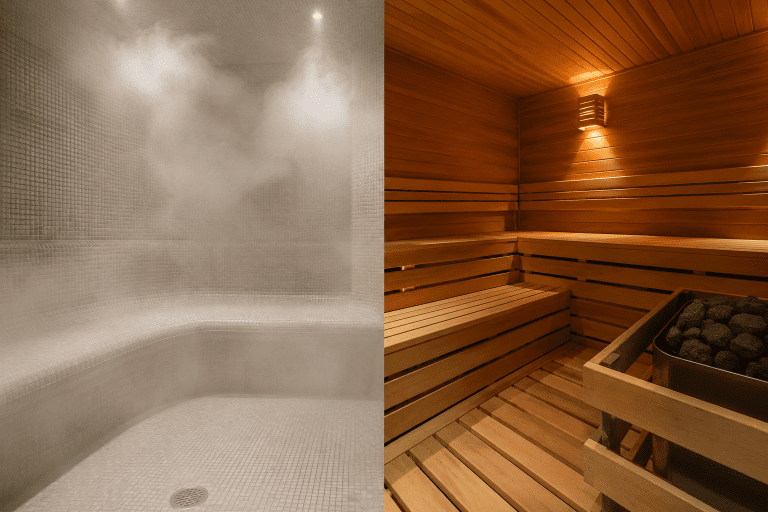
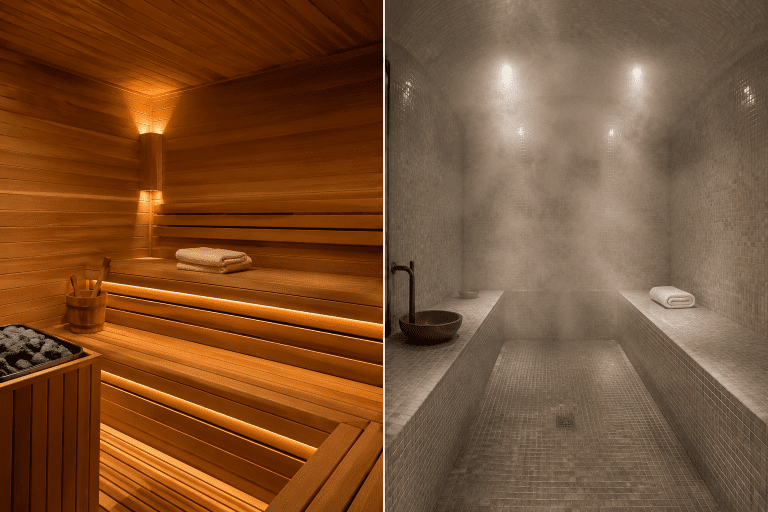
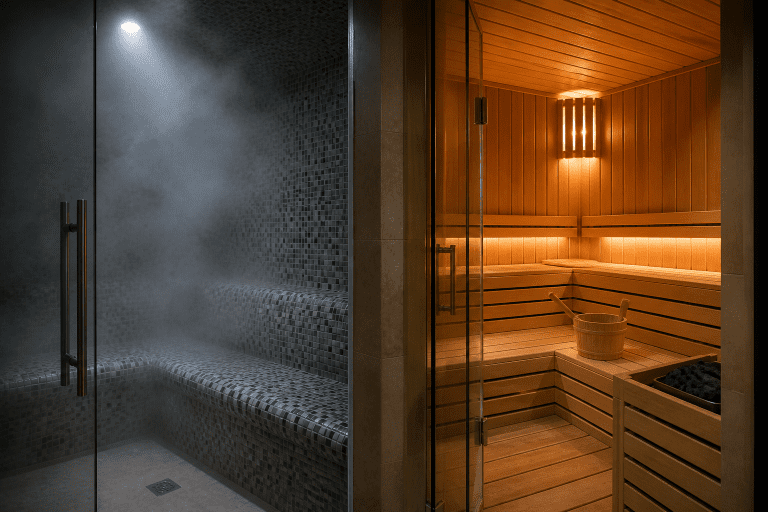
Steam rooms and saunas both expose the body to heat, but they create very different environments. Traditional saunas use much hotter, relatively dry air, while steam rooms operate at lower temperatures with very high humidity.
Neither is automatically better. The right choice largely comes down to which environment you find more comfortable and what type of heat experience you prefer.
Some people prefer the humid air of a steam room, particularly when dry heat feels uncomfortable. Others prefer the higher temperatures and lower humidity of a traditional sauna. If you’re comparing the two, our Steam Room vs Sauna Health Benefits guide looks more closely at what each type of heat exposure may — and may not — offer.
There isn’t a single weekly frequency that everyone should follow for either steam rooms or saunas. Start conservatively, follow the facility or manufacturer’s guidance, stay hydrated and adjust your routine according to how you tolerate the heat.

| Steam Room | Traditional Sauna | |
|---|---|---|
| Heat | Lower-temperature, humid heat | Higher-temperature, drier heat |
| Humidity | Very high | Low |
| Frequency | No universal weekly target | No universal weekly target |
| Session length | Start conservatively and follow manufacturer/facility guidance | Start conservatively and follow manufacturer/facility guidance |
| Experience | Warm, humid environment | Hotter, drier environment |
| Home setup | Generator, water supply, electrical work and steam-ready enclosure | Sauna heater and suitable sauna enclosure |
| Best suited to | People who prefer humid heat | People who prefer dry heat |
Helpful Gear Worth Having
Items that make regular steam room sessions more comfortable and consistent.
Microfibre towels — Useful for keeping a dedicated towel handy for regular steam-room sessions.
Sauna seat cushion mat — comfort on tiled or wooden benches, and rinses clean in seconds.
Frequently Asked Questions
How often should you use a steam room for skin benefits?
There isn’t an established weekly frequency specifically for skin benefits. Steam can leave skin feeling warm and hydrated temporarily, but more frequent sessions don’t necessarily mean better results. If your skin becomes dry, irritated or uncomfortable, reduce your exposure and follow your normal skincare routine afterwards.
How often should you use a steam room for general wellness?
There isn’t one ideal frequency for everyone. Start conservatively and adjust according to your heat tolerance, hydration and how you feel during and after each session. Regular use should feel comfortable rather than something you need to push through.
Is it safe to use a steam room after a workout?
Heat exposure immediately after exercise can add to fluid loss and may make dizziness or lightheadedness more likely. Cool down, rehydrate and make sure you feel fully recovered from your workout before considering a steam-room session. Leave immediately if you feel unwell.
How long before you see results from regular steam room use?
There’s no reliable timetable for experiencing health benefits from regular steam-room use. Some effects, such as feeling warm or relaxed, may be noticeable during or shortly after a session, but claims about specific benefits appearing after a set number of weeks aren’t well established.
The Simple Rule
Start conservatively, stay hydrated and pay attention to how your body responds. There’s no weekly number you need to reach. Comfortable, sensible use is more important than forcing longer or more frequent sessions.
Summary Snapshot
- There is no universally established ideal number of steam-room sessions per week.
- Start conservatively if you’re new to steam rooms and adjust according to how you tolerate the heat.
- Stay properly hydrated and avoid treating longer sessions as automatically better.
- Leave the steam room if you feel dizzy, lightheaded, nauseous or otherwise unwell.
- Follow the facility or steam-system manufacturer’s guidance on session length and use.
- If you have a medical condition, are pregnant, or take medication that may affect your response to heat, get individual medical advice before making steam-room use a regular habit.

Final Verdict
How often should you use a steam room? There isn’t one weekly number that’s right for everyone. Your routine should depend on your heat tolerance, hydration, health and how you feel during and after each session.
If you’re new to steam rooms, start conservatively rather than trying to hit a particular frequency or session length. As you become more familiar with the heat and humidity, you can adjust your routine according to how well you tolerate it.
More isn’t automatically better. Stay hydrated, follow the facility or manufacturer’s guidance, and leave the steam room if you feel dizzy, lightheaded, nauseous or otherwise unwell.
Used sensibly, a steam room can be an enjoyable part of a wellness routine without turning frequency into another target you need to chase.