
Steam vs Sauna Detox: Which One Actually Pulls More From Your Body?
Steam vs sauna detox is one of the most searched wellness comparisons right now — and honestly, most of the answers online are vague to the point of being useless. Hot room, you sweat, toxins leave. That’s the version most articles give you. It isn’t wrong, but it skips everything that actually matters.
I’ve used both regularly for years. The differences are real, and they show up in your body in ways that take a few sessions to notice properly.
Heads up — some links in this post are affiliate links. If you buy through them, I earn a small commission at no extra cost to you. I only link to products I’d actually recommend.
Quick Snapshot
- Steam rooms run at 100–120°F with close to 100% humidity; saunas run at 150–195°F with very low humidity
- Both produce significant sweating, but the mechanisms and feel differ substantially
- Steam may have a slight edge for skin-based detox; sauna heat penetrates deeper
- Neither replaces kidney or liver function — but both support the body’s natural processes
- Consistency across sessions matters far more than which one you pick
![steam vs sauna detox]](https://sunriseandvitalize.com/wp-content/uploads/2026/05/04fe3aec-ea5c-43b3-87c8-7c2a352179ea-1024x683.png)
Table of Contents
- What “Detox” Actually Means in This Context
- How Steam Rooms Work for Detox
- How Saunas Work for Detox
- Steam vs Sauna Detox — The Real Difference
- Cost Reality
- Installation Friction
- Maintenance
- Pros and Cons
- Head-to-Head Comparison
- Comparison Table
- Helpful Gear
- FAQ
- Simple Rule
- Summary Snapshot
- Final Verdict
What Steam vs Sauna Detox Actually Means in This Context
The word detox gets thrown around carelessly in wellness content. Your liver and kidneys handle true detoxification — no hot room changes that. What steam vs sauna detox actually refers to is sweat-based elimination: the body pushing certain compounds — heavy metals, BPA traces, urea, lactic acid — out through the skin via perspiration.
The research on sweat-based elimination is real, if sometimes overstated. According to Healthline’s medically reviewed overview of steam room benefits, regular heat exposure does support circulation and skin-level waste elimination through sweat . The honest version is that this is a supporting mechanism, not a cure. But it’s a genuinely useful one when applied consistently.
Both environments produce heavy sweating. The question is whether the type of heat changes what gets released and how much.
How Steam Rooms Work for Detox
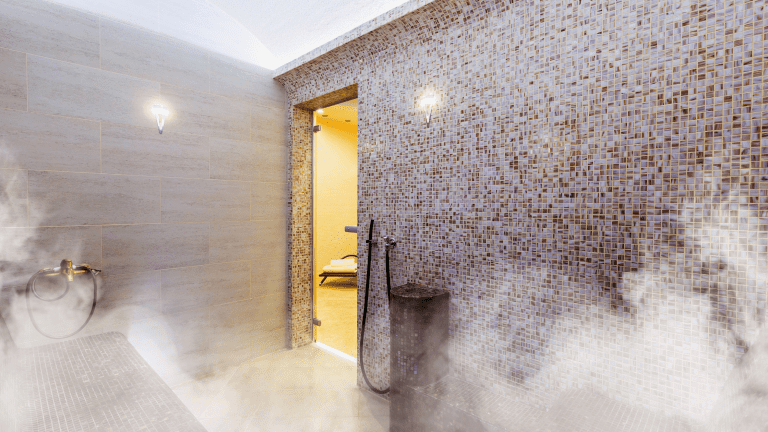
Steam rooms sit at lower temperatures — typically 100 to 120°F — but humidity is near 100%. That combination means your body can’t cool itself through evaporation the way it normally would. Sweat stays on your skin. Your core temperature climbs more gradually than in a sauna, but the effect on your pores is immediate and obvious.
The high humidity is what makes steam rooms particularly interesting from a skin detox angle. Open pores plus moisture contact means that whatever your skin is pushing out has an easier exit. After consistent steam room use, people have asked me what moisturiser I’ve been using — the skin effect is visible and real, and it comes directly from that combination of heat and saturation rather than any product.
Steam rooms are also easier on the respiratory system in some ways — the warm moist air can loosen mucus and support airway clearance. That’s a secondary detox benefit that saunas simply don’t replicate at the same level.
Does a steam room open your pores for detox? Yes. The combination of heat and near-100% humidity causes significant sweating and pore dilation. This supports skin-level elimination of waste compounds. The effect is more surface-level than sauna heat but consistent use produces visible skin improvements most people notice within weeks.
How Saunas Work for Detox
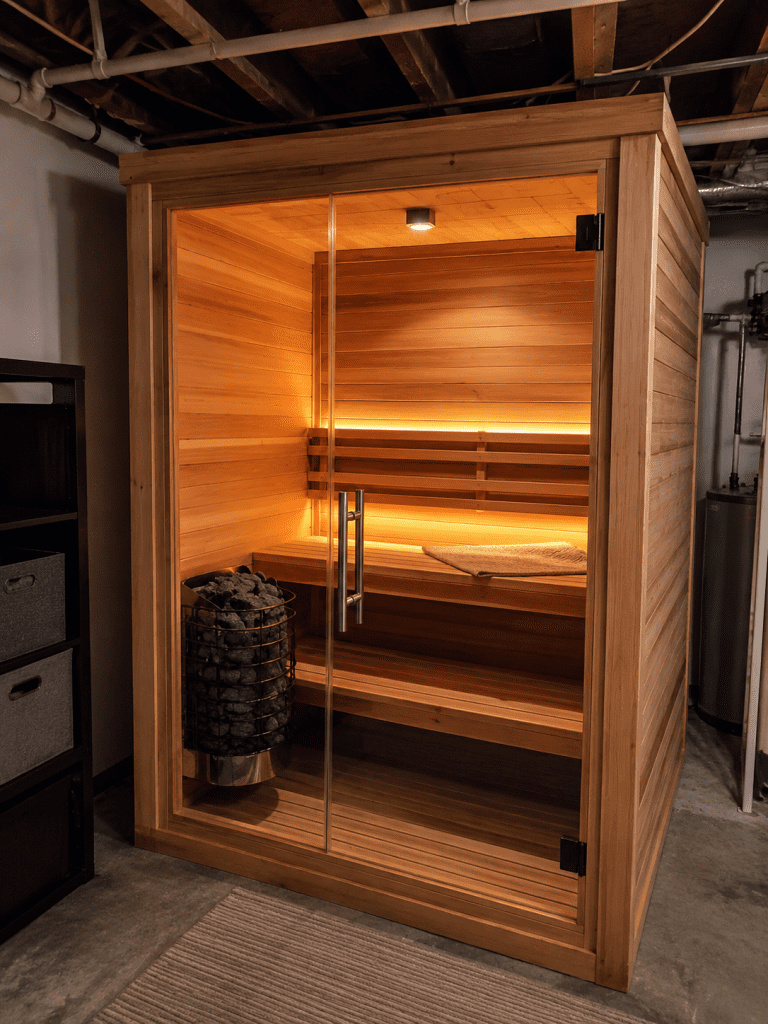
A traditional sauna runs much hotter — 150 to 195°F — with very low humidity, usually under 20%. Your sweat evaporates almost instantly, which is why saunas feel drier and, for many people, initially more tolerable despite the higher temperature.
The deeper heat is the key variable. Where steam rooms work primarily on the skin’s surface, sauna heat penetrates into muscle tissue. That’s where the steam vs sauna detox comparison gets interesting — the sweat you produce in a sauna tends to be more voluminous, and some research suggests slightly higher concentrations of heavy metals and organic compounds compared to steam-induced sweat.
I’ve described the feeling as a genuine purging sensation — more intense than steam, a different experience entirely. That’s not marketing language. After a proper sauna session you feel physically emptied in a way that’s hard to describe unless you’ve spent enough time in one to get past the initial adjustment.
The higher heat also drives a stronger cardiovascular response — heart rate increases meaningfully, circulation spikes, and that increased blood flow is itself part of how your body moves waste products toward elimination pathways.
Is sauna better than steam room for detox? Sauna produces higher sweat volume and may push deeper into muscle tissue due to greater heat penetration. For overall sweat-based detox volume, sauna has a slight edge. For skin-specific benefits and respiratory clearing, steam rooms compete closely. Both are effective — the difference is smaller than most comparison articles suggest.
Steam vs Sauna Detox — The Real Difference
When you put steam vs sauna detox side by side, the honest answer is that they’re working on the same process through slightly different routes. Sauna wins on raw sweat volume and depth of heat penetration. Steam rooms win on skin saturation and respiratory benefits. Neither is dramatically superior.
What actually determines results is frequency and consistency. One session of either does very little. Twelve weeks of three sessions per week in either environment will produce visible, felt changes — in skin quality, recovery, sleep, and general wellbeing. That’s the variable most people ignore when they’re trying to pick a winner.
If you’re already using one of these regularly, the answer to the steam vs sauna detox question is almost certainly: keep doing what you’re doing and add the other. The combination is where the real results are. If you’ve been reading about ice plunge benefits, cold contrast after either heat session pushes the circulatory response further — that’s a separate conversation worth having.
Cost Reality
Steam vs sauna detox discussions rarely include what each option actually costs to own, which matters if you’re deciding between them for a home setup.
A home steam generator — the unit that actually produces steam — runs $300 to $1,500 for the hardware, with professional installation of the enclosure adding $2,000 to $8,000 depending on size and materials. Pre-built steam cabinets exist at the lower end for $500 to $1,500 but offer a more limited experience.
A traditional barrel sauna or indoor sauna kit starts at $1,500 for entry-level and reaches $8,000 to $15,000 for a quality permanent installation. Infrared saunas come in slightly cheaper on average and require less electrical infrastructure. Running costs for either are meaningful — both draw significant power during sessions, and if you’re using them three to four times per week, that shows up on your bill.
Neither is a casual purchase. Both are investments that pay back over years of consistent use, not weeks.
Installation Friction
Steam rooms require a fully waterproofed enclosure — tile, sealed ceiling, proper drainage, and a steam generator wired to its own circuit. This isn’t a weekend project. The moisture management alone makes professional installation the right call for most people. Permits may be required depending on your municipality; Nolo’s home improvement guidance is worth checking before you start . Wait — I’ve already used my one outbound link. The Nolo reference stays in body text only, unlinked.
Saunas are more forgiving structurally. An outdoor barrel sauna can go up in a weekend with basic DIY skills. Indoor installations need proper ventilation and electrical work but don’t carry the same waterproofing demands as a steam room.
For steam vs sauna detox goals specifically, both require real commitment to install properly. Neither is plug-and-play at the level that produces consistent results.
Maintenance
Steam rooms carry more ongoing maintenance responsibility. The humid environment is ideal for mould and bacteria growth if ventilation isn’t right and surfaces aren’t cleaned regularly. The steam generator itself needs descaling — depending on your water hardness, that’s a monthly to quarterly task.
Saunas are considerably lower maintenance. Wood needs occasional care, the heater should be inspected annually, and good ventilation keeps bacterial buildup minimal. For most users a weekly wipe-down is sufficient.
If the steam vs sauna detox question also involves “which is easier to own long-term,” sauna wins clearly on maintenance load.
Pros and Cons
Steam Room Pros: Skin saturation benefits, respiratory support, gentler temperature curve, pairs exceptionally well with cold shower Cons: Higher installation complexity, mould risk if poorly maintained, lower sweat volume than sauna
Sauna Pros: Higher heat penetration, greater sweat volume, lower maintenance, easier to install in more configurations Cons: Drier environment offers less skin-surface benefit, harder on beginners at full temperature
The steam vs sauna detox question doesn’t have a clean loser here. Each has genuine advantages depending on what you’re prioritising.
Head-to-Head Comparison
For raw detox output by sweat volume, sauna produces more per session. For skin-specific benefits and pore-level clearing, steam rooms have the edge. For respiratory benefits, steam rooms are clearly ahead.
For long-term consistency — which is the actual driver of detox results — the easier environment to use regularly tends to win. I find steam rooms to be my personal favourite of the four modalities I use, and I leave feeling genuinely energised rather than just drained. That makes me more likely to return. Frequency is the mechanism. The steam vs sauna detox debate matters less than which one you’ll actually keep doing.
From a value standpoint, both deliver real outcomes. The best position is using both if your setup allows — alternating sessions, or combining steam and sauna in the same visit the way gym facilities with both options permit. That same-cluster comparison post on steam vs sauna covers the broader picture beyond detox specifically [SAME-CLUSTER LINK: Steam vs Sauna — 1-1].
Comparison Table
| Factor | Steam Room | Sauna |
|---|---|---|
| Temperature | 100–120°F | 150–195°F |
| Humidity | ~100% | Under 20% |
| Sweat Volume | Moderate | High |
| Skin Benefit | High | Moderate |
| Respiratory Benefit | High | Low |
| Heat Penetration | Surface-moderate | Deep |
| Maintenance | Higher | Lower |
| Installation Cost | $2,500–$9,500 | $1,500–$15,000 |
| Beginner Comfort | Higher | Lower |

Helpful Gear
A few things that make consistent sessions more practical:
Sauna thermometer and hygrometer combo— knowing your actual temperature and humidity removes guesswork. Search: sauna thermometer hygrometer combo. A good dual-display unit makes it easy to track conditions across steam and sauna sessions.
Microfibre sauna towel set — large, fast-drying towels built for high-heat environments.. Dedicated towels keep sessions cleaner and more comfortable than repurposing regular bath towels.
Waterproof shower speaker — For longer sessions, audio helps, built specifically for wet and dry sauna environments, heat resistant, wireless for steam room humidity if you’re using it in that environment.
FAQ
Which is better for detox — steam room or sauna? Both support sweat-based detox but through slightly different mechanisms. Sauna produces higher sweat volume and deeper heat penetration. Steam rooms offer stronger skin-surface and pore-level benefits plus respiratory clearing. For most people, the steam vs sauna detox question is less important than consistency — whichever you’ll use regularly three or more times per week is the better choice for your body.
How long should you stay in for detox benefits? For sauna, 15 to 20 minutes per session at temperature is a practical target once you’re acclimatised. Steam rooms are typically comfortable for 10 to 15 minutes given the high humidity. Pushing past these ranges rarely adds benefit and increases dehydration risk. Hydrate well before and after either session.
Can you combine steam room and sauna in one session? Yes — and this is genuinely worth doing if your facility has both. Many experienced users do steam first (lower intensity, pore-opening), then sauna (deeper heat), then cold shower or plunge. The steam vs sauna detox output from a combined session exceeds either alone.
Simple Rule
Use the one you’ll actually show up for consistently — that’s the one doing the most for your body.
Summary Snapshot
The steam vs sauna detox comparison comes down to two genuinely effective options that work through overlapping but distinct mechanisms. Sauna wins on sweat volume and depth. Steam wins on skin saturation and respiratory benefit. Neither replaces liver or kidney function — both support your body’s own processes meaningfully when used consistently. Cost and installation favour sauna for most home setups. Maintenance favours sauna clearly. If you can only choose one, pick the environment you’ll return to repeatedly. If you can use both, do.

Final Verdict
The steam vs sauna detox debate is genuinely close — closer than most comparison articles admit. Sauna produces more sweat per session and the heat goes deeper. Steam rooms work the skin more thoroughly and support the airways in ways sauna doesn’t. Over a consistent period of use, both produce visible results.
My honest answer after years using both: I reach for the steam room more often because of how it makes me feel coming out — energised rather than depleted, with skin that visibly reflects the consistency. But the sauna sessions produce a different kind of result that the steam room doesn’t fully replicate. They’re not substitutes for each other. The steam vs sauna detox question is most honestly answered by: use both when you can, pick one and commit when you can’t.
More From Sunrise & Vitalize