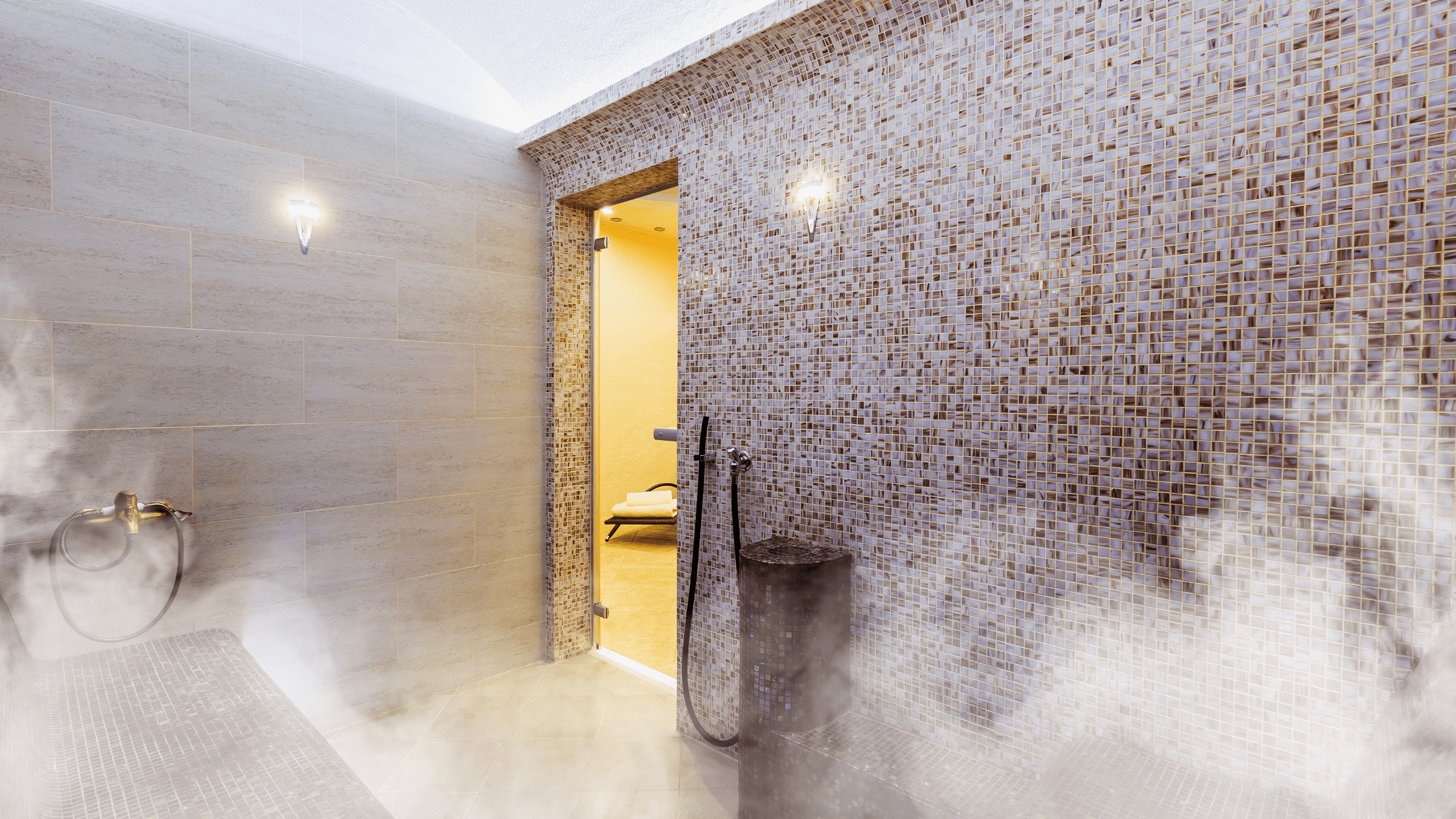
Steam Room for Stress Relief: Does It Actually Work?
Steam room for stress relief is one of those wellness claims that sounds almost too simple — sit in a warm, humid room and feel better.
And honestly? There’s more behind it than most people expect.
Heads up: This post contains affiliate links. If you buy through them, we may earn a small commission at no extra cost to you. We only recommend products we’d genuinely use ourselves.
Quick Snapshot
- Steam rooms use moist heat (100% humidity, 110–115°F) that relaxes muscles and calms the nervous system
- Heat exposure triggers endorphin release and lowers cortisol over time
- Sessions of 10–20 minutes are the sweet spot for stress relief without overdoing it
- Best used 2–4 times per week for consistent mood benefits
- Not suitable for people with certain heart conditions or low blood pressure — check with your doctor first
- Cost to build: $3,000–$10,000+ depending on size and generator
Table of Contents
- What Steam Room for Stress Relief Actually Does to Your Body
- How Much Does a Steam Room Cost?
- Installation — What You’re Actually Getting Into
- Keeping Your Steam Room Clean and Running
- Steam Room for Stress Relief: Pros and Cons
- Steam Room vs Sauna for Stress: Which Wins?
- Comparison Table
- Helpful Gear
- FAQs
- Final Verdict
What Steam Room for Stress Relief Actually Does to Your Body
The moment you step into a steam room, your body starts responding. Your heart rate increases slightly, your blood vessels dilate, and your skin begins to sweat.
That physical response is doing something useful for your stress levels — not just making you sweaty.
Heat therapy activates your parasympathetic nervous system, which is the part responsible for rest and recovery. When that kicks in, your body eases out of the fight-or-flight state that most people are running on all day.
According to Healthline’s medically reviewed overview of steam room benefits , steam room sessions can support circulation, ease muscle tension, and promote relaxation — all of which have downstream effects on how stressed you feel.
There’s also the endorphin angle. Heat exposure triggers your body to release endorphins, the same feel-good chemicals released during exercise. That explains why people walk out of a steam room feeling noticeably lighter.
Cortisol — the body’s primary stress hormone — also tends to decrease with regular heat therapy sessions. That’s not magic, it’s physiology.
Does a steam room actually lower stress? Yes, consistent steam room use can lower cortisol and activate the parasympathetic nervous system. Most people notice a shift in mood and tension within a single session, with more sustained benefits building over weeks of regular use.
The humidity matters too. Unlike a dry sauna, the moist heat of a steam room is easier on your airways. If stress triggers tension headaches or sinus pressure, that warm humid air can bring some relief.
If you’re thinking about making steam sessions part of your regular routine, our guide to how often you should use a steam room explains why there isn’t one ideal weekly frequency for everyone.
How Much Does a Steam Room Cost?
Here’s where people often get surprised. A home steam room isn’t as accessible as buying an ice plunge tub or a portable sauna — it typically involves permanent construction.
Entry-level home steam rooms start around $3,000 for a basic prefab unit. Mid-range custom-tiled setups usually land between $5,000 and $8,000. High-end builds with luxury finishes, chromotherapy lighting, and Bluetooth speakers can push past $15,000.
The steam generator itself is a significant chunk — budget $500 to $2,000 depending on the size of the space. A 6×8 foot room needs a more powerful generator than a compact 4×4 unit.
Installation labour adds another $1,500–$4,000+ depending on your location and whether tile, waterproofing, and electrical work are all needed.
What’s the cheapest way to get steam room benefits at home? A steam shower enclosure is the most affordable route — some units start around $800–$1,500 and don’t require permanent construction. They won’t replicate a full steam room experience, but they deliver real heat and humidity for stress relief purposes.
Ongoing costs include electricity (steam generators use 240V and run at 3–8kW), water, and cleaning products. Budget $20–$50 per month in utilities depending on usage.
If you use a gym with a steam room, you’re already set. Many people find that a gym membership with steam access is the most cost-effective way to explore steam room for stress relief before committing to a home build.
Installation — What You’re Actually Getting Into
Installing a home steam room is a multi-trade project. You’ll need a plumber, an electrician, and a tiler at minimum — plus a contractor if you’re building a new space rather than converting an existing bathroom.
The waterproofing step is non-negotiable. Steam penetrates everywhere, and a poorly waterproofed room will rot from the inside within a few years. Cement board substrate, a full waterproof membrane, and properly sealed grout are the standard.
Your steam generator needs a dedicated 240V circuit. That means an electrician who understands the load requirements — this isn’t a DIY job in most states.
Permits are also part of the picture. Building a permanent steam room typically falls under bathroom or home improvement regulations in most US states. Nolo’s guide to home improvement permits is worth checking before you start.
The good news is that installation timelines are faster than people expect. A straightforward bathroom conversion to a steam room can take as little as one to two weeks with the right tradespeople.
Choose your controls carefully too. Digital thermostats with timer functions make steam room for stress relief much more practical — you can step in without fiddling with settings every session.
Keeping Your Steam Room Clean and Running
Steam rooms create the ideal conditions for mould and mildew if neglected. The heat and humidity that make them so relaxing also make them bacteria-friendly.
Wipe down surfaces after every use. A quick spray and wipe prevents mineral buildup and keeps mould from getting a foothold.
Deep clean weekly with a diluted white vinegar solution or a commercial tile cleaner. Pay attention to the corners, door seals, and the area around the steam nozzle.
The steam generator needs annual descaling, especially in areas with hard water. Mineral deposits reduce efficiency and can shorten the lifespan of the unit significantly.
Check the steam head regularly. If you notice the steam output weakening or the room taking longer to heat, that’s usually a sign the generator needs attention.
With proper maintenance, a quality steam generator lasts 10–15 years. The room itself — if well-waterproofed and well-tiled — should last decades.
Steam Room for Stress Relief: Pros and Cons
Pros
- Activates the parasympathetic nervous system for genuine relaxation
- Moist heat soothes airways and sinuses, reducing tension headaches
- Endorphin release creates a natural mood lift
- Regular use supports lower cortisol levels over time
- Comfortable for people who find dry sauna heat too intense
- Can double as a shower space if built into an existing bathroom
Cons
- High upfront cost compared to other home wellness options
- Requires permanent construction and multiple tradespeople
- Mould risk if maintenance isn’t consistent
- Not suitable for people with low blood pressure, certain heart conditions, or pregnancy without medical clearance
- Running costs add up with regular use
- Sessions need to be limited — 15–20 minutes maximum, not a marathon soak
Steam Room vs Sauna for Stress: Which Wins?
Both deliver heat therapy and both reduce stress — the difference is in how.
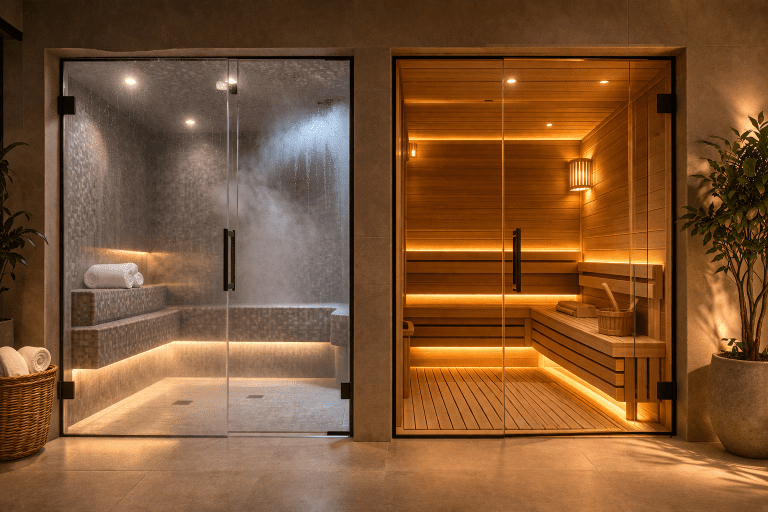
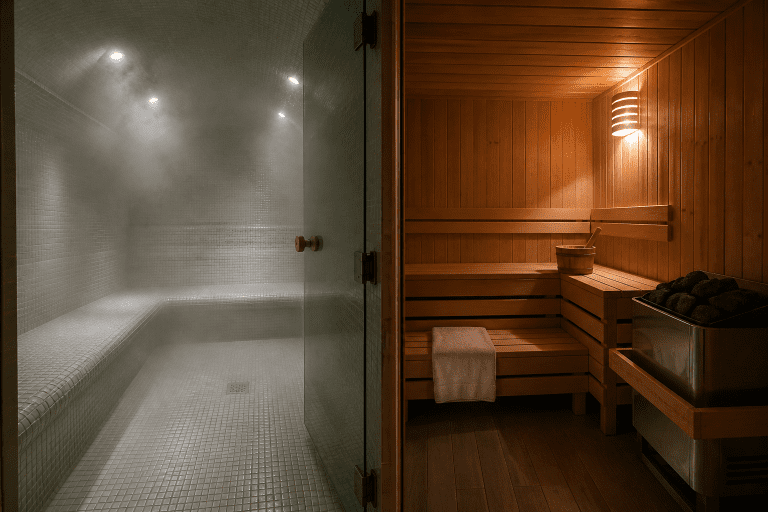
A sauna uses dry heat, typically 150–195°F with low humidity. It’s more intense, produces a heavier sweat, and is better suited to people who want cardiovascular and muscular benefits alongside stress relief.
A steam room sits at 110–115°F with 100% humidity. The lower temperature is more accessible for beginners and easier on the respiratory system. For people whose stress manifests as tension, tight muscles, or breathing difficulties, the moist heat often feels more soothing.
Steam room for stress relief tends to feel more immediately calming for most users. Sauna tends to produce a more intense, endorphin-heavy experience.
There’s no wrong answer here — it comes down to how your body responds to heat and what kind of relaxation you’re after.
If you’re weighing both options, it’s worth knowing that many wellness enthusiasts use both. best sauna heaters is a good read if you want to understand what makes a sauna worth building alongside or instead of a steam room.
Comparison Table: Steam Room vs Sauna for Stress Relief
| Factor | Steam Room | Traditional Sauna |
|---|---|---|
| Temperature | 110–115°F | 150–195°F |
| Humidity | 100% | 10–20% |
| Stress Relief | High | High |
| Respiratory Comfort | Better | Lower |
| Upfront Cost | $3,000–$15,000+ | $2,000–$10,000+ |
| Session Length | 10–20 min | 15–30 min |
| Maintenance | Higher (mould risk) | Lower |
| Best For | Tension, sinus, beginners | Intense sweat, cardiovascular |

Helpful Gear
A few things that make steam room for stress relief more practical and comfortable at home.
1. Eucalyptus Steam Room Oil Add a few drops to your steam generator’s aromatherapy port and the scent actively amplifies the calming effect.
2. Steam Room Bench Towel Set A dedicated set of thick cotton towels for your bench keeps the space hygienic and comfortable.
3. Digital Hygrometer and Thermometer Knowing the exact temperature and humidity in your steam room helps you optimise sessions and catch any generator issues early.
FAQs
How long should you stay in a steam room for stress relief? Ten to twenty minutes is the recommended range for most healthy adults. Shorter sessions — around 10 minutes — are enough to activate relaxation pathways. Going beyond 20 minutes increases dehydration and dizziness risk without adding meaningful stress relief benefits.
How often should you use a steam room for stress? Two to four times per week is the practical sweet spot for most people. Daily use is possible for some, but rest days allow your nervous system and body temperature regulation to recover fully. Consistency over weeks is what builds lasting stress reduction.
Is steam room for stress relief safe for everyone? Not without checking first. People with low blood pressure, heart conditions, or who are pregnant should consult a doctor before using a steam room. The heat causes blood vessels to dilate, which can trigger dizziness or drops in blood pressure in vulnerable individuals.
Simple rule: If you walk out feeling calmer than when you walked in, you’re using it right. Keep sessions under 20 minutes, stay hydrated, and show up consistently.
Summary Snapshot
- Steam room for stress relief works through heat-triggered endorphin release and parasympathetic nervous system activation
- Sessions of 10–20 minutes, two to four times per week deliver the best results
- Moist heat makes it more comfortable than dry saunas for respiratory tension
- Home builds cost $3,000–$15,000+ and require professional installation
- Maintenance is non-negotiable — weekly cleaning prevents mould
- Not suitable for everyone — check with your doctor if you have heart or blood pressure concerns
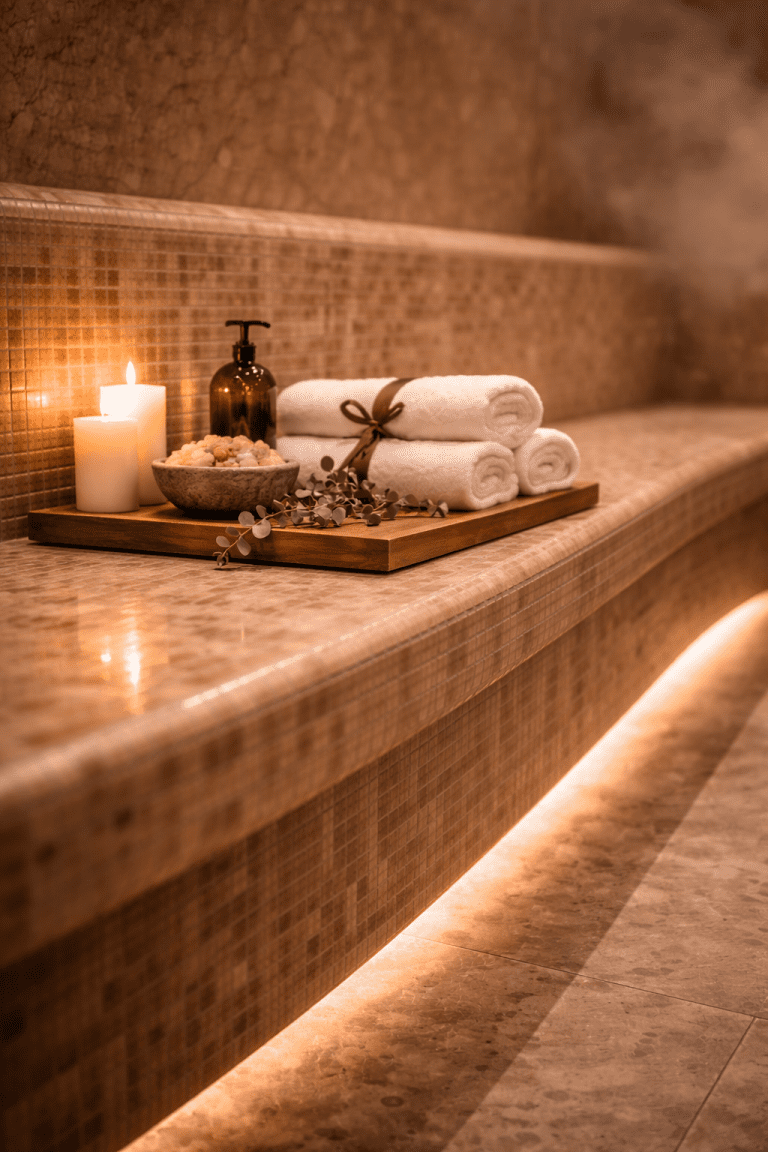
![[IMAGE 3] Alt text: steam room for stress relief home wellness session](https://sunriseandvitalize.com/wp-content/uploads/2026/04/ChatGPT-Image-Mar-1-2026-04_03_50-PM-683x1024.png)
Final Verdict
Steam room for stress relief is one of the most underrated tools in the home wellness space. It’s not a trend — it’s heat therapy with a genuine physiological basis, and the results tend to show up quickly.
The barrier is mostly financial and logistical. Building a proper steam room at home is a project, and it’s not cheap. But for people who use it consistently, the return on stress reduction, mood, and overall wellness makes it worth it.
If you’re not ready to build yet, find a gym with steam access and start there. Experience it weekly for a month and see how your body responds. Most people don’t need much convincing after that.
Cluster Block — Related Reading
Exploring the full picture of what steam therapy can do? These posts go deeper:
- If you want to understand the complete health case for heat therapy, our steam room health benefits deep-dive covers everything from circulation to skin health.
- For those weighing heat therapy options across categories, cold plunge benefits is worth reading — contrast therapy (hot followed by cold) is one of the most effective stress relief protocols you can build at home.