Does Cold Exposure Boost Metabolism? What the Science Actually Says
Does cold exposure boost metabolism? The short answer is yes — but probably not in the way most wellness influencers are selling it.
Cold exposure triggers real, measurable physiological responses that temporarily increase calorie burn and activate a specialized type of fat tissue called brown adipose tissue (BAT). These effects are well-documented. What’s less clear — and what the hype tends to gloss over — is how significant that metabolic lift actually is for most people day to day.
Here’s the honest version of what the research shows.
Quick disclosure: Some links in this post are affiliate links. If you click and buy, we may earn a small commission at no extra cost to you. We only recommend gear we’d actually use.
⚡ Quick Snapshot
- Cold exposure does increase metabolic rate — temporarily
- Brown fat activation is real, but most adults have limited amounts
- Shivering is the biggest short-term calorie burner during cold exposure
- Ice plunges and cold water immersion produce stronger effects than cold air
- Benefits compound over time with regular sessions
- Cold alone won’t replace diet and exercise for weight management
- Best used as a complement to an existing wellness routine
Table of Contents
- How Cold Exposure Affects Metabolism
- Brown Fat: The Real Star of the Show
- How Many Calories Does Cold Exposure Actually Burn?
- What Does Cold Exposure Cost?
- Getting Started: Installation and Setup
- Maintenance Reality
- Pros and Cons
- Cold Plunge vs. Cold Shower vs. Cryotherapy
- Comparison Table
- Helpful Gear
- FAQ
- Final Verdict
How Cold Exposure Affects Metabolism
When your body hits cold water or cold air, it immediately gets to work trying to maintain core temperature. That work costs energy — and that’s the core of why cold exposure and metabolism are linked.
Two main mechanisms drive the metabolic response:
Shivering thermogenesis is the more familiar one. Your muscles contract rapidly and involuntarily, generating heat. This process can temporarily increase metabolic rate by 2–5 times above baseline. It’s your body’s emergency furnace, and it burns through energy fast.
Non-shivering thermogenesis is the mechanism that’s generated more scientific excitement. This happens when brown adipose tissue — brown fat — is activated by cold. Unlike regular white fat, which stores energy, brown fat burns energy to generate heat. It’s metabolically active tissue, and it can be stimulated by regular cold exposure.
A 2014 study published in the Journal of Clinical Investigation confirmed that repeated cold exposure increases both the amount and activity of brown adipose tissue in adults. That’s meaningful, because it suggests cold exposure may have cumulative metabolic benefits that build over time — not just a one-session calorie bump.
The catch? Most adults have modest amounts of brown fat, concentrated mainly around the neck, collarbone, and spine. The metabolic contribution from brown fat activation, while real, is modest compared to shivering — and modest compared to what you’d burn in a 30-minute run.
Brown Fat: The Real Star of the Show
What is brown fat and why does cold exposure activate it?
Brown adipose tissue gets its color from an unusually high concentration of mitochondria — the cellular structures that burn fuel to produce energy. When you’re exposed to cold, your sympathetic nervous system releases norepinephrine, which signals brown fat cells to start burning stored lipids and glucose to generate heat. This process, called thermogenesis, is the reason cold exposure is linked to improved metabolic function beyond simple calorie burn.
Infants have high concentrations of brown fat — it’s a survival mechanism for regulating body temperature when their muscles can’t shiver effectively yet. Adults retain some brown fat, and researchers have found that leaner individuals and people who live in cooler climates tend to have more active brown fat deposits. Regular cold exposure appears to both preserve and increase the activity of this tissue.
The metabolic implications extend beyond calorie burning. Brown fat activation is associated with improved insulin sensitivity, better glucose metabolism, and reduced triglycerides. A review published by the National Institutes of Health highlighted these broader metabolic effects, suggesting that the metabolism-boosting effects of cold exposure go beyond raw thermogenesis.
How Many Calories Does Cold Exposure Actually Burn?
Let’s get specific, because this is where the hype often outruns the science.
During cold water immersion at around 57°F (14°C), metabolic rate can increase by 350% compared to resting baseline. That sounds dramatic — and in a short session, it might translate to an additional 100–250 calories burned above what you’d burn sitting still, depending on body size, session length, and temperature.
Over a longer period of regular sessions, brown fat adaptation can add a modest baseline metabolic boost. Some estimates put this at 100–300 additional calories per day in well-adapted individuals — but that’s toward the optimistic end of the research, and individual variation is enormous.
For context: a 150-pound person burns roughly 300 calories on a brisk 30-minute run. Cold exposure isn’t replacing that. But as a complementary practice — especially one with documented benefits for recovery, inflammation, and mood — those extra calories burned add up over weeks and months.
The honest takeaway: cold exposure boosts metabolism, but it’s not a replacement for physical activity or a caloric deficit. It’s a multiplier, not a magic shortcut.
What Does Cold Exposure Cost?
The range here is genuinely wide, which is good news for anyone trying to build a cold exposure practice on a budget.
Cold showers: Essentially free beyond your existing water bill. Not as effective as immersion, but a real starting point.
Stock tanks / DIY setups: $100–$400 for a simple galvanized livestock tank. Add ice bags ($5–$10 per session) or a basic chiller unit ($500–$1,500) for consistent temperature control.
Entry-level dedicated ice plunge tubs: $500–$1,500. Brands like Polar Monkeys and Ice Barrel sit in this range. Durable, purpose-built, no chiller required if you’re willing to add ice manually.
Mid-range plunge tubs with chillers: $1,500–$4,000. These hold water at your target temperature automatically. Much more convenient for daily use.
Premium cold plunge systems: $5,000–$15,000+. Units like the Plunge Pro or Morozko Forge sit here. Built for serious daily use, ultra-precise temperature control, premium materials.
Commercial cryotherapy: $50–$100 per session at a cryo spa. No equipment to maintain, but costs add up fast with regular use.
For most people building a home cold exposure practice, the sweet spot is a dedicated tub with a chiller in the $2,000–$4,000 range — expensive upfront, but the per-session cost drops to nearly zero within a year of regular use.
Getting Started: Installation and Setup
Cold exposure has a low barrier to entry compared to saunas or steam rooms, which is part of its appeal.
Cold showers require zero setup. Drop water temperature at the end of a regular shower and you’re in.
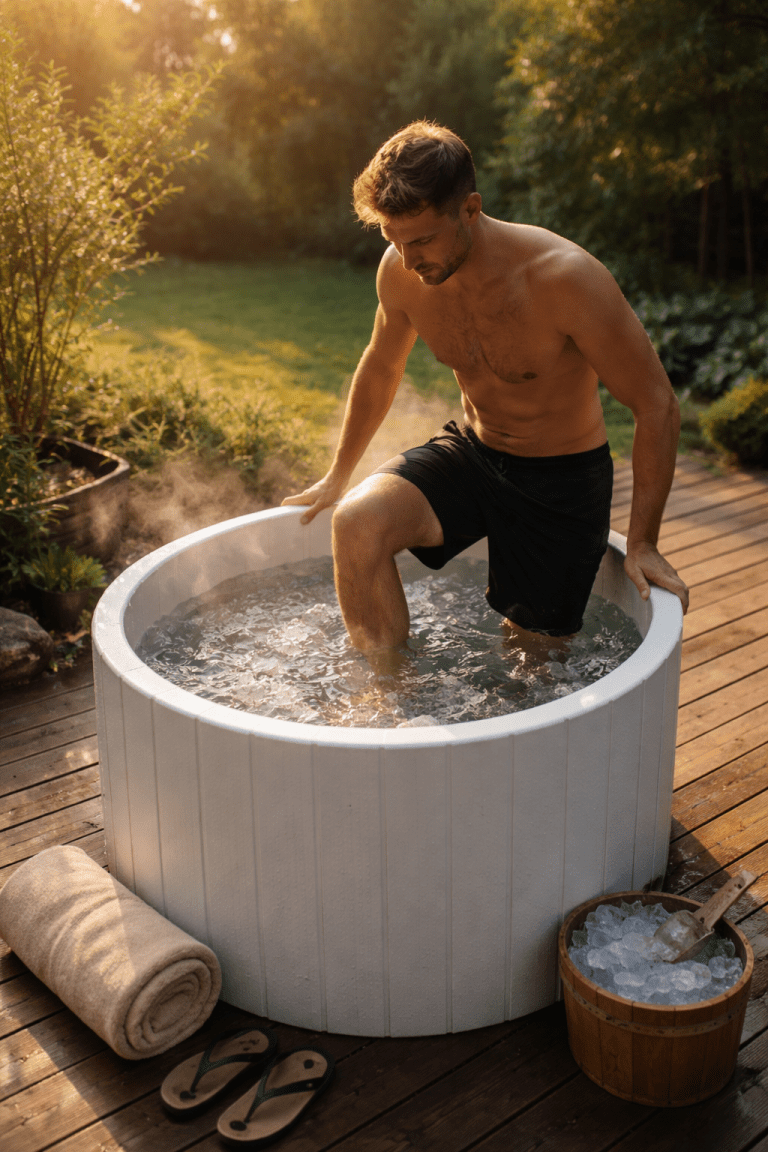
Ice plunge tubs (non-chillers) need a flat outdoor surface, access to a hose, and a drain nearby or a pump to empty between uses. Many people set these up on a deck or patio in 30–60 minutes.
Chiller-equipped units add electrical requirements — most residential chillers run on standard 110V outlets, though higher-end units may need a dedicated 220V circuit. Check your unit’s specs before purchasing.
Indoor setups are possible but need proper drainage planning. Most people find outdoor placement simpler for maintenance and smell management.
One thing worth noting: cold plunge tubs are significantly easier to install than hot tubs or steam rooms. No gas lines, no complex plumbing in most cases, no steam-tight construction requirements. That accessibility is a real advantage.
Maintenance Reality
Cold water maintenance is simpler than hot tub upkeep — but it’s not zero-effort.
Water chemistry matters. Cold water doesn’t kill bacteria the way hot water does. You’ll need to maintain proper sanitization — typically through chlorine, bromine, or hydrogen peroxide systems — and test water chemistry 2–3 times per week.
Filtration. Most quality plunge tubs include filtration systems. Run them consistently. Replace filters per manufacturer recommendations, typically every 3–6 months.
Water changes. Depending on use frequency and chemistry management, full water changes every 1–3 months are standard.
Chiller maintenance. Chillers need their coils cleaned periodically and coolant levels checked annually. Most units are low-maintenance but not maintenance-free.
The total time commitment for a well-maintained home plunge setup is roughly 15–20 minutes per week — very manageable once you build it into your routine.
Pros and Cons
Pros
- Real, documented metabolic boost through thermogenesis
- Brown fat activation with cumulative benefits over time
- Strong evidence for reduced inflammation and improved recovery
- Mood and focus benefits from norepinephrine and dopamine release
- Relatively low equipment cost compared to saunas or steam rooms
- Low installation friction — most setups are outdoor and plug-in
- Builds mental resilience and stress tolerance
Cons
- Metabolic effect is real but modest — not a standalone weight loss strategy
- Cold shock response carries cardiovascular risk for some individuals
- Water chemistry management required to prevent bacterial growth
- Chillers add cost and complexity for temperature-controlled setups
- Cold exposure is uncomfortable, especially early on — adherence can be challenging
- Benefits require consistency — occasional sessions produce limited results
Cold Plunge vs. Cold Shower vs. Cryotherapy
Does cold water immersion work better than a cold shower for metabolism?
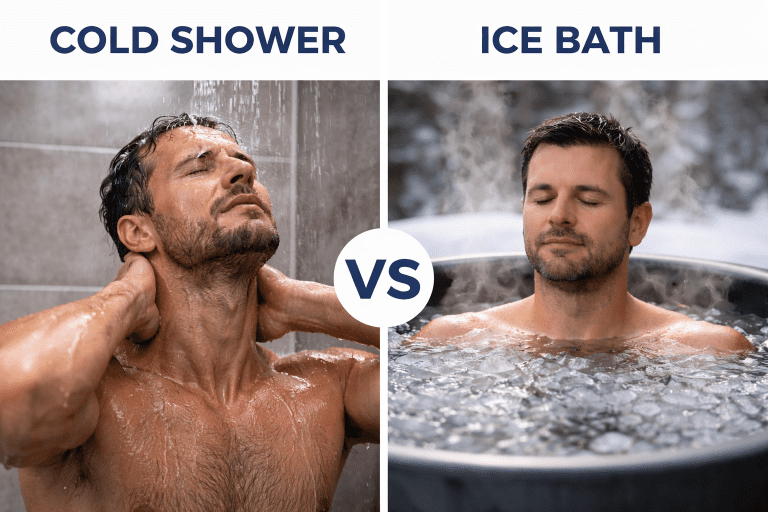
Yes, meaningfully so. Full-body cold water immersion creates a much larger thermal challenge than a cold shower, because water conducts heat away from the body approximately 25 times faster than air at the same temperature. This produces a stronger shivering response, greater norepinephrine release, and more significant brown fat activation. Cold showers are a legitimate starting point, but for metabolic and recovery benefits, immersion is the more effective tool.
Cryotherapy chambers expose the body to extremely cold air (−110°C to −140°C) for 2–3 minutes. The thermal effect is significant but brief. Research comparing cryotherapy to cold water immersion suggests immersion produces equal or superior results for most outcomes — and at a fraction of the ongoing cost.
Comparison Table
| Method | Temp Range | Session Length | Metabolic Impact | Cost | convienence |
|---|---|---|---|---|---|
| Cold Shower | 50–60°F | 3–10 min | Low–Moderate | Free | Very High |
| Ice Plunge (no chiller) | 40–55°F | 2–10 min | Moderate–High | $100–$400 + ice | Moderate |
| Plunge Tub + Chiller | 40–60°F | 2–10 min | Moderate–High | $1,500–$5,000 | High |
| Cryotherapy | -166°F (air) | 2–3 min | Moderate | $50–$100/session | Low |
| Premium Home System | 37–60°F | 2–10 min | High | $5,000–$15,000 | Very High |
Helpful Gear
If you’re building out a cold exposure practice, a few pieces of kit make the experience significantly better:
Browse Ice Plunge Picks — Warming up after a plunge session is part of the practice. A good robe and fast-drying towel make the transition comfortable, especially in outdoor setups.
FAQ
How long does the metabolic boost from cold exposure last? The acute metabolic increase from a cold plunge session — driven primarily by shivering thermogenesis — typically lasts 30–60 minutes after exiting the water. The broader brown fat activation effects, with consistent practice, may contribute a modest baseline metabolic increase that persists throughout the day. Most research suggests daily or near-daily sessions are needed to sustain these longer-term adaptations.
What temperature is best for metabolic benefits from cold exposure? Research suggests water temperatures between 50–60°F (10–15°C) produce meaningful thermogenic responses without excessive cold shock risk for most healthy adults. Going colder isn’t necessarily better — the metabolic response plateaus, and risk of cold shock increases below 50°F. If you’re new to cold exposure, starting at 60°F and working down over several weeks is a smart approach.
Can cold exposure help with long-term weight loss? Cold exposure can contribute to a weight management strategy as a complement to exercise and diet — not as a replacement. The additional calorie burn from regular sessions is real but modest. More meaningfully, the improvements in insulin sensitivity, inflammation reduction, and mood that accompany cold exposure practice may support better overall metabolic health over time, which indirectly supports weight management goals.
The simple rule: If you want cold exposure to genuinely boost your metabolism, consistency matters more than temperature — three to five sessions per week will produce more lasting brown fat adaptation and metabolic benefit than occasional extreme plunges.
Summary Snapshot
- Cold exposure boosts metabolism through shivering and brown fat activation
- Brown adipose tissue (BAT) burns fuel to generate heat — and adapts positively to regular cold exposure
- Acute calorie burn per session: roughly 100–250 calories above resting baseline
- Long-term brown fat adaptation may add a modest daily metabolic baseline increase
- Cold water immersion is more effective than cold showers or cryotherapy for most outcomes
- Consistency (3–5x per week) drives results; occasional sessions produce limited adaptation
- Best used alongside regular exercise and a balanced diet — not instead of them
Final Verdict
The evidence that cold exposure can boost metabolism is real, consistent, and well-documented. The mechanism works — the question is always how much, and the honest answer is meaningful but modest.”
Does cold exposure boost metabolism? Yes — and the mechanism is legitimate, not wellness-marketing fiction. Brown fat activation, shivering thermogenesis, improved insulin sensitivity, and norepinephrine-driven metabolic effects are all well-supported by research.
But the honest version of that answer includes context: the metabolic boost is real and cumulative with consistent practice, but it’s not large enough to substitute for movement and nutrition. Where cold exposure earns its place in a wellness routine is as a genuine multiplier — enhancing recovery, reducing inflammation, sharpening mood and focus, and adding a meaningful (if modest) caloric burn over time.
If you’re already exercising regularly and eating reasonably well, adding a structured cold exposure practice is one of the higher-value things you can do for overall metabolic health. If you’re hoping a daily plunge will offset a poor diet, you’ll be disappointed.
The infrastructure is accessible, the science is solid, and the practice builds mental toughness alongside physical adaptation. For most people who stick with it, cold exposure becomes one of those habits that’s hard to imagine dropping — not because of the calorie math, but because of how it makes you feel.