Do Infrared Saunas Get as Hot as Traditional Saunas? The Honest Answer
Do infrared saunas get as hot as traditional saunas — and does the difference actually matter? These are two different questions, and most articles treat them as one. The short answer is no, infrared saunas run cooler by design. But that doesn’t make them a lesser version of the experience. It makes them a different one entirely — and understanding why changes how you evaluate both.
This post breaks down the real temperature gap, what it means for how your body responds, and which type of heat is actually better for what you’re trying to get out of a sauna session.
Disclosure: Sunrise & Vitalize uses affiliate links. If you buy through a link on this site, I may earn a small commission at no extra cost to you. I only recommend gear I’d genuinely use.
Quick Snapshot
- Infrared saunas typically run between 120°F and 150°F
- Traditional saunas typically run between 150°F and 195°F
- The air temperature gap is real — roughly 40°F to 70°F cooler in most infrared units
- Infrared heat penetrates tissue directly rather than heating the surrounding air first
- Sessions in infrared saunas typically run 20–40 minutes; traditional sessions are often shorter at 10–20 minutes
- Entry-level infrared home units start around $800–$2,000; traditional barrel or cabin saunas typically start around $1,500–$5,000
- Neither type is objectively better — they produce different physiological experiences
Table of Contents
- The Temperature Gap — What the Numbers Actually Mean
- How Infrared Heat Works Differently
- What Your Body Actually Feels in Each Type
- Cost Reality: Does the Price Difference Justify the Heat Difference?
- Real Limitations Nobody Talks About
- Pros and Cons
- Side-by-Side Comparison
- Helpful Gear
- FAQ
- Final Verdict
The Temperature Gap — What the Numbers Actually Mean
When people ask whether do infrared saunas get as hot as traditional saunas is even the right question, they’re onto something. The temperature figures are real — infrared units typically top out at 120°F to 150°F, while traditional Finnish-style saunas run comfortably between 160°F and 195°F — but quoting air temperature for infrared is a bit like quoting the shade temperature on a hot day. It tells you something, but not the whole story.
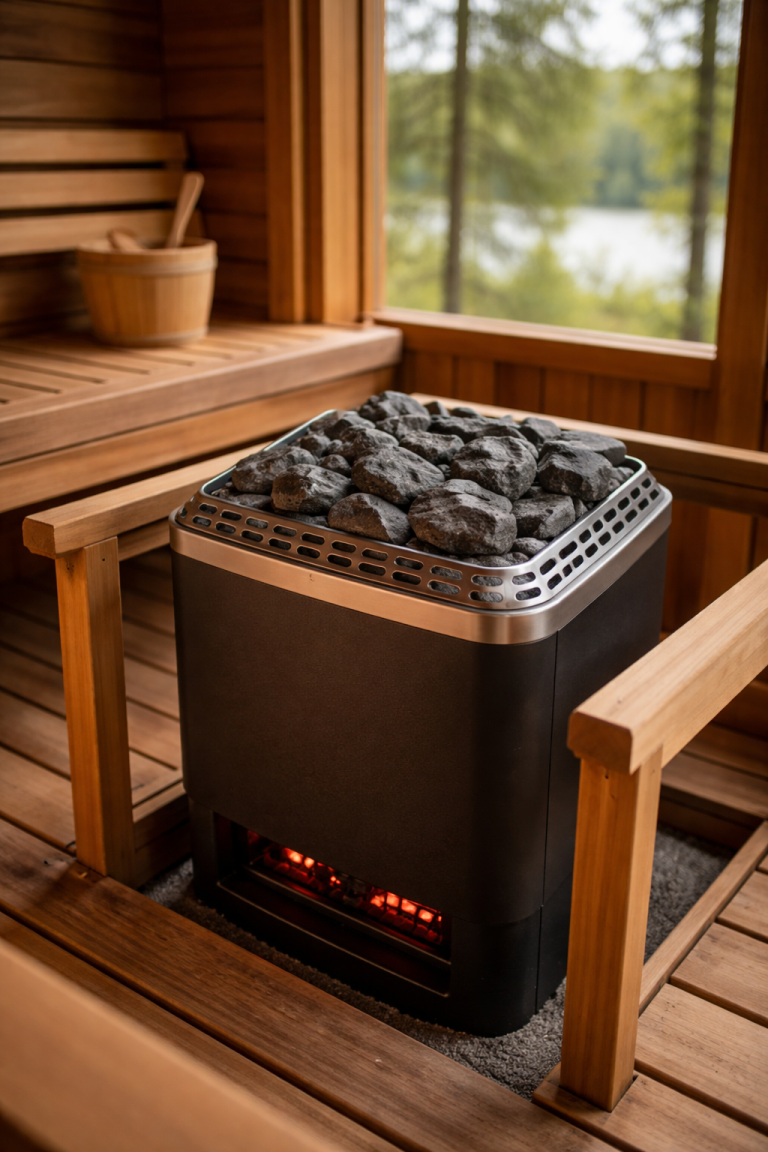
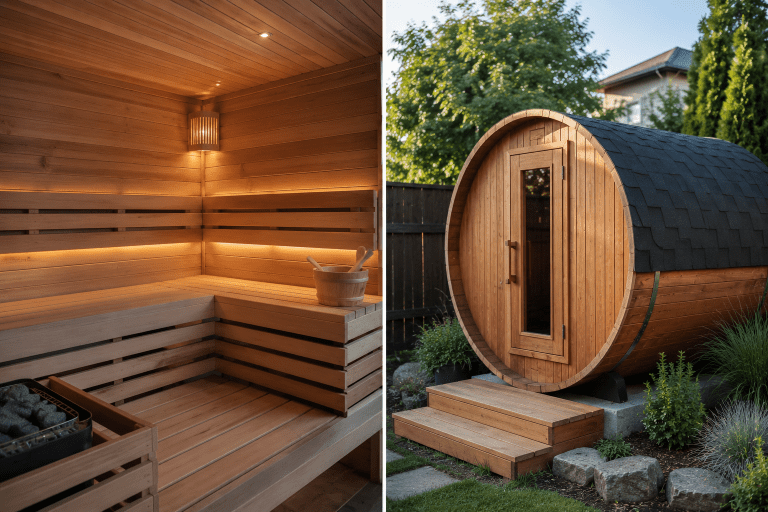
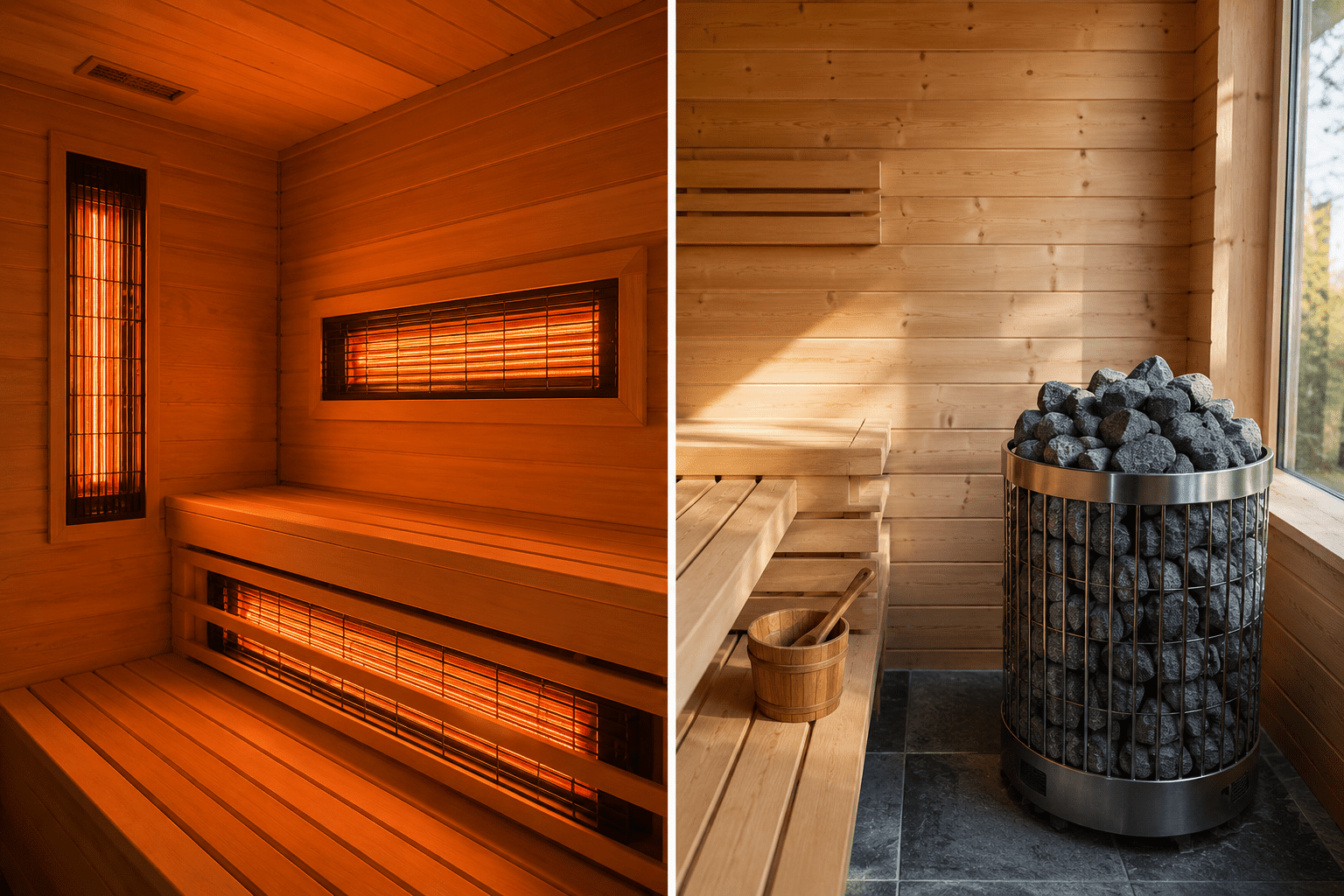
Traditional saunas heat the air first. The heater — electric, wood, or gas — raises the ambient temperature of the room to the point where your body can’t shed heat fast enough through convection, and you start sweating. The hot air surrounds you on every side. That’s what creates the immediate wall-of-heat sensation the moment you open the door.
Infrared heaters bypass the air almost entirely. They emit electromagnetic radiation in the near-, mid-, or far-infrared spectrum, which penetrates the skin surface and heats tissue from the inside rather than heating the room around you. The air inside an infrared cabin stays relatively moderate. Your body is heating itself from within rather than being cooked from without.
Do infrared saunas get as hot as traditional saunas
What is the difference between infrared and radiant sauna heat?
Infrared heat is absorbed directly by the body’s tissues rather than heating the surrounding air. Traditional sauna heat warms the air, which then warms the body through convection and conduction. Both trigger sweating and cardiovascular responses, but the mechanism is fundamentally different — and so is the sensation.
Traditional sauna radiant heat is intense at the surface level. You feel it on your skin immediately, and the air carries that heat directly into your lungs with each breath. That sensation — breathing warm, heavy air — is a core part of the traditional sauna experience for people who use one consistently. It’s distinct, and it’s noticeable in a way that’s hard to describe until you’ve actually experienced it.
Infrared feels different from the first minute. The air around you stays breathable and relatively comfortable, but within a few minutes you’re sweating as heavily as you might in a traditional unit running 40°F hotter. That disconnect between the air temperature and your sweat output surprises most first-timers.
What Your Body Actually Feels in Each Type
This is where the temperature numbers become less useful than direct experience. When people ask whether do infrared saunas get as hot as traditional saunas in terms of how it feels, the answer is that they feel categorically different rather than simply cooler.
In a traditional sauna — and I’ve used them consistently enough to know — the heat hits you as a full sensory experience. Used regularly for years, the thing I notice most is a genuine sense of purging, a more intense heat than steam, a different pressure against the skin that’s hard to replicate any other way. The bench surface tells its own story: a traditional sauna runs hot enough that sitting directly on wood in thin shorts is a mistake you make once. After that, a sauna mat becomes non-negotiable.
In an infrared unit, the experience is closer to standing in strong direct sunlight while the air around you stays comparatively cool. Your skin absorbs the warmth rather than the air forcing it onto you. Some people find this more tolerable, especially at the start of a routine. Others — particularly people who’ve built up a tolerance to traditional heat — find it underwhelming in the first few sessions before the sweat response catches up.
The Mayo Clinic notes that infrared saunas operate at lower ambient temperatures while still producing meaningful physiological responses — which aligns with what consistent users report. The sweating is real. The cardiovascular response is real. But the experience on the way there is genuinely different.
Cost Reality: Does the Price Difference Justify the Heat Difference?
Asking whether do infrared saunas get as hot as traditional saunas often comes up in the context of purchase decisions — and cost is part of that. Here’s how the numbers typically land.
Entry-level infrared home units — typically two-person wood panel cabins — run from around $800 to $2,000. Mid-range units with full-spectrum panels sit between $2,000 and $5,000. High-end infrared units from premium brands push beyond $7,000.
Traditional home saunas span a broader range. A basic pre-cut barrel sauna kit starts around $1,500. A proper prefab cabin with a quality heater typically runs $3,000 to $8,000. Custom indoor builds with electrical work and finishing can exceed $15,000 depending on size and materials.
On raw cost, infrared often wins at the entry point. But running costs tell a different story. Infrared units draw less wattage — typically 1.5kW to 3kW — because they’re heating bodies, not air. Traditional heaters run between 3kW and 9kW depending on room size. Over hundreds of sessions, that gap in electricity consumption is real.
Neither category is cheap when you factor in the full picture. And the question of whether do infrared saunas get as hot as traditional saunas in terms of value depends entirely on which heat experience you’re actually after.
Real Limitations Nobody Talks About
What are the actual downsides of infrared saunas that reviews skip?
The most common omission is that infrared saunas don’t replicate the steam and air humidity experience of traditional sauna bathing. Löyly — pouring water on hot stones — is fundamental to Finnish sauna culture and produces a specific blast of steam that infrared panels simply cannot mimic. If that’s part of what you want, an infrared unit won’t deliver it.
The limitation most articles skip for traditional saunas is the opposite: the hot air that makes them distinctive is also what makes them harder to tolerate in the early stages of a routine. Breathing 185°F air is genuinely uncomfortable for a lot of people and takes time to adapt to. The infrared version is more forgiving at the start — which makes it accessible for beginners but also means the experienced user has to recalibrate expectations.
Session length also gets underplayed. Traditional sauna sessions are often 10–20 minutes per round, with cooling periods between. Infrared sessions are typically longer — 25–40 minutes — because the heat penetration is slower. That’s not necessarily worse, but it changes the time commitment per session.
Pros and Cons
Infrared Sauna — Pros
- Lower air temperature makes early sessions more tolerable
- Lower wattage means lower ongoing electricity costs
- Compact cabin designs fit more home setups
- No steam or humidity — suits people who find hot humid air difficult to breathe
- When you ask whether do infrared saunas get as hot as traditional saunas and the answer is no — that’s actually a feature for certain users, not a flaw
Infrared Sauna — Cons
- Cannot produce löyly — the steam blast from hot stones that defines traditional sauna culture
- The heat sensation feels fundamentally different and won’t satisfy users who specifically want hot air immersion
- Some cheaper panels produce inconsistent heat distribution across the cabin
Traditional Sauna — Pros
- Full ambient heat experience from the first minute
- Compatible with water on stones for steam — the classic Finnish ritual
- Higher temperatures available for experienced users who’ve built heat tolerance
- Proven across centuries of use with a wide research base
Traditional Sauna — Cons
- Higher entry cost for quality units
- Greater electrical draw and running costs over time
- Hot air requires adaptation time — uncomfortable early on for many people
- The one the industry consistently undersells: the hot air also means the session is shorter before heat stress becomes a limiting factor. Users who want longer, more meditative sessions often find infrared more practical for the format they actually want.
Side-by-Side Comparison
| Feature | Infrared Sauna | Traditional Sauna |
|---|---|---|
| Typical air temperature | 120°F–150°F | 160°F–195°F |
| Heat mechanism | Direct tissue penetration | Ambient air heating |
| Session length | 25–40 minutes | 10–20 minutes per round |
| Steam / löyly capability | No | Yes |
| Entry cost (home unit) | ~$800–$2,000 | ~$1,500–$5,000+ |
| Electricity draw | 1.5kW–3kW | 3kW–9kW |
| How it feels breathing | Comfortable, cooler air | Heavy, hot air immersion |
| Post-session feeling | Relaxed, moderate fatigue | More intense purging sensation |
| Adaptation curve | Gentler for beginners | Steeper early sessions |
The post-session feeling row is worth pausing on. Users who’ve spent time in both consistently describe the traditional sauna as producing something more intense — a feeling of having genuinely pushed through something, not just sweated. Infrared sessions produce relaxation and warmth, but the edge of that “purging” quality that long-term sauna users often describe is harder to reach at 140°F.
If you use heat as part of a contrast therapy routine — heat and cold alternating — the differences worth reading about are covered in Infrared vs Traditional Sauna. For how sauna heat compares to steam heat specifically, Steam vs Sauna covers the physiological overlap and where the experiences diverge.

Helpful Gear
- Sauna mat — Protects the bench surface and your skin from direct contact with hot wood during extended sessions. Non-negotiable in a traditional unit.
- Sauna thermometer and hygrometer combo — Lets you monitor actual temperature and humidity inside either sauna type. Useful for verifying your unit is performing within spec and tracking what conditions suit your sessions best.
- Check ratings before buying — quality varies significantly at the low end.
FAQ
Do infrared saunas get as hot as traditional saunas in terms of how much you sweat?
Roughly comparable sweat output, despite the air temperature gap. Infrared heat penetrates tissue directly, which triggers a strong sweat response even though the surrounding air feels cooler. Most users sweat as heavily in a 140°F infrared session as in a shorter traditional session at 180°F. The mechanism is different; the outcome is similar.
Is an infrared sauna worth it if you already have access to a traditional sauna?
That depends on what you’re missing from the traditional experience. If you want longer, lower-intensity sessions, easier breathing, or a compact home unit, infrared fills a genuine gap. If you’re looking to replicate the exact sensory experience of a traditional sauna — the hot air, the steam option, the intensity — an infrared unit won’t do that, regardless of what the marketing says.
Can you add water to an infrared sauna to make it hotter?
No. Infrared panels and water don’t mix — both for safety reasons and because the mechanism doesn’t work that way. Infrared heats bodies, not air, so adding water to the cabin produces humidity without meaningful temperature increase and risks panel damage. If löyly matters to you, the answer to whether do infrared saunas get as hot as traditional saunas in the way you want it to — is no.
A simple rule: If you want lower-commitment sessions with accessible heat, go infrared. If you want the full traditional experience — hot air, steam, intensity — don’t expect an infrared unit to replicate it.
Summary Snapshot
The honest answer to whether do infrared saunas get as hot as traditional saunas is: no, and that’s by design. Infrared units run 40°F to 70°F cooler in air temperature, but produce comparable sweat output through a completely different mechanism. Traditional saunas heat the air and surround you with it. Infrared saunas heat your body directly and leave the air relatively untouched.
Neither is better in absolute terms. They produce different experiences — and understanding which experience you actually want is the only question that matters when choosing between them.

Final Verdict
If someone asks whether do infrared saunas get as hot as traditional saunas before buying, they usually want a yes or no. The honest one is: no, and chasing that temperature number in an infrared unit is the wrong frame entirely. The question is what you want the heat to do.
Traditional saunas deliver an intensity that’s genuinely difficult to replicate — the hot air, the option of steam, the wall-of-heat that you walk into and have to adapt to. That experience, used consistently for years, produces something specific that serious sauna users recognise. The purging quality, the demand it places on the body, the way it changes the 20 minutes after you get out — those are real, and they’re the product of high ambient heat doing exactly what it’s supposed to.
Infrared saunas do something else well. They’re more accessible for beginners, gentler on the respiratory system, cheaper to run, and better suited to longer sessions. The sweat response is genuine. The relaxation is genuine. But if you frame the purchase around whether do infrared saunas get as hot as traditional saunas and expect a yes — you’ll be disappointed, and that disappointment is avoidable with the right expectations going in.
Know what you want. Buy the version that delivers it.