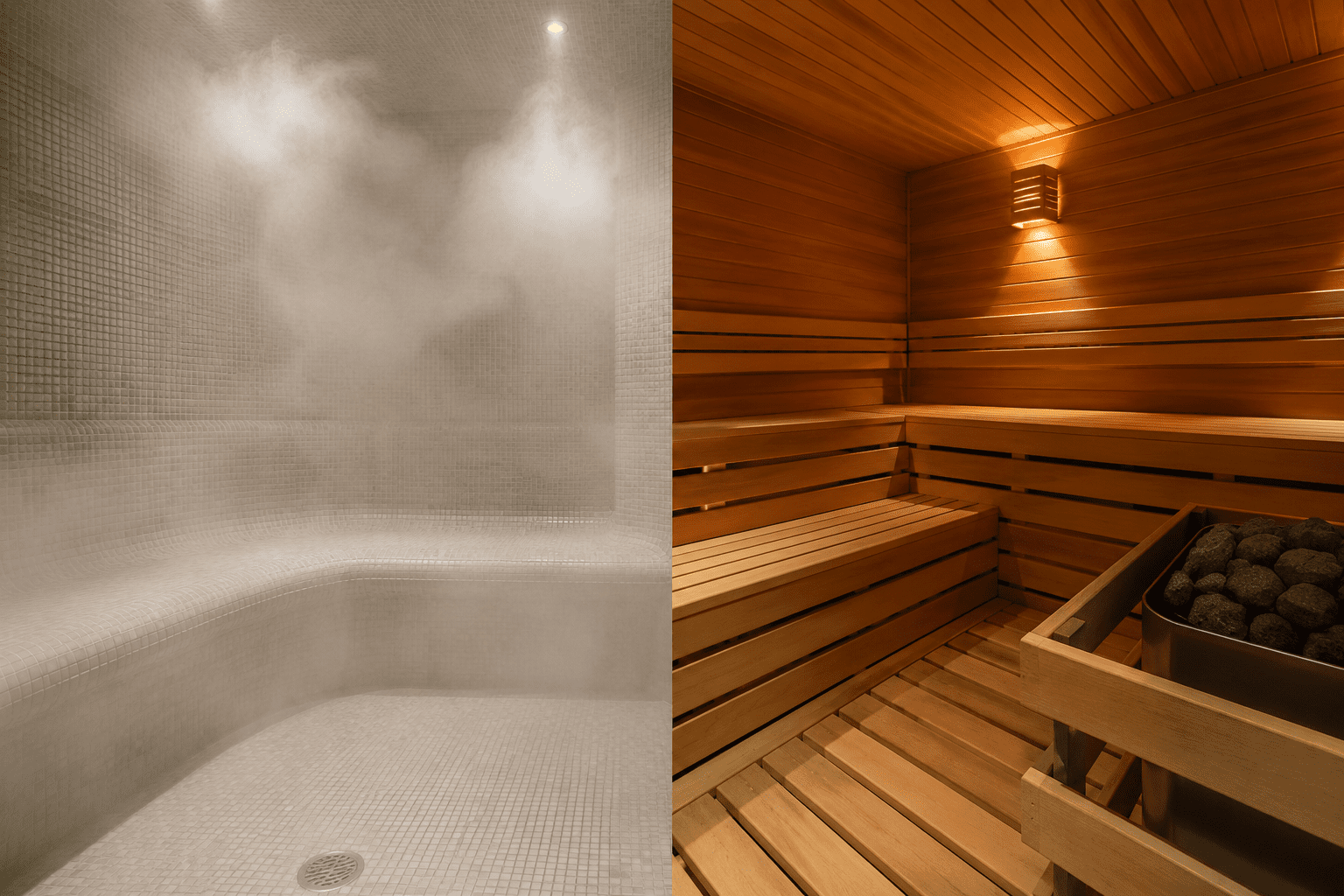
Steam Room vs Sauna Safety: 9 Critical Differences You Need to Know
If you’re weighing up steam room vs sauna safety, the two environments feel similar on the surface — both are hot, both make you sweat, and both carry genuine risks if you use them carelessly.
But the safety profile of each is actually quite different. The heat type, humidity level, temperature range, and the way each environment interacts with your body create distinct risk categories. Some risks are shared. Others are specific to one and not the other. Understanding where they diverge is what keeps a regular wellness session from turning into a trip to urgent care.
I’ve used both for years. This isn’t a list of things to worry about — it’s an honest breakdown of what actually matters.
Affiliate disclosure: This post contains affiliate links. If you purchase through them, I may earn a small commission at no extra cost to you. I only recommend products I’d genuinely use.
Quick Snapshot
- Steam rooms operate at 100–115°F with 100% humidity; traditional saunas hit 150–195°F with 5–20% humidity
- The higher humidity in steam rooms makes the air feel hotter than it is — and accelerates dehydration faster than most people expect
- Sauna burns from bench contact are more common than reported — thin shorts offer almost no protection at higher temperatures
- Both environments carry a blood pressure risk; steam rooms are slightly higher risk for people with hypotension due to vasodilation speed
- Session limit: 15–20 minutes maximum for most healthy adults in either environment
- Pregnant women, people on certain medications, and those with cardiovascular conditions should consult a doctor before using either — full stop
- Typical gym steam room vs sauna temperature: steam at around 110°F, sauna often 170°F+
- Hydration: drink at least 16–20oz of water before any session lasting more than 10 minutes
Table of Contents
- Why These Two Environments Have Different Safety Profiles
- The 9 Critical Safety Differences
- Temperature and Heat Tolerance: What the Numbers Actually Mean
- Dehydration Risk: Which One Hits Harder and Faster
- Burn Risk: The One Nobody Talks About
- Blood Pressure and Cardiovascular Risk
- Respiratory Risk: Humidity Cuts Both Ways
- Hygiene and Infection Risk
- Who Should Avoid Each Environment
- How to Use Both Safely — The Real Rules
- Comparison Table
- Helpful Gear for Safer Sessions
- FAQ
- Final Verdict
Why These Two Environments Have Different Safety Profiles
Most people treat steam room vs sauna safety as a single question. It isn’t. The two environments differ in temperature range, humidity level, how the heat is delivered, and how the body responds to each. Those differences aren’t cosmetic — they change how quickly you dehydrate, how your cardiovascular system reacts, and what kind of physical hazards are actually present.
A steam room runs at lower temperatures but saturates the air with moisture. A sauna runs much hotter with almost no humidity. Each of those conditions creates its own risk profile, and some risks are significantly more present in one than the other.
Understanding the distinction is what separates a session that actually works from one that leaves you dizzy, burned, or worse.
The 9 Critical Safety Differences
These aren’t scare tactics. They’re the practical differences that matter for anyone using either environment regularly.
1. Temperature Range — And What It Actually Does to Your Body
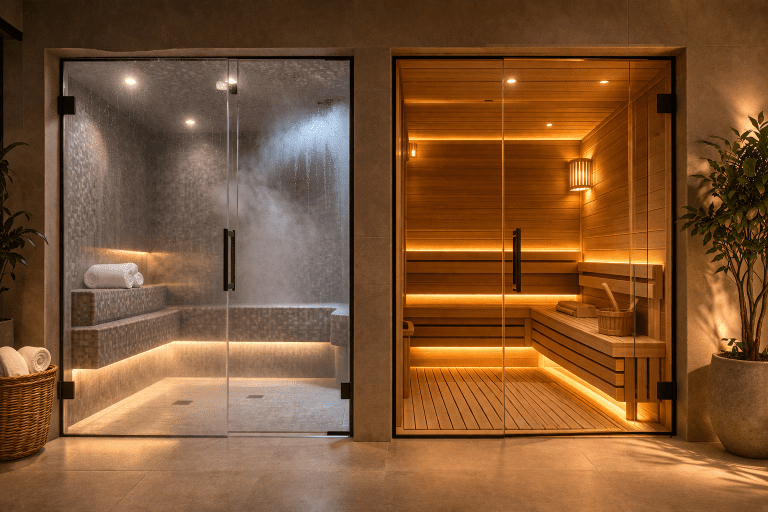
When it comes to steam room vs sauna safety, temperature is where most people start. Traditional saunas typically operate between 150°F and 195°F. Steam rooms sit much lower — usually 100°F to 115°F. On paper, the sauna sounds more dangerous. In practice, it’s more complicated than that.
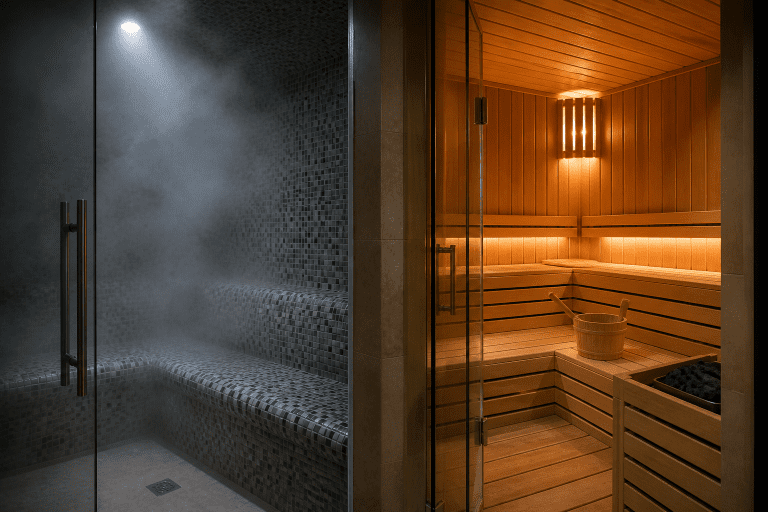
When you sit in steam room vs sauna safety terms, the humidity changes everything. At 100% humidity, your body can’t cool itself through sweating efficiently — sweat doesn’t evaporate. That makes 110°F in a steam room feel subjectively hotter than the number suggests, and it means your core temperature rises faster than in dry heat at the same reading.
The sauna’s dry heat, by contrast, allows sweat to evaporate normally. Your body handles it better up to a point — but that point arrives fast if you push the temperature or the duration.
2. Dehydration Risk: Steam Rooms Hit Faster Than Most People Expect
This is the one most people get wrong. Because a steam room feels gentler, they stay in longer than they should.
The combination of heat and 100% humidity means you’re sweating heavily — you just can’t see it the same way you would in a sauna, where visible sweat dripping is a clear signal. In a steam room, the moisture on your skin is a mix of sweat and condensation. That masks how much you’re actually losing.
Both environments will dehydrate you. But the steam room’s hidden sweat effect means people routinely underestimate their fluid loss. The standard guidance is 16–20oz of water before any session over 10 minutes — not optional, not a suggestion.
3. Blood Pressure Risk: The Shared Risk That Catches People Off Guard
Both environments cause vasodilation — blood vessels expand in response to heat, which lowers blood pressure. For most healthy adults, this isn’t a problem. For people with low blood pressure or those on certain medications, it can cause dizziness, fainting, or worse.
The Mayo Clinic notes that low blood pressure can cause dizziness, fainting, and in some cases more serious complications depending on the underlying cause. In the context of steam room vs sauna safety, steam rooms tend to produce faster vasodilation because of how the moist heat penetrates the skin — meaning the blood pressure drop can arrive sooner and feel more abrupt.
If you’ve ever stood up too fast in a steam room and caught a sudden head rush, that’s exactly this mechanism. It’s not dramatic — until it is.
4. Burn Risk: The Sauna Hazard Nobody Mentions in Safety Articles
From a steam room vs sauna safety standpoint, burn risk runs in opposite directions. Sauna burns from direct surface contact are far more common than reported. The benches in a high-quality traditional sauna reach temperatures that will burn through thin shorts if you’re not paying attention. I’ve caught this firsthand — the bench felt fine on bare hands but put thin fabric directly on it for long enough and the heat transfers in a way you don’t notice until later.
A proper sauna mat is not a luxury item. It’s a basic safety measure. This is especially relevant in commercial gyms where bench temperatures aren’t regulated the same way they might be at home, and where you have less control over the starting temperature when you walk in.
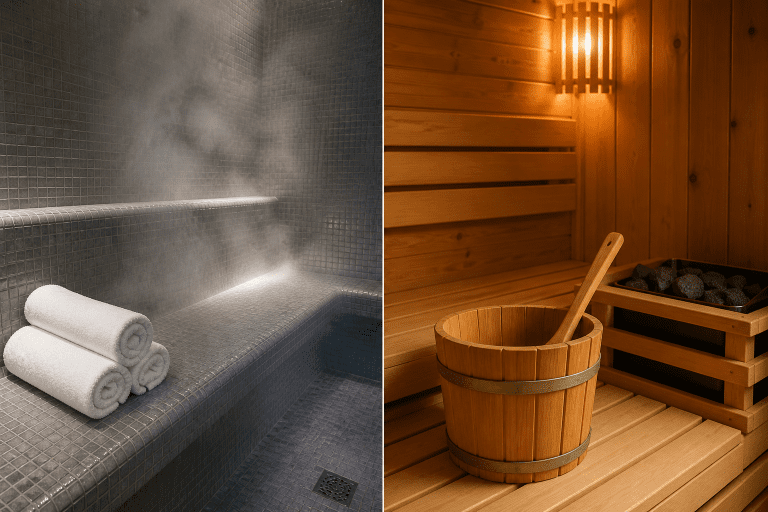
Steam rooms don’t carry the same direct contact burn risk because surfaces are wet and don’t retain heat the same way wood does. But the steam outlet — the nozzle or vent where steam enters the room — is a different story. Getting too close to an active steam jet is a scalding risk. Most commercial installations place these out of reach, but home installations vary.
5. Respiratory Risk — Humidity Cuts Both Ways
The steam room’s high humidity can be genuinely beneficial for respiratory function. The warm moist air helps loosen mucus, eases congestion, and feels supportive if you’re dealing with a cold or mild respiratory irritation. That’s a real benefit.
But it’s also a vector for airborne pathogens and mold. Warm, humid environments are ideal conditions for bacterial growth. In a commercial setting, this comes down to maintenance standards — a well-maintained steam room is fine; a poorly maintained one is a genuine health risk.
Saunas carry a different respiratory consideration. The extreme dry heat can irritate airways in people with asthma or chronic respiratory conditions. Inhaling very hot, dry air repeatedly over a session puts stress on the airway lining. Many people with respiratory sensitivities actually tolerate steam rooms better than saunas for this reason — but the same people may face higher infection risk if the steam room isn’t properly maintained.
In steam room vs sauna safety terms, this is one of the clearest examples of a risk that runs in opposite directions for different people.
6. Hygiene and Infection Risk: The Risk That’s Mostly Ignored
Steam rooms are consistently the higher-risk environment for infections. The combination of heat, moisture, and shared surfaces creates ideal conditions for bacteria, fungi, and viruses to survive longer than they would in dry heat.Steam room vs sauna safety comparisons rarely give hygiene the weight it deserves.
Athlete’s foot, skin infections, and hot tub folliculitis-type conditions are all more common in steam environments. A sauna’s extreme dry heat is actually hostile to most pathogens — surfaces dry quickly, temperatures are high enough to kill many microbes.
The practical rules: wear flip flops in both environments, don’t sit directly on bare benches in public facilities, shower before and after, and don’t use either if you have an open wound or active skin infection. These aren’t overcautious — they’re the minimum for shared facilities.
7. Who Should Avoid Each Environment
Both environments share certain absolute contraindications. Pregnancy is the most important. The elevated core body temperature in either environment is associated with risk of fetal harm, particularly in the first trimester. This isn’t a grey area — it’s a firm medical recommendation to avoid both. Understanding steam room vs sauna safety for your specific health profile matters more than general rules.
People with cardiovascular conditions, recent surgery, or uncontrolled high blood pressure should consult a doctor before using either. The vasodilation effect is significant and not something to test without medical clearance if you have a known heart condition.
Specific to steam rooms: people with hypotension or those taking blood pressure medication face a faster-onset risk due to the rapid vasodilation. If you’re prone to dizziness or fainting, the steam room specifically warrants extra caution.
Specific to saunas: people with skin conditions aggravated by dry heat — certain types of eczema or psoriasis — may find saunas worsen their symptoms where a steam room would be more tolerable. The flip side is that some dry skin conditions respond poorly to constant moisture. Neither is a universal answer.
8. Electrical and Installation Safety — The Hidden Risk at Home
This section matters if you’re considering a home installation of either.
Steam generators are electrical appliances operating in a wet environment. That combination demands professional installation — not a DIY project. A properly installed steam generator requires GFCI protection, appropriate waterproofing around the control panel, and correct placement of the steam head. The specific electrical requirements involved go into more detail than most installers volunteer upfront. Cutting corners here creates a genuinely serious hazard.
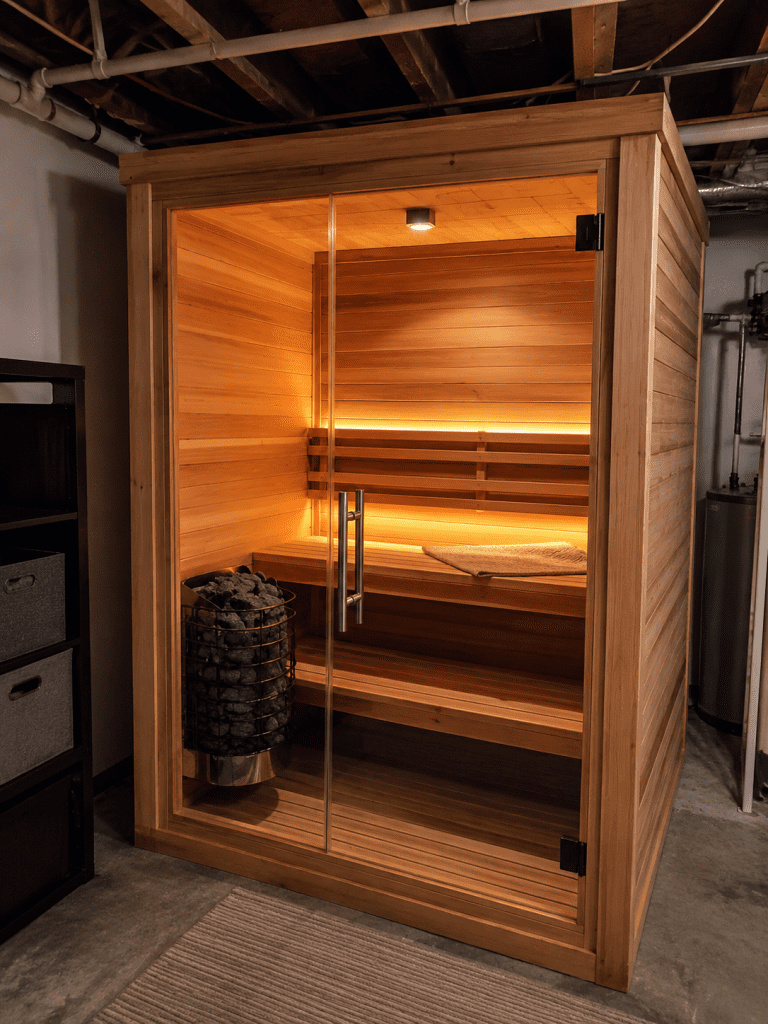
Saunas carry a different electrical profile. The environment is dry, which removes some of the moisture-related risk, but the wiring for a 240V heater still requires a licensed electrician and proper load calculations. What that wiring actually needs to handle is worth understanding before you call one. The Nolo guide on home improvement permits is worth reading before starting any installation — both steam and sauna typically require permits in most jurisdictions, and skipping that step creates insurance and liability problems down the line.
In steam room vs sauna safety terms, the installation risk is higher for steam because of the wet environment, but both require professional electrical work.
9. Maintenance Failures Create Safety Problems Over Time
A neglected steam room is a safety hazard. Mineral buildup in the generator affects performance and can cause pressure irregularities. Mold in poorly ventilated steam enclosures isn’t just unpleasant — it’s a respiratory risk. Drain maintenance matters in any wet environment.
Saunas are more forgiving on maintenance — the dry heat keeps microbial growth low — but the wood does require inspection over time. Bench wood degrades, and degraded wood splinters. The heater rocks need checking periodically; cracked rocks can cause uneven heat distribution and occasional sharp pops if water hits a fracture point.
Neither environment is maintenance-free. The steam room demands more frequent attention. Build that into your decision before choosing one.
How to Use Both Safely — The Actual Rules That Matter
Session length: 15–20 minutes maximum per round for most healthy adults. The practical steam room vs sauna safety rules are the same for both environments. The steam room’s disguised sweating effect makes it more likely you’ll push past this limit without realising.
Cool-down between rounds: Mandatory, not optional. My usual approach when the session is going well is five-minute heat rounds — steam or sauna — followed by a cold shower between rounds, sometimes five full cycles. The cold between rounds makes the next heat round feel significantly more intense and is far better for circulation than staying in continuously. But it also means monitoring how you feel at the transition points — dizziness at the cold-to-hot transition is a signal to stop.
Entry and exit: Get up slowly. The blood pressure drop on standing is real in both environments and accounts for a disproportionate number of heat-related incidents. This is especially relevant in steam rooms where vasodilation is faster.
Alcohol: Don’t. Both environments amplify dehydration and impair your body’s ability to regulate temperature. This isn’t overcautious — it’s one of the most consistent factors in heat-related emergencies.
Pros and Cons
Steam Room — Safety Perspective
Pros: Lower air temperature is more accessible for beginners; moist heat is gentler on airways for most people; lower surface burn risk
Cons: Hidden sweating effect means people consistently underestimate dehydration; faster vasodilation creates faster blood pressure drops; higher infection and mold risk in poorly maintained facilities; steam outlet scalding risk in some installations
Sauna — Safety Perspective
Pros: Dry heat is hostile to pathogens; visible sweating gives clearer dehydration signals; dry environment is less prone to mold; well-established safety research
Cons: Higher air temperatures leave less margin for error if you push the duration; direct contact burn risk from hot benches is real and underreported; very dry air can irritate airways in sensitive users; home electrical installation carries significant risk if not done properly
The industry consistently undersells the bench burn risk in saunas. It doesn’t make headlines because it’s rarely serious — but it’s common, it’s uncomfortable, and it’s entirely avoidable with a mat.
Comparison Table
| Factor | Steam Room | Traditional Sauna |
|---|---|---|
| Air temperature | 100–115°F | 150–195°F |
| Humidity | ~100% | 5–20% |
| Dehydration visibility | Low — sweating is hidden | High — visible dripping |
| Burn risk | Low (surface), moderate (steam jet) | Moderate–high (bench contact) |
| Blood pressure drop speed | Faster | Slower |
| Respiratory effect | Supportive for most; infection risk if poorly maintained | Can irritate dry airways; hostile to pathogens |
| Infection/hygiene risk | Higher | Lower |
| Maintenance demand | High | Moderate |
| Post-session feeling | Energised, skin feels refreshed | Deep relaxation, more intense purge effect |
| Electrical installation risk | Higher (wet environment) | Lower (dry environment) |
The post-session feeling row is the one most safety comparisons skip entirely. It matters in a practical sense: the steam room’s energised, almost light feeling means it’s easier to misjudge how depleted you actually are. The sauna’s heavier, more obviously fatigued post-session state is a built-in signal. That’s a genuine safety-relevant
Helpful Gear for Safer Sessions
Sauna mat / bench mat — The single most practical safety item for sauna use. Protects against direct bench contact burns and is essential for any session above 160°F.
Non-slip flip flops / shower sandals — Applicable to both environments. Reduces fungal and bacterial infection risk from shared floors in commercial facilities.
Waterproof digital thermometer/hygrometer — Useful for home steam room monitoring to confirm your environment is operating within safe parameters.
FAQ
Is a steam room or sauna safer for someone with heart issues? Neither is safe without medical clearance if you have a diagnosed cardiovascular condition. Both cause vasodilation and raise heart rate — the steam room does so faster due to moist heat penetration. If you have a heart condition, speak to your doctor before using either. This isn’t a grey area. Cleared users with mild, well-managed conditions often tolerate saunas better than steam rooms because the effects build more gradually, but individual medical advice overrides any general guidance.
Is it worth using a steam room or sauna if I only go once or twice a week? Yes, but you won’t see the circulatory and skin benefits at the same rate as regular users. The safety profile doesn’t change based on frequency — the risks are present every session regardless of how often you go. What changes is the recovery benefit: occasional use is enjoyable and has real short-term effects, but the visible improvements that people notice — skin quality, stress response, post-workout recovery — come from consistency, not from two visits per month.
What does steam room vs sauna safety look like in practice for a first-time user? Start with the steam room. Lower air temperature, lower perceived risk of burning, and a more accessible entry point. Cap your first session at 10 minutes maximum. Drink water beforehand. Get up slowly when you leave. Don’t go alone for your first few sessions if possible. The sauna is equally accessible once you understand how it feels, but the higher temperature means the margin for error is smaller — so building heat tolerance in the lower-temperature environment first is a sensible approach.
Simple rule: Both environments are safe for healthy adults who respect the session limits, hydrate properly, and exit at the first sign of dizziness or discomfort. Neither is a passive experience — they both require paying attention to how your body is responding.
Summary Snapshot
- Steam rooms: lower temperature, 100% humidity, faster vasodilation, hidden dehydration, higher infection risk
- Saunas: higher temperature, dry heat, visible sweating signals, bench burn risk, more forgiving hygiene profile
- Both: require hydration, 15–20 minute session limits, slow exits, and medical clearance for high-risk individuals
- Steam room vs sauna safety isn’t one question — it’s nine different risk categories that overlap only partially
- Neither is dangerous for healthy adults who use them correctly

Final Verdict
When you look at steam room vs sauna safety side by side, the honest answer is that neither environment is inherently more dangerous — they’re differently dangerous. The steam room carries more risk around dehydration management, blood pressure response, and hygiene. The sauna carries more risk around surface burn contact, extreme heat tolerance, and respiratory irritation in sensitive users.
For most healthy adults using commercial facilities, the practical steam room vs sauna safety hierarchy comes down to your personal health profile, not the environment itself. Someone with low blood pressure should be more cautious in steam rooms. Someone with dry skin or respiratory sensitivity may find the sauna harder on their body. A first-time user probably has a gentler entry in the steam room. A regular user who’s already built heat tolerance can use either confidently with the right precautions.
The information in this article covers what actually matters — not the dramatic risks that make for alarming headlines, but the mundane ones that catch people off guard after months of confident, careless use. A sauna mat. Slow exits. Visible vs invisible sweating. Hydration that you actually do before you go in, not after you already feel off. That’s where the real steam room vs sauna safety difference lives.
If you’re researching steam room options more broadly, Steam Room Benefits: What Really Happens to Your Body covers the full benefit picture alongside the risks, and Steam vs Sauna: Key Differences includes additional comparisons across the category. If you’re coming at this from the cold exposure angle, Cold Plunge Safety: Ice Bath vs Professional System covers contrast therapy safety in detail and pairs well with either heat environment.