Cardiovascular Effects of Ice Baths: What the Research Actually Says
Cardiovascular effects of ice baths are one of the most searched topics in cold therapy right now — and for good reason. People want to know whether stepping into a freezing cold plunge is doing something meaningful for their heart, or whether it’s just a trendy discomfort people are tolerating for no real payoff.
Honestly, the answer is more interesting than a simple yes or no. There’s genuine science here, some real caveats, and a few things cardiologists want you to know before you step in.
Heads up: This post contains affiliate links. If you buy through them, we earn a small commission at no extra cost to you. We only recommend products we’d actually use.
Quick Snapshot
- Ice baths trigger immediate cardiovascular stress — heart rate and blood pressure spike fast
- Over time, regular cold plunges may improve heart rate variability and vascular function
- People with existing heart conditions should get medical clearance before plunging
- Sessions of 1–5 minutes at 50–59°F are the most commonly recommended starting range
- The cardiovascular effects of ice baths benefits build gradually — consistency matters more than intensity
Table of Contents
- What Happens to Your Heart the Moment You Plunge
- The Cardiovascular Effects of Ice Baths Over Time
- What Cold Plunges Actually Cost
- Getting a Cold Plunge Set Up at Home
- Maintenance: Keeping Your Plunge Clean
- Pros and Cons
- Ice Baths vs. Other Cold Therapy Methods
- Comparison Table
- Helpful Gear
- Frequently Asked Questions
- Final Verdict
What Happens to Your Heart the Moment You Plunge
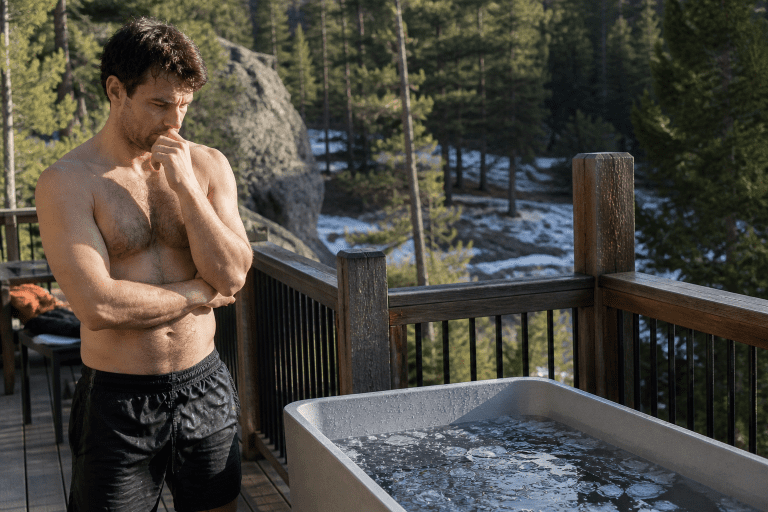
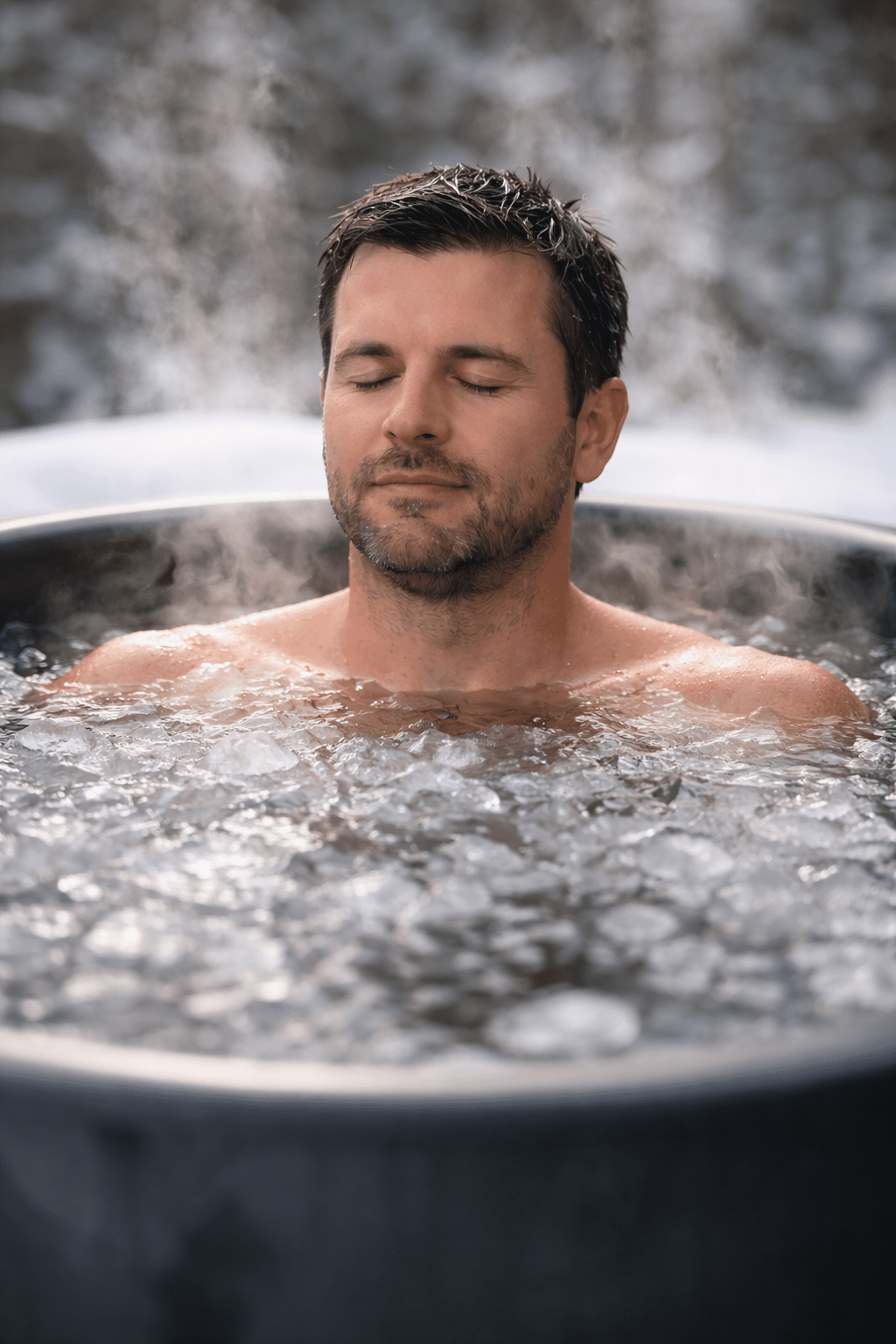
The second cold water hits your skin, your body treats it like a threat. Blood vessels constrict. Heart rate spikes. Blood pressure jumps. Your sympathetic nervous system — the fight-or-flight side — fires up hard.
This isn’t a malfunction. It’s your body doing exactly what it evolved to do. The challenge is that this initial shock is also the riskiest window, especially for anyone whose cardiovascular system is already under strain.
What does cold water do to your heart immediately? Cold water immersion triggers vasoconstriction, an immediate rise in heart rate and blood pressure, and activation of the sympathetic nervous system. These are acute stress responses. In healthy individuals, the heart adapts quickly. In those with cardiac conditions or arrhythmias, these sudden changes can be dangerous.
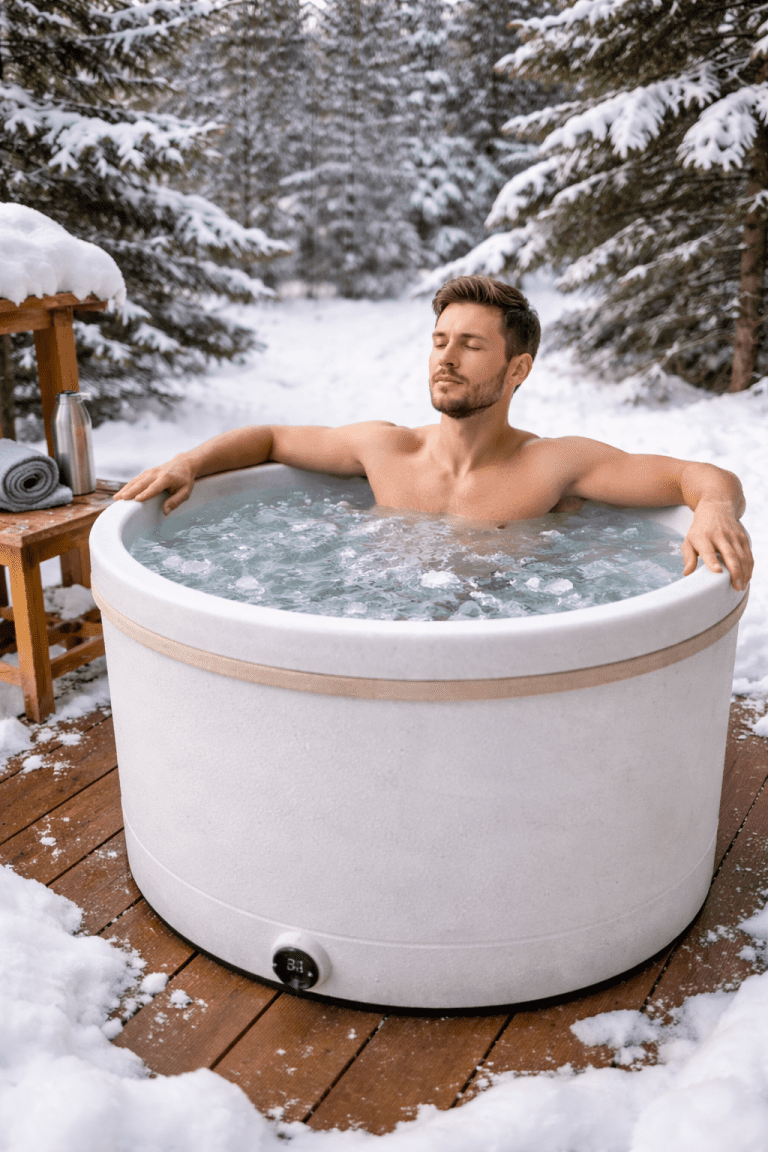
That spike doesn’t last long. As your body adjusts to the cold, parasympathetic activity — the rest-and-recovery system — starts to take over. Heart rate begins to slow. Breathing stabilizes. The transition from acute stress to controlled calm is actually part of what makes cold plunging physiologically interesting.
The Cardiovascular Effects of Ice Baths Over Time
This is where things get genuinely compelling. The acute stress response is just the entry point. What researchers are more interested in is what happens to the cardiovascular system with regular, consistent cold exposure.
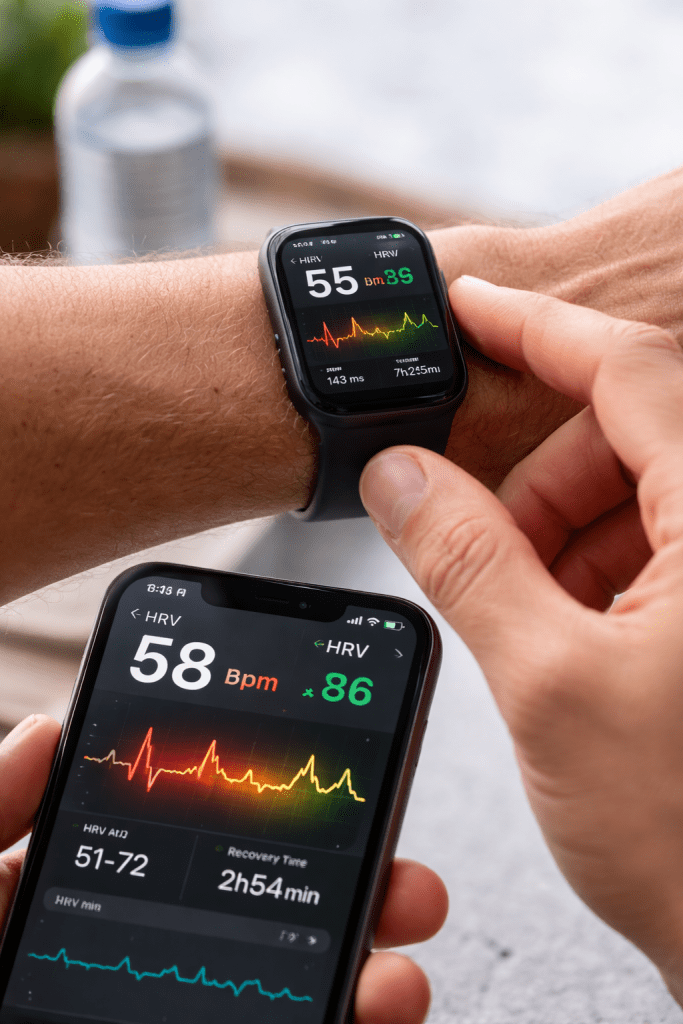
A 2024 review in the Journal of Thermal Biology examined 24 studies on cold exposure and found that cold water immersion appears to enhance parasympathetic activity — the part of the autonomic nervous system that promotes rest and recovery. This benefit was largely driven by improvements in heart rate variability (HRV), a measure of variation in time between heartbeats that reflects the heart’s ability to respond to rapid environmental changes. Harvard Health
Higher HRV is generally associated with better cardiovascular health. It suggests the heart isn’t working in a rigid, inflexible pattern — it’s responsive and adaptable. That’s a meaningful marker.
Research from the University of Oregon tracked college students before, during, and after cold water immersion and found significant reductions in heart rate, blood pressure, and cortisol levels after the plunge. Researchers also noted that participants reported improved mood three hours post-immersion, suggesting cardiovascular and psychological benefits may be linked. University of Oregon
The same team identified changes in blood flow shear stress patterns — the force blood puts on vessel walls — which may help explain why cold plunges support vascular health over time. This is the same mechanism at work during exercise, which is why some researchers draw a parallel between the two.
Studies on cold-adapted individuals — regular winter swimmers — showed significant reductions in cardiovascular risk markers including lower plasma homocysteine levels and improved antioxidant activity compared to control groups. The cold-adapted group consistently showed improvements not seen in those new to cold water exposure. PubMed Central
Do ice baths lower blood pressure? Research suggests that regular cold water immersion may contribute to modest reductions in resting blood pressure over time, primarily through improved vascular function and autonomic nervous system balance. However, the evidence is still emerging and individual results vary. Anyone with high blood pressure should consult their doctor before starting cold plunge practice.For a deeper understanding of how cold exposure influences blood flow, explore our guide on Does Cold Plunging Improve Circulation?
That said, it’s important to be balanced here. Harvard cardiologist Dr. Prashant Rao notes that while improvements in HRV are promising, they haven’t consistently shown a direct connection to better cardiovascular outcomes. He remains cautious about recommending cold water therapy, particularly because many of the proposed benefits can be achieved through other well-established interventions like exercise. Harvard Health
The cardiovascular effects of ice baths are real. But they exist on a spectrum — meaningful for healthy individuals who practice consistently, and potentially risky for those with underlying cardiac conditions.
What Cold Plunges Actually Cost
Cold plunge setups range from essentially free to serious investment territory. It depends entirely on how far you want to take it.
A basic bathtub fill with bags of ice costs roughly $3–8 per session. That adds up fast if you’re plunging multiple times a week. Purpose-built cold plunge tubs without chillers run $300–$1,500. They require manual ice or cold water refills each session.
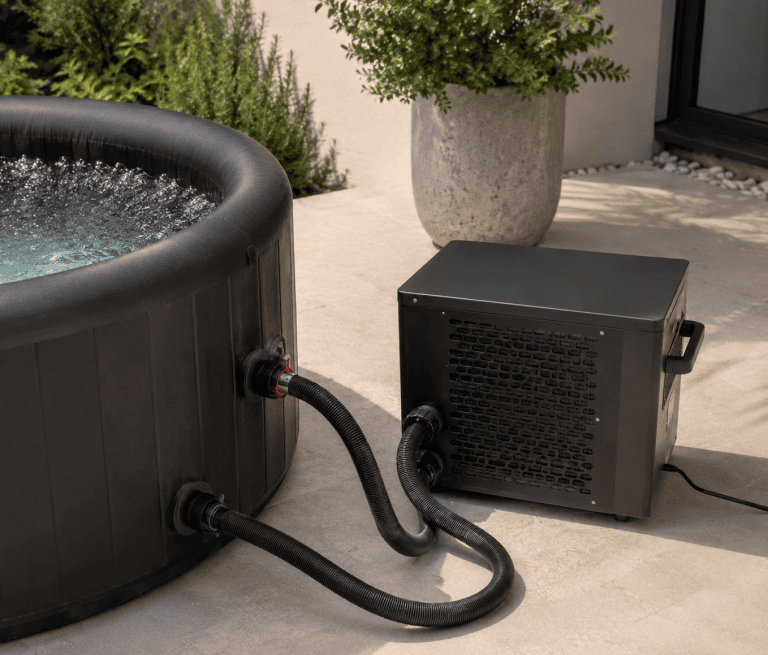
A chiller-equipped cold plunge — the kind that maintains temperature automatically — typically runs $3,000–$6,000 for a quality unit. That’s the setup serious cold therapy practitioners tend to gravitate toward. At the high end of the market, premium cold plunge tanks with all the options can reach up to $20,000. Mayo Clinic Health System
Running costs for a chiller unit add roughly $30–80/month to your electricity bill depending on how cold you go and how long it runs. Cheaper than a gym membership if you use it consistently.
Getting a Cold Plunge Set Up at Home
Ice baths don’t carry the same installation complexity as saunas or steam rooms, but there are still a few things to think through.
A basic tub setup needs nothing more than space, water access, and drainage. The tricky part comes when you add a chiller unit. Most residential chillers run on standard 120V power, but some higher-powered models require a 240V dedicated circuit — the same type used by electric dryers and ovens. Worth checking before you buy.
Outdoor setups are popular and generally require no permit. Once you start building a permanent deck fixture or custom enclosure around a cold plunge, local building codes may apply. Check with your municipality or visit usa.gov/home-improvement for guidance on what triggers a permit requirement in your area.
Placement matters too. Direct sun exposure in summer can work against a chiller system that’s trying to maintain 50–55°F. A shaded outdoor spot or a climate-controlled indoor area is ideal.
Maintenance: Keeping Your Plunge Clean
Cold water doesn’t kill bacteria the way a heated hot tub does. That means water hygiene requires consistent attention.
If you’re using a non-chiller tub with fresh water each session, maintenance is minimal — drain, rinse, refill. For chiller systems with standing water, you’ll need to treat the water regularly. Many users rely on a small amount of chlorine or bromine, similar to hot tub chemistry but at much lower levels. Ozone and UV filter systems are increasingly popular alternatives.
Drain and deep clean every 2–4 weeks depending on usage frequency. Test the water weekly with basic water chemistry strips. Keep a filter running whenever the unit is not in use. A clean plunge is a safe plunge — and it protects your equipment investment too.
Pros and Cons
Pros
- Improved heart rate variability with consistent practice
- Reduced resting heart rate and blood pressure (in healthy individuals over time)
- Significant cortisol reduction post-plunge
- Enhanced vascular function and circulation
- Mood improvement lasting several hours after a session
- Low ongoing cost compared to gym memberships or spa visits
Cons
- Acute cardiovascular stress at entry — dangerous for those with cardiac history
- Risk of arrhythmia in people with existing heart rhythm disorders
- Benefits are cumulative — single sessions don’t produce lasting cardiovascular changes
- Cold shock response in the first 30–60 seconds is genuinely risky if unprepared
- Research is still developing — many claims outpace current evidence
Ice Baths vs. Other Cold Therapy Methods
Ice baths are the most commonly discussed form of cold therapy, but they’re not the only one. Understanding how they compare helps you decide what’s actually worth your time and money.
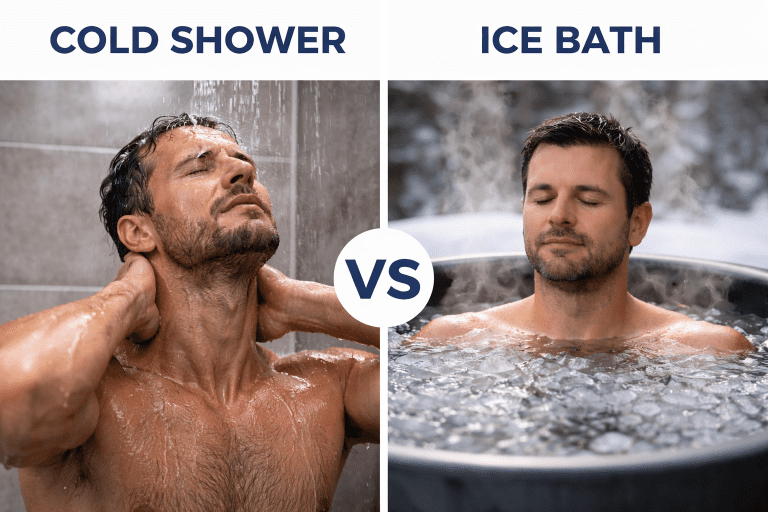
Cold Showers are the most accessible entry point. They provide some of the autonomic nervous system benefits of full immersion, particularly with consistent practice. However, the cardiovascular stimulus is notably weaker than full-body cold water immersion. Good for building tolerance. Less effective as a standalone cardiovascular tool.
Cryotherapy Chambers blast the body with extremely cold air (down to -58°F) for 2–3 minutes. They’re fast and avoid the cold shock of water immersion. The same 2024 Journal of Thermal Biology review included cryostimulation studies alongside cold water immersion and found similar parasympathetic improvements, suggesting both modalities work through comparable mechanisms. Harvard Health The major drawback is cost — sessions typically run $40–$80 each.
Winter Swimming / Open Water Cold Exposure is the traditional version of what most modern cold plunge units are trying to replicate. Highly effective, free, but uncontrolled — water temperature, duration, and conditions vary significantly. Higher risk profile, especially for beginners.
Contrast Therapy (Heat/Cold Alternation) — alternating between a sauna or hot tub and a cold plunge — amplifies the cardiovascular stimulus by forcing rapid vasoconstriction and vasodilation cycles. Popular in Scandinavian wellness traditions and increasingly common in US wellness facilities. The cardiovascular effects of ice baths used in contrast therapy sequences are likely greater than cold-only protocols.
Comparison Table
| Method | Cardiovascular Stimulus | Cost | Accessibility | Risk Level |
|---|---|---|---|---|
| Ice Bath / Cold Plunge | High | Low–High | Home-friendly | Moderate |
| Cold Shower | Low–Moderate | Minimal | Very easy | Low |
| Cryotherapy Chamber | Moderate–High | High (per session) | Facility-only | Low–Moderate |
| Winter Swimming | High | Free | Location-dependent | Higher |
| Contrast Therapy | Very High | Moderate–High | Gym or home | Moderate |
Helpful Gear
Getting serious about cold water immersion means having the right accessories. Here are a few worth picking up:
Digital Water Thermometer — Precise temperature tracking is essential. Hitting the 50–59°F sweet spot consistently makes a difference in results.
Waterproof Insulated Robe or Changing Poncho — Getting out of a cold plunge and standing around wet is unnecessary suffering. A quality insulated robe or surf-style changing poncho lets you transition fast and retain heat.
Water Test Strips (Multi-Parameter) — If you’re running a chiller unit with standing water, regular water testing is non-negotiable. A pack of multi-parameter strips covers pH, chlorine, and alkalinity in seconds.
Frequently Asked Questions
Are ice baths safe for people with heart conditions? Ice baths carry real cardiovascular risk for anyone with a cardiac history. The acute cold shock response causes an immediate spike in heart rate and blood pressure that can trigger arrhythmias or other cardiac events in vulnerable individuals. Anyone with heart disease, arrhythmias, high blood pressure, or circulation disorders should consult a cardiologist before attempting cold water immersion.
How long should you stay in an ice bath for cardiovascular benefits? Most research on cardiovascular effects uses sessions of 11–15 minutes, but meaningful autonomic nervous system benefits have been observed in sessions as short as 5 minutes. Beginners should start at 1–3 minutes and build gradually. Duration matters less than consistency — regular short sessions outperform occasional long ones.
How often should you cold plunge to improve heart health? Current research doesn’t point to a single universal answer, but most practitioners and researchers reference 3–5 sessions per week as a reasonable target for building cardiovascular adaptation. Daily plunging is practiced by some, though recovery and tolerance should guide your frequency more than any prescribed schedule.
The simple rule: If you’re healthy and cleared by a doctor, cold plunging consistently — not occasionally — is where cardiovascular benefits accumulate.
Summary Snapshot
- Immediate effects: vasoconstriction, elevated heart rate, blood pressure spike — normal and expected
- Short-term (post-session): reduced heart rate, lowered cortisol, improved mood
- Long-term (consistent practice): improved HRV, better vascular function, reduced cardiovascular risk markers
- Who should be cautious: anyone with arrhythmia, high blood pressure, PAD, or a history of heart events
- Starting point: 50–59°F water, 1–3 minutes, 3x per week, building over time
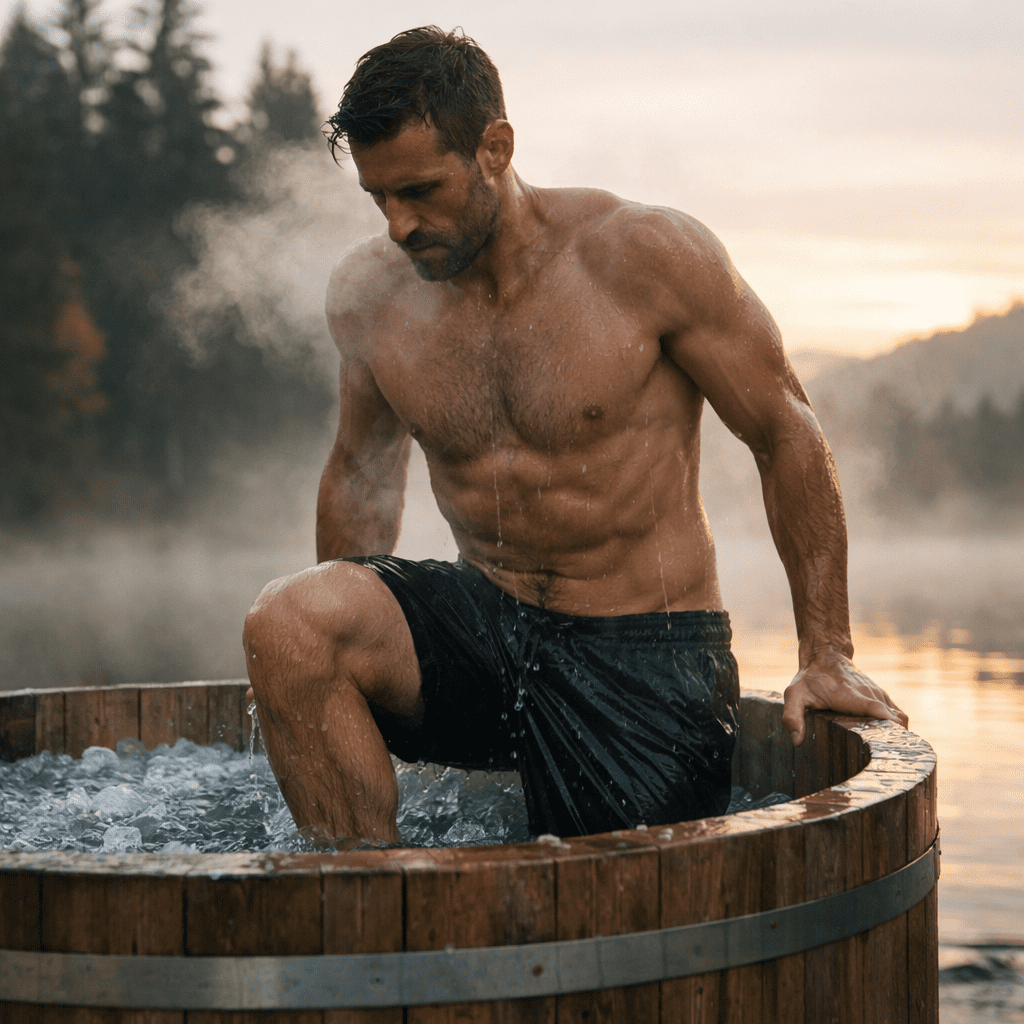
Final Verdict
The cardiovascular effects of ice baths are real, but they’re earned through consistency — not a single dramatic plunge. What the research points to is a gradual adaptation: better heart rate variability, improved vascular function, lower resting heart rate, and a more resilient autonomic nervous system. None of that happens after one session.
For healthy adults who approach it progressively — starting short, building over weeks — cold water immersion is a genuinely interesting tool for cardiovascular support. Experts suggest acclimating the body to increasingly colder water over time to lessen the cold shock response, starting with cool outdoor exposure or cooler showers before moving to full immersion. American Heart Association
The caveat matters just as much as the opportunity. If you have any existing heart conditions, arrhythmias, or circulation issues, cold plunging without medical clearance is not worth the risk. Talk to your doctor first. Full stop.
For everyone else: the science is promising, the barrier to entry is low, and the worst-case scenario of starting slowly is that you get a little cold. That’s a reasonable trade.