Proven Benefits of Cold Plunge Therapy (And What No One Tells You First)
Cold plunge therapy benefits are real — but they work best when you understand what you’re actually getting into before you buy a tub or jump in a freezing lake.
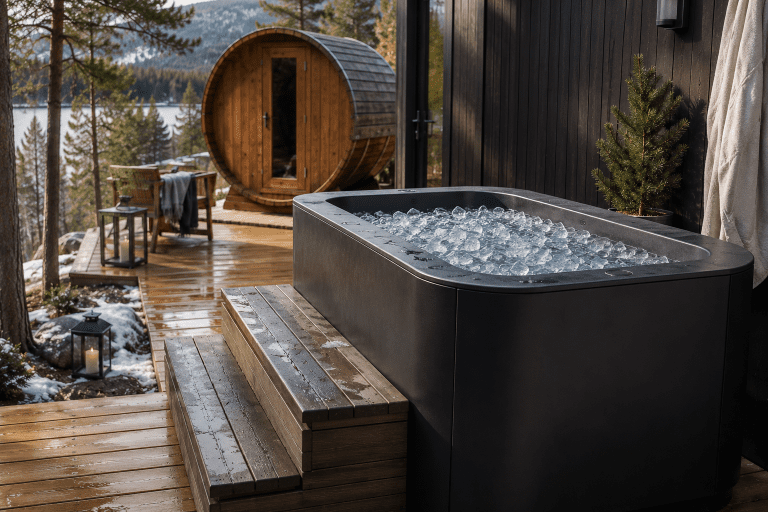
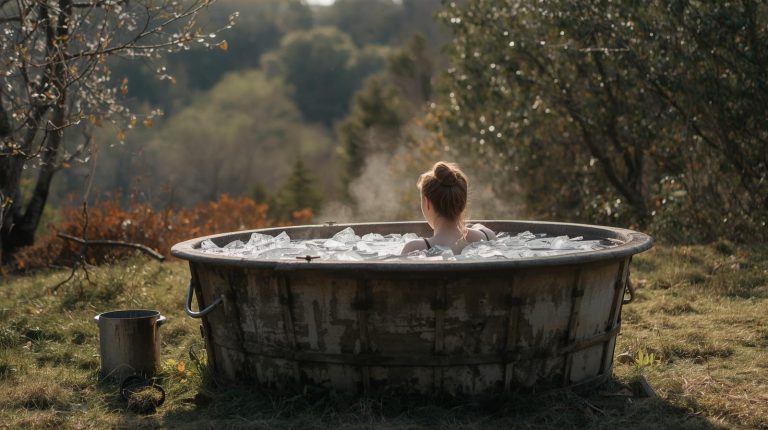
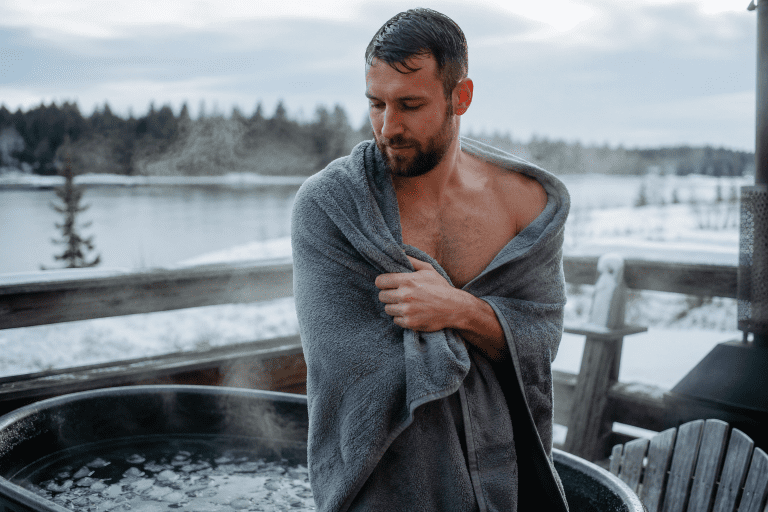
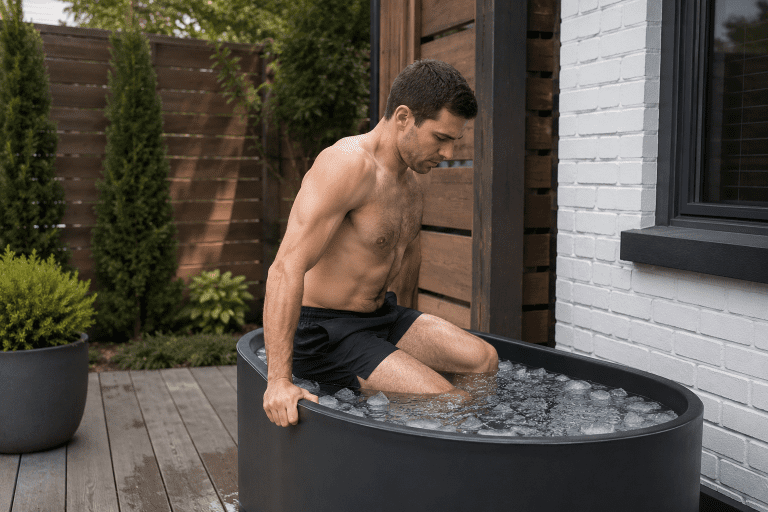
Most people hear “cold plunge” and immediately think elite athletes and ice baths. And yes, that’s part of it. But over the past few years, this practice has moved from pro sports facilities into backyards, garages, and bathrooms across the country — and the reasons people love it go well beyond the hype.
The cold plunge therapy benefits most people experience — reduced inflammation, better mood, and faster recovery — are well-supported by research. But the full picture includes costs, maintenance, and a few weeks of uncomfortable adjustment that most guides skip over.
This post may contain affiliate links. If you choose to purchase through them, I may earn a small commission at no extra cost to you.
Quick Snapshot
- Cold plunge therapy involves immersing the body in water typically between 39°F–59°F
- Sessions usually last 2–10 minutes depending on experience level
- Benefits include reduced inflammation, faster muscle recovery, improved mood, and better sleep
- Cost ranges from $300 (DIY chest freezer) to $5,000+ (premium plunge tubs)
- Not recommended for people with heart conditions without medical clearance
- Works best as a consistent habit, not a one-time event
Table of Contents
- What cold plunge therapy actually does to your body
- Cost reality
- Getting one set up
- Maintenance
- Pros and cons
- Cold plunge vs. ice bath vs. cryotherapy
- Comparison table
- Gear worth knowing about
- FAQ
- The simple rule
- Summary snapshot
- Continue Exploring
- Final verdict
- Explore all ice plunge guides
1. What Cold Plunge Therapy Actually Does to Your Body
When you lower your body into cold water, your nervous system responds immediately. Your blood vessels constrict, your heart rate spikes briefly, and your body floods with norepinephrine — a hormone tied to alertness, focus, and mood regulation.
That’s the short version. Here’s what consistent cold plunge therapy has been shown to do over time:
Reduces muscle inflammation and soreness Cold water causes vasoconstriction, which limits the inflammatory response that causes delayed-onset muscle soreness (DOMS). This is why athletes have used ice baths for decades. It doesn’t eliminate soreness entirely, but it shortens recovery time meaningfully — often by 24–48 hours.For a full breakdown of recovery timing and technique, see our Ice Plunge Recovery Guide.
Boosts mood and mental resilience Research into the mental-health effects of cold-water immersion is promising but not conclusive. A 2025 systematic review found a reduction in stress 12 hours after cold-water immersion, although it didn’t find consistent improvements in mood across the evidence reviewed. Some people do report feeling more alert or energised afterwards, but it’s better to treat that as a potential benefit rather than a guarantee.
Improves sleep quality Cold exposure in the evening helps drop your core body temperature, which is a natural cue for sleep onset. Many regular cold plungers report falling asleep faster and staying asleep longer — see what the research actually shows on cold plunging and sleep for the full picture.
Supports immune function Regular cold exposure appears to increase white blood cell counts, which strengthens immune response. The mechanism is tied to the mild stress the cold places on the body — a hormetic effect where small stressors build resilience.
Improves circulation The repeated cycle of vasoconstriction and vasodilation as you warm up after a plunge is often described as a “cardiovascular workout” for your blood vessels. Over time, this can improve overall circulation, which benefits heart health, skin health, and energy levels.
Sharpens mental focus Many users report a 2–4 hour window of heightened clarity after a cold plunge. This is tied directly to the norepinephrine and dopamine response. For people who work from home or need focused creative work, this has become a functional tool — not just a wellness ritual. Cold exposure also increases energy expenditure as the body works to maintain its core temperature. Our Does Cold Exposure Boost Metabolism? article looks specifically at brown fat, thermogenesis and how significant that metabolic effect really is.
2. Cost Reality
Cold plunge therapy doesn’t have to cost a fortune — but premium options do exist and there’s a wide range.
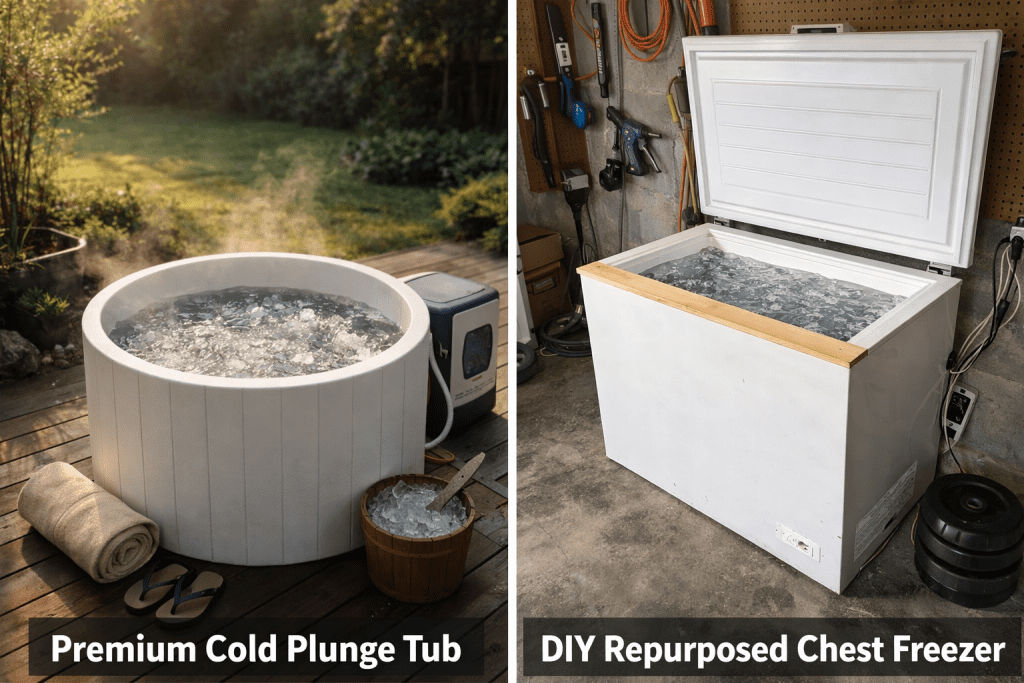
DIY chest freezer conversion: $300–$700 A deep chest freezer converted into a cold plunge is the most affordable long-term setup. You’ll spend $200–$400 on the freezer, add a chiller or ice, and manage it yourself. It works well but requires some setup effort.
Entry-level dedicated cold plunge tub: $800–$1,800 Brands like Ice Barrel, Plunge, and similar options offer purpose-built tubs with insulation and drainage. These are mid-range in both price and features.
Premium plunge tubs with built-in chillers: $2,500–$5,000+ These maintain a set temperature automatically, require minimal effort, and often include filtration systems. The Plunge Pro and comparable units fall here.
Ongoing costs to plan for:
- Electricity: a chiller-equipped unit can add $20–$50/month to your electric bill
- Ice (if using an unheated tub): $30–$80/month depending on use frequency
- Water treatment chemicals: $10–$20/month
For a full cost breakdown by setup type, including how DIY and chiller options compare over a year of use, see our complete guide to home ice bath system costs.
If you’re using this daily, a quality dedicated tub usually pays for itself compared to gym memberships or spa visits over 12–18 months.
3. Installation Friction
This is where most guides go quiet. Here’s what you actually need to know before buying:
Outdoor setup: Easiest option. You need a level surface (concrete pad or solid decking), access to a water source for filling, and a drain path or plan — our guide to ice plunge space requirements covers the clearance and layout side of this in more depth. Most tubs run on standard 110V power.
Indoor setup: Possible in a garage or bathroom, but drainage becomes a real consideration. A standard bathtub drain can handle most tubs, but you’ll want to confirm before installing anything permanent. Ventilation matters too if you’re running a chiller — they generate heat.
Apartment/condo: Challenging. Most full plunge setups aren’t practical without a private outdoor space. Some people use their bathtub with ice — functional but less consistent.
Permit requirements: In most US states, cold plunge tubs don’t require permits unless they’re installed as permanent structures or tied into your home’s electrical panel above standard amperage. Check local codes regardless.
4. Maintenance
Maintenance is often underestimated. Here’s the honest picture:
Water changes: If you’re not running filtration, you’ll change the water every 3–7 days. With a UV filtration or ozone system, you can extend that to 4–6 weeks.
Cleaning: Wipe down interior surfaces weekly. Biofilm builds up faster in warm months.
Chemical balance: Similar to a hot tub on a smaller scale — pH, sanitizer (bromine is gentler than chlorine for cold water), and water hardness all matter for both hygiene and tub lifespan.
Chiller maintenance: Annual inspection of the refrigerant system if you have a built-in chiller. Most manufacturers provide guidance; it’s similar to maintaining a mini-AC unit.
Winter outdoor care: In freezing climates, unheated outdoor tubs need to be drained or winterized to prevent cracking.
5. Pros and Cons
The cold plunge therapy benefits covered in this guide are real, accessible, and backed by research — but they require consistency to materialise.
- Genuine, well-documented recovery and mood benefits
- Works as a daily practice with low time commitment (5–10 minutes)
- Builds mental discipline over time
- Wide price range makes it accessible
- No chemicals or medication involved
Cons
- Initial cost can be significant
- Cold shock risk if you’re not acclimated — especially for beginners
- Not suitable for people with uncontrolled hypertension, heart conditions, or Raynaud’s disease without medical guidance
- Maintenance is real — it’s not a “set and forget” purchase
- Takes a few weeks to fully adjust; early sessions are hard
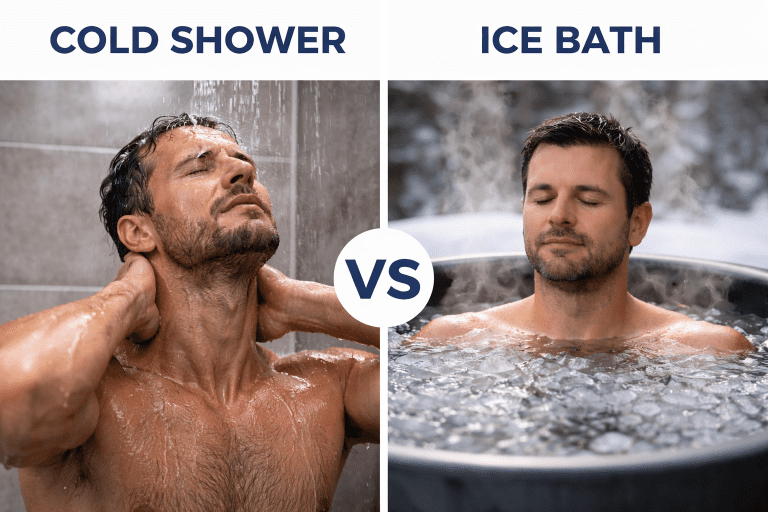
6. Cold Plunge vs. Ice Bath vs. Cryotherapy
These three are often grouped together but they work differently.
Cold plunge tub: Consistent temperature, reusable, home-based. The best long-term option for daily practice. Temperature is controlled and reliable.
Ice bath (DIY tub + ice): Lower cost but variable temperature and ongoing ice expense. Works well as a starting point but inconsistent.
Cryotherapy chamber: Extremely cold air (not water) for 2–3 minutes in a commercial facility. Fast and intense, but research is mixed on whether it outperforms water immersion. Sessions cost $40–$90 each.
7. Comparison Table
| Method | Setup Cost | Ongoing Cost | Temperature Control | Convenience | Best For |
|---|---|---|---|---|---|
| Cold plunge tub (chiller) | $2,500–$5,000 | $20–$50/mo electric | Excellent | High | Daily users, serious practitioners |
| Cold plunge tub (no chiller) | $800–$1,800 | $30–$80/mo ice | Variable | Medium | Budget-conscious buyers |
| DIY chest freezer | $300–$700 | $15–$30/mo electric | Good | Medium | DIY-comfortable users |
| Ice bath (bathtub) | $0–$50 | $30–$80/mo ice | Poor | Low | Beginners testing the practice |
| Cryotherapy sessions | $0 setup | $40–$90/session | N/A | Low | Occasional use only |
8. Gear Worth Knowing About
A few things that make the practice more sustainable and enjoyable — mentioned because they’re genuinely useful, not because you need to buy everything at once:
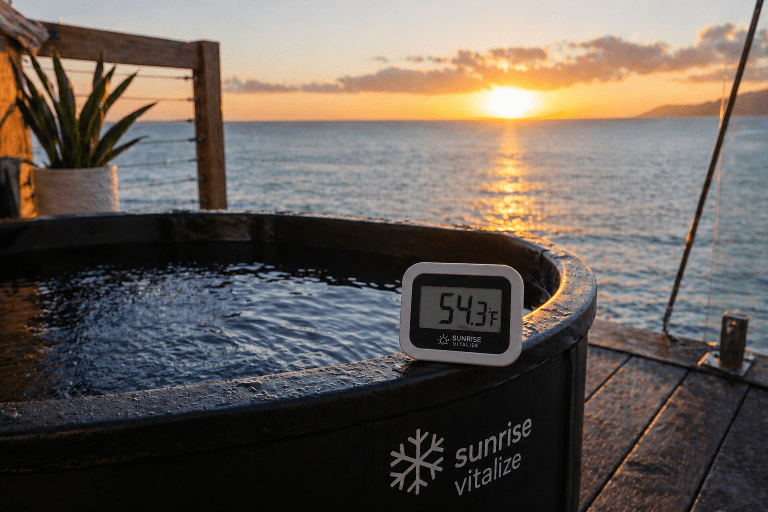
A quality thermometer: Water temperature varies more than people expect, especially without a chiller. A simple floating water thermometer makes it easy to keep an eye on the temperature before and during a plunge. Inexpensive and useful if you’re using ice rather than a temperature-controlled system.
Neoprene gloves (optional): Some people find these help them stay in longer while they’re still adjusting. Others prefer going without. Your call.
A plunge-ready cold tub : If you’re planning to cold plunge regularly, a purpose-built tub can make the setup more convenient than using a bathtub or improvised container. This type of tub still relies on ice rather than a built-in chiller, but it’s a relatively affordable way to get started.
9. FAQ
How cold should the water actually be? Most practitioners recommend 50°F–59°F for beginners, working down to 39°F–50°F as you acclimate. Going colder isn’t always better — the core benefits occur across this full range. Beginners who push below 50°F before they’re ready tend to panic-breathe and cut sessions short.
How long should I stay in? Start with 1–2 minutes and work up to 5–10 minutes over several weeks. You may see 11 minutes per week mentioned as a cold-exposure target, based on research discussed by Dr. Susanna Søberg and popularised by Dr. Andrew Huberman. But it isn’t a universal minimum for recovery or mood benefits. You don’t need to force long sessions — especially when you’re starting out.
Is cold plunge therapy safe if I have health conditions? Cold water immersion causes a rapid cardiovascular response — increased heart rate and blood pressure. Anyone with hypertension, heart disease, arrhythmia, or Raynaud’s disease should consult a doctor before starting. If any of those apply to you, our breakdown of heart risks and cold exposure covers the specific cardiovascular concerns in more detail. Pregnant women should also avoid cold plunging. For healthy adults, the risks are low when done with proper acclimation.
10. The Simple Rule
If you can commit to 3–5 sessions per week for 30 days, you’ll have a much better idea of whether cold plunge therapy fits your routine Once you’re past that trial period, it’s worth revisiting how often you should cold plunge long-term, since frequency needs often shift as you acclimate.
11. Summary Snapshot
- Potential cold plunge therapy benefits: post-exercise recovery, stress relief, sleep and wellbeing
- Optimal temperature for most users: 50°F–59°F
- Recommended starting duration: 1–2 minutes, working up to 5–10
- Entry cost: $300 (DIY) to $5,000+ (premium with chiller)
- Monthly upkeep: $20–$80 depending on setup
- Not suitable for: people with heart conditions, hypertension, or Raynaud’s without medical clearance
- Best results come from: consistency over weeks and months, not one-time use
12. Final Verdict
Cold plunge therapy has earned its reputation. The benefits are well-documented, the practice is accessible at multiple price points, and the commitment required per session is low. The obstacles are real too — upfront cost, maintenance, and that first few weeks of adjustment. But for people who stick with it, this tends to become one of those habits that becomes non-negotiable.The cold plunge therapy benefits covered in this guide are real — but they only compound with consistent use.
Start simple. Get the temperature right. Be consistent. The results take care of themselves.