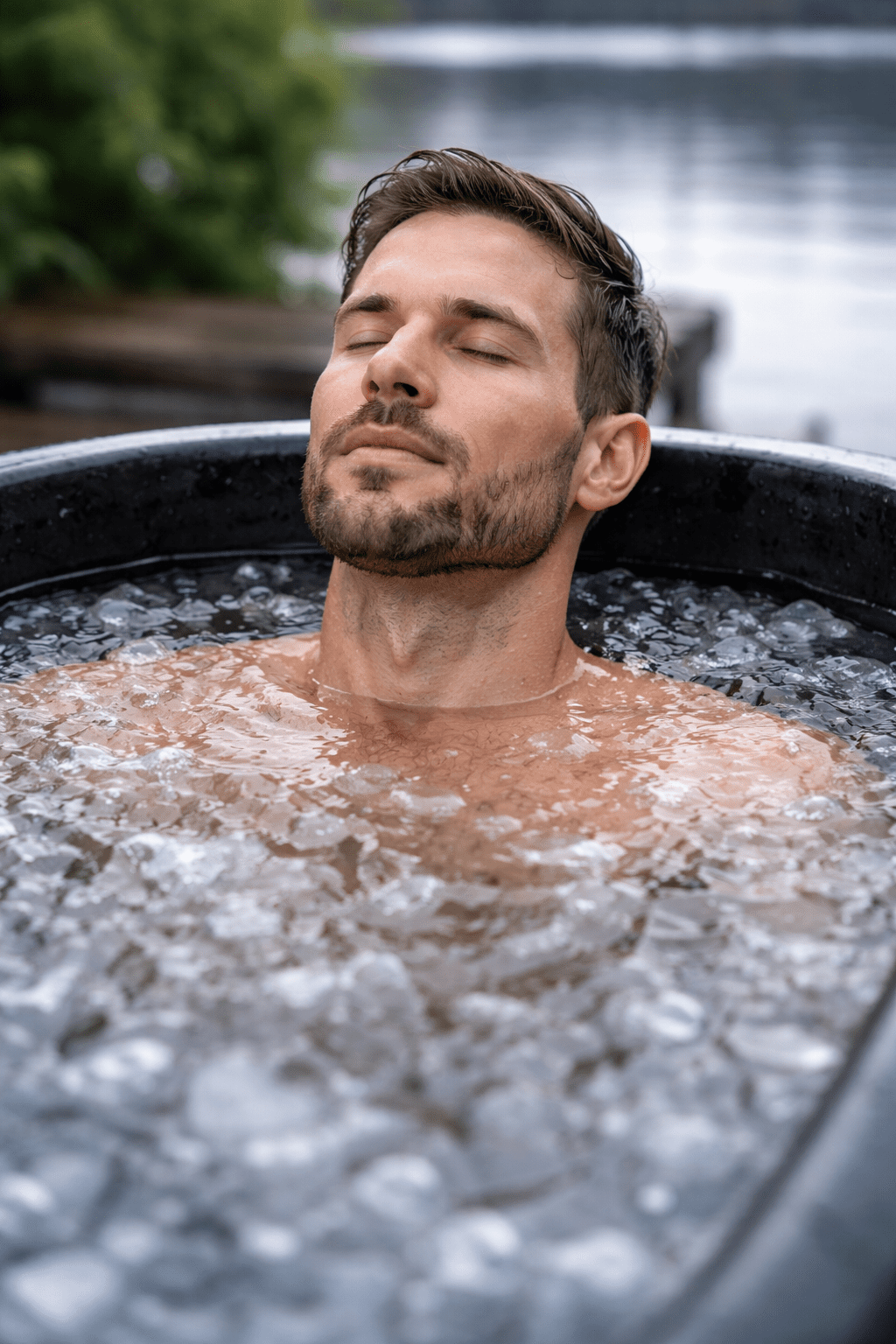
Does Cold Exposure Strengthen Immunity? What the Science Actually Says
Does cold exposure strengthen immunity? It’s one of the most searched questions in the cold therapy world right now — and honestly, the answer is more nuanced than the hype would have you believe.
A lot of people jump into cold plunges expecting an instant immune supercharge. The reality is a bit more interesting than that.
Quick heads-up: This post contains affiliate links. If you buy through them, we may earn a small commission at no extra cost to you. We only recommend gear we’d actually use.
Quick Snapshot
- Cold exposure does appear to modulate immune function — but “strengthen” depends heavily on how you do it
- Repeated, regular cold immersion shows more immune benefit than a single session
- Nasal immunity may actually dip during acute cold air exposure — relevant context most blogs skip
- White blood cell and lymphocyte activity appears to increase with consistent cold water habits
- Combining cold exposure with good sleep and nutrition matters more than plunging alone
Table of Contents
- What “immune strengthening” actually means
- Does cold exposure strengthen immunity — what research shows
- The cost reality of getting into cold plunging
- Installation and setup friction
- Maintenance of a cold plunge setup
- Pros and cons
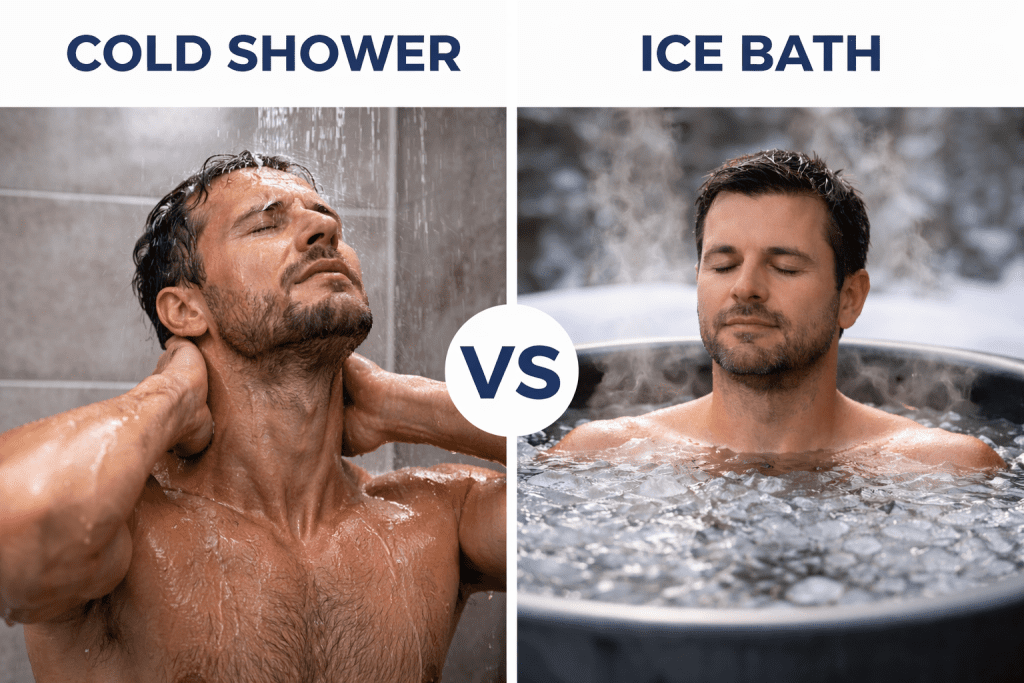
- Cold plunge vs cold shower for immunity
- Comparison table
- Helpful gear
- FAQ
- Final verdict
What “Immune Strengthening” Actually Means
Before diving into whether does cold exposure strengthen immunity, it’s worth pausing on what we even mean by a stronger immune system.
Your immune system isn’t a single dial you turn up. It’s a complex network of white blood cells, antibodies, cytokines, T cells, and signaling molecules — all working together and sometimes competing for resources.
When researchers talk about cold exposure and immune function, they’re looking at specific markers. Things like lymphocyte counts, NK (natural killer) cell activity, immunoglobulin levels, and cytokine production.
A “stronger” immune system in practical terms usually means faster pathogen response and less excessive inflammation. Cold exposure touches on both — but not always in the way the Instagram crowd describes.
Does Cold Exposure Strengthen Immunity — What Research Shows
So does cold exposure strengthen immunity according to actual data? Here’s where it gets genuinely fascinating.
A study involving repeated cold water immersions — three sessions per week over six weeks — found a small but meaningful increase in lymphocytes expressing IL-2 receptors, along with elevated monocyte proportions and plasma concentrations of tumor necrosis factor alpha. PubMed These are real immune activity markers. One single dip didn’t move the needle much. But consistency did.
More recent research published in 2024 found that regular cold shower exposure enhanced both humoral and cell-mediated immunity through upregulation of antibodies, interleukin-2, and interleukin-4, suggesting that brief cold stressors may prime the immune response through physiological adaptation. PubMed
Additional findings indicate that people with regular cold exposure habits show significantly higher immunoglobulin levels compared to controls, pointing to enhanced antibody-based immune activity. PubMed Central
That’s a meaningful signal — but it’s not a cure-all.
Research also shows that the acute effect of severe or prolonged chilling can actually suppress several immune components, including reduced lymphocyte proliferation and a drop in natural killer cell count — with adaptation to a given cold stimulus taking roughly two to three weeks to develop.
The takeaway here is stark: short, controlled, repeated cold exposure = potential immune benefit. Prolonged or extreme cold stress without adaptation = the opposite.
Does cold exposure help with colds and infections?
There’s an important nuance here that most cold plunge content glosses over. Research published in the Journal of Allergy and Clinical Immunology found that cold air exposure impairs nasal epithelial antiviral immunity — specifically reducing the secretion of protective extracellular vesicles that normally defend against respiratory viruses like rhinovirus and coronavirus strains.
So your systemic immune markers might be trending up with regular cold plunging — but breathing cold air through your nose in winter still creates a window for upper respiratory infections. Both things can be true at once.
According to Healthline’s medically reviewed overview of cold water therapy, circulation improvements and lymphatic stimulation are among the proposed mechanisms for cold exposure’s immune-adjacent benefits .
The Cost Reality of Getting Into Cold Plunging
If you’re serious about does cold exposure strengthen immunity becoming part of your wellness routine, you need to be realistic about what it costs to set up.
Entry-level chest freezer conversions run $200–$500 all-in if you’re handy. Dedicated cold plunge tubs from quality brands range from $800 to $5,000 depending on filtration and chiller systems.
A chiller unit alone — which maintains consistent water temperature without you constantly adding ice — typically costs $1,000–$3,000. That’s the premium category.
For most people starting out, a chest freezer conversion or a basic insulated tub with bagged ice works fine. Ice runs $3–$8 per bag depending on your area, and a good session needs 20–40 lbs to drop water to the 50–59°F range most commonly cited in research.
Monthly ongoing costs for an ice-based setup: $30–$80. For a chiller system: $15–$40 in electricity. Neither is budget-breaking once the upfront cost is covered. Before committing to a setup, it’s also worth knowing how long you should actually be in the water — our Ideal Ice Bath Duration guide covers the research-backed range.”
Installation and Setup Friction
Cold plunge setups are significantly easier to install than hot tubs or saunas. Most options require no electrical work beyond a standard 110V outlet.
Chiller systems may require a dedicated 20-amp circuit. That’s a call to an electrician — usually $150–$300 for a simple circuit addition. If you’re going into a garage or outbuilding, factor in weatherproofing.
Outdoor plunge tubs need a flat, stable surface. A simple concrete pad, pavers, or a reinforced deck section all work. Drainage matters — you’ll be refilling and draining weekly or bi-weekly depending on your sanitization approach.
No permits are typically required for a freestanding tub not connected to plumbing. If you’re doing a built-in installation with permanent plumbing connections, check with your local authority. USA.gov’s home improvement guide (https://www.usa.gov/home-improvement) is a good first stop for permit questions by state.
Maintenance
Cold water doesn’t sanitize itself. Sitting water in a plunge tub needs active management.
For basic tubs: change water every 1–2 weeks. Use a small amount of non-chlorine shock or diluted food-grade hydrogen peroxide to keep bacteria counts low between changes. A simple water test strip pack lets you check pH and sanitizer levels in under a minute.
For chiller systems with filtration: water changes drop to monthly or every 6–8 weeks. Filter cartridges need cleaning every 2–4 weeks depending on use frequency.
Keep a brush in your kit to wipe down the interior walls between changes. Biofilm buildup happens fast in standing water, especially in warmer months.
Cover your tub when not in use. It keeps debris out, slows evaporation, and reduces the load your chiller has to work against.
Pros and Cons
Pros of regular cold exposure for immunity:
- Consistent sessions appear to increase lymphocyte and monocyte activity over time
- May upregulate antibody production with repeated exposure
- Supports circulation and lymphatic flow — both relevant to immune function
- Low cost to start relative to sauna or hot tub
- No permit hassle for most basic setups
Cons to understand clearly:
- Single sessions show minimal immune effect — consistency is everything
- Acute cold air exposure can weaken nasal antiviral defenses
- Extreme cold without adaptation can suppress immune markers temporarily
- No substitute for sleep, nutrition, and stress management
- Limited large-scale human trial data — much research is still animal-model or small cohort
Cold Plunge vs Cold Shower for Immunity
This comparison matters because most people wondering does cold exposure strengthen immunity don’t have a tub set up yet.
Cold showers do produce some measurable immune effects. Research confirms that regular cold shower exposure enhances humoral and cell-mediated immunity, with brief cold stressors inducing physiological adaptations that prime the immune response over time. ScienceDirect The key word is “regular” — not one dramatic shower in January.
Cold plunges provide full-body immersion, which creates a more intense thermal shock and likely a stronger physiological response. The body’s total surface area in contact with cold water is dramatically higher than a shower.
For immune priming specifically, immersion is generally considered the more potent stimulus. But showers are infinitely more accessible — and the research does support them as a meaningful starting point.
Comparison Table: Cold Plunge vs Cold Shower for Immune Benefits
| Factor | Cold Plunge | Cold Shower |
|---|---|---|
| Intensity of cold stimulus | High | Moderate |
| Full body immersion | Yes | Partial |
| Immune research support | Growing | Moderate |
| Cost to start | $200–$5,000 | $0 (use existing shower) |
| Consistency required | Yes | Yes |
| Setup required | Yes | No |
| Recommended session length | 2–10 minutes | 30 seconds–3 minutes |
| Best for beginners | No | Yes |
Helpful Gear
Getting your cold plunge routine locked in is easier with the right supporting tools. Here are three worth knowing about:
Tempro waterproof wireless Thermometer — A no-fuss way to monitor your plunge water temperature remotely so you’re hitting the right range consistently.
Rainleaf Microfiber Towel — Post-plunge warmup matters. A fast-drying towel that doesn’t bunch up or leave you standing cold-wet is worth having on hand.
Speedo Unisex-Adult Swim Cap .Keeps your hair dry and adds a layer of thermal protection if you’re doing longer sessions. Highly rated, widely available, practical for regular use.
FAQ
Does cold exposure strengthen immunity with just one session? One cold plunge session shows minimal immune impact in most research. The benefits appear with repeated, consistent exposure over several weeks. Think of it less like a switch and more like a training stimulus — the immune adaptations build with regular practice, not a single dramatic plunge.
How cold does the water need to be to get immune benefits? Most research supporting immune effects uses water in the 50–59°F (10–15°C) range. Colder than that isn’t necessarily better and increases risk without added benefit. A reliable thermometer matters more than going as cold as possible.
Can cold exposure make you more likely to get sick? Acute nasal cold air exposure can temporarily reduce your respiratory antiviral defenses — which is why people seem to get colds more often in winter. Cold plunging in a controlled setting is different from standing in freezing air, but it’s worth warming up properly after sessions and not standing around wet in the cold afterward.
The Simple Rule
Consistent, moderate cold exposure over weeks builds immune adaptation. A single session, extreme cold, or going too long too fast doesn’t — and might do the opposite.The simple rule on does cold exposure strengthen immunity: consistency beats intensity every time.
Summary Snapshot
Does Cold Exposure Strengthen Immunity:
- Cold exposure and immunity is a real connection — but it requires consistency
- Regular immersion (3x/week for 6+ weeks) shows meaningful immune marker improvement
- Severe or prolonged cold without adaptation can suppress immune function
- Cold showers offer a lower-barrier starting point with real supporting research
- Supporting your immune system means cold exposure plus sleep, nutrition, and stress management — not cold exposure alone
Final Verdict
Does cold exposure strengthen immunity? The honest answer is: yes, probably — if you do it consistently, at appropriate temperatures, and give your body time to adapt.
The research isn’t perfect. A lot of it is still small-cohort or animal-model. But the direction of the evidence is positive for regular, moderate cold immersion as part of a broader wellness stack.
It’s not a magic bullet. And it’s not a replacement for sleep, good food, or managing chronic stress — all of which dwarf any single wellness practice in their immune impact. But as a repeatable, low-cost habit that stacks nicely into a morning routine? The case for cold plunging holds up.
If you’re ready to set up your own at home, we’ve rounded up our current top picks below.
![blood pressure and cold plunges]](https://sunriseandvitalize.com/wp-content/uploads/2026/05/vidar-nordli-mathisen-0fN21zv8yYo-unsplash-768x448.jpg)