
Steam Room and Detox Myths: 5 Claims the Science Debunks
Steam room and detox myths are everywhere right now — and honestly, it’s hard to blame anyone for believing them.
Walk into any wellness space and you’ll hear someone say they’re “sweating out toxins.” It sounds logical. It feels true when you step out of a steam room drenched and somehow lighter. But the science tells a more complicated — and actually more interesting — story.
Quick note: Some links in this post are affiliate links. If you buy through them, we may earn a small commission at no extra cost to you. We only recommend gear we’d genuinely use.
Quick Snapshot
- Steam rooms do not detox your body through sweat — your liver and kidneys handle that
- Heat exposure in steam rooms does improve circulation and may support recovery
- Real benefits include skin hydration, stress relief, and respiratory comfort
- Overheating and dehydration are genuine risks worth understanding
- Steam rooms are a solid wellness tool — just not for the reasons most people think

Table of Contents
- What Steam Room and Detox Myths Actually Claim
- The Core Explanation: What Steam Rooms Really Do
- Cost Reality: What You’ll Pay to Steam Regularly
- Installation Friction: What Getting a Home Steam Room Involves
- Maintenance: Keeping a Steam Room Clean and Safe
- Pros and Cons
- Steam Room vs Sauna: Which One Wins for Wellness?
- Comparison Table
- Helpful Gear
- FAQ
- Final Verdict
What Steam Room and Detox Myths Actually Claim
The detox narrative around steam rooms follows a familiar pattern. Sweat a lot, feel cleansed, assume something harmful left your body. It’s intuitive, which is probably why it stuck.
The claim usually goes one of two ways. Either that steam rooms help flush heavy metals and chemicals through your pores, or that regular sessions actively support your body’s “detoxification system.” Neither holds up under scrutiny.
Your skin is not a filtration organ in any meaningful sense. It keeps things out far more than it lets them out. The actual detox work — breaking down alcohol, metabolic waste, environmental chemicals — happens in your liver and kidneys around the clock, whether you’re in a steam room or sitting on your couch.
The Core Explanation: What Steam Rooms Really Do
So if steam rooms don’t detox you, what are they actually doing?
The honest answer: quite a lot — just through different mechanisms than the myths suggest.
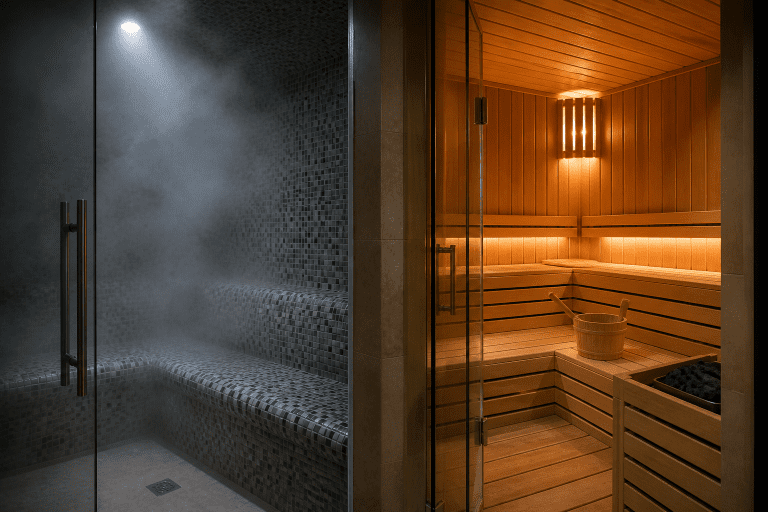
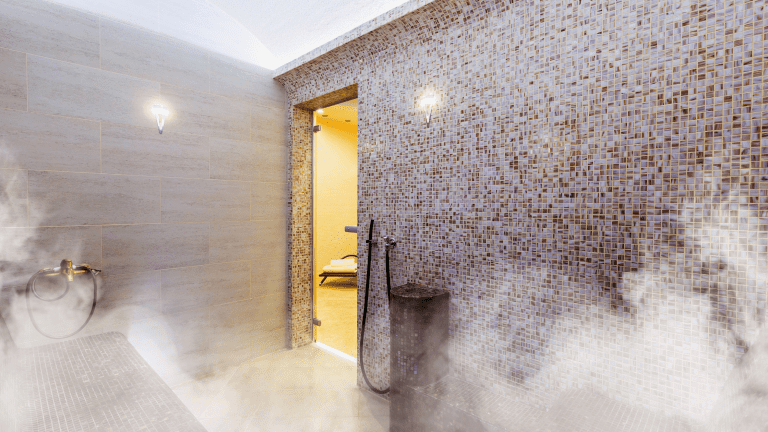
Steam rooms operate at 100–114°F with humidity levels close to 100%. That combination of heat and moisture raises your core body temperature, which triggers a cascade of genuine physiological responses. Your heart rate increases. Blood vessels dilate. Circulation improves throughout the body.For a closer look at what’s actually happening in your bloodstream during a session, do steam rooms improve circulation? breaks down the mechanism.
According to Healthline’s medically reviewed overview of steam room benefits, steam exposure has been linked to improved circulation, potential reduction in muscle soreness, and better respiratory comfort — particularly for people dealing with congestion or sinus issues.For anyone using steam specifically for congestion or sinus relief, steam rooms for respiratory health covers what the science actually supports.
Skin hydration is another real benefit. Unlike dry saunas, steam rooms keep the air saturated, which means your skin absorbs moisture rather than losing it. Many people notice genuinely softer, more supple skin after regular sessions.If skin is your main reason for steaming, are steam rooms good for skin? goes deeper into the hydration effect.
The stress relief angle is also legitimate. Heat exposure promotes relaxation through multiple pathways, including the release of endorphins and a reduction in cortisol levels. That “ahh” feeling you get stepping into a steam room isn’t just psychological — it has a physiological basis.
So what do steam rooms actually do to your body? Steam rooms raise core temperature, improve circulation, open airways, and promote skin hydration. They support relaxation and recovery through heat exposure. They do not remove toxins — that work is done by your liver and kidneys regardless of how much you sweat.
Cost Reality: What You’ll Pay to Steam Regularly
If you’re thinking about regular steam room access, you have two realistic paths: gym membership or home installation.
Gym and spa memberships with steam room access typically run $40–$120 per month depending on your location and facility quality. In major cities, premium wellness clubs can push well past that. If you use the steam room three or four times a week, the per-session cost becomes reasonable over time.
If you want a more flexible option, portable steam tents are an easy entry point. Most quality models on Amazon sit in the $250–$400 range, require no installation, and can be set up, used, and packed away in minutes.
Home steam room installation is a different conversation entirely. A basic prefabricated steam shower enclosure starts around $2,000–$4,000 for the unit alone. Add professional installation, waterproofing, and a quality steam generator and you’re typically looking at $5,000–$10,000+ for a complete setup.
Ongoing costs are modest by comparison. Steam generators use electricity and water, and monthly running costs for regular home use generally fall in the $20–$60 range depending on session frequency and local energy rates.
Installation Friction: What Getting a Home Steam Room Involves
Home steam room installation is not a weekend DIY project for most people.
The core requirement is a completely waterproofed enclosure — walls, ceiling, and floor all need appropriate tile, grout, and moisture barriers. Steam at high humidity will find any weakness in a standard bathroom finish and cause serious damage over time.
You’ll also need a dedicated electrical circuit for the steam generator, typically 240V. Permits are often required for both electrical work and structural modifications, depending on your local building codes. According to USA.gov’s home improvement guidance, most significant home modifications require permits and licensed contractors.
The ceiling in a steam room needs to be sloped — flat ceilings cause condensation to drip directly onto users. This sounds minor but it’s a detail many first-time installers miss until it’s an expensive fix.
If you’re adding a steam feature to an existing shower, some systems can be retrofitted. But for a proper experience, purpose-built enclosures with adequate insulation and drainage will always outperform conversions.If you’re weighing which unit to buy before you build, best home steam generators compares what actually works.
Maintenance: Keeping a Steam Room Clean and Safe
Steam rooms are warm, humid, and — if neglected — ideal environments for mold, mildew, and bacteria. This is one area where steam room and detox myths can cause real problems people focus on the promised benefits, while overlooking the maintenance that actually makes it work long term.
A basic cleaning routine involves wiping down surfaces after each use and running a deeper clean with appropriate tile and grout cleaner weekly. Leaving the door open between sessions to allow airflow makes a meaningful difference in preventing buildup.
The steam generator itself needs periodic descaling, especially in areas with hard water. Mineral deposits reduce efficiency and lifespan. Most manufacturers recommend a descaling flush every one to three months depending on usage frequency and water hardness.
For home units, checking seals and grout lines every six months catches problems before they become costly. Small cracks allow moisture to penetrate walls and cause structural damage that’s far more expensive to fix than a tube of grout.
Public and gym steam rooms have their own hygiene considerations.— and steam room and detox myths aside, hygiene is the one area where real risk exists. Wearing flip-flops, sitting on a towel, and showering before entering are sensible habits regardless of how clean the facility appears.
Pros and Cons
Pros
- Genuine circulation and cardiovascular benefits from heat exposure
- Respiratory comfort, particularly for congestion and sinus issues
- Skin hydration superior to dry sauna environments
- Strong relaxation and stress relief effects
- Can support muscle recovery when used post-exercise
Cons
- Steam room and detox myths create unrealistic expectations that lead to disappointment
- Dehydration risk is real — the humid environment masks how much fluid you’re losing
- Overheating is possible, especially for beginners or those with cardiovascular conditions
- Home installation is expensive and requires professional work
- Not suitable for pregnant women, people with certain heart conditions, or anyone on medications that affect heat tolerance
Steam Room vs Sauna: Which One Wins for Wellness?
The steam room vs sauna debate is genuinely useful to understand — Especially once you’ve moved past steam room and detox myths and want to choose the right option for your actual goals.
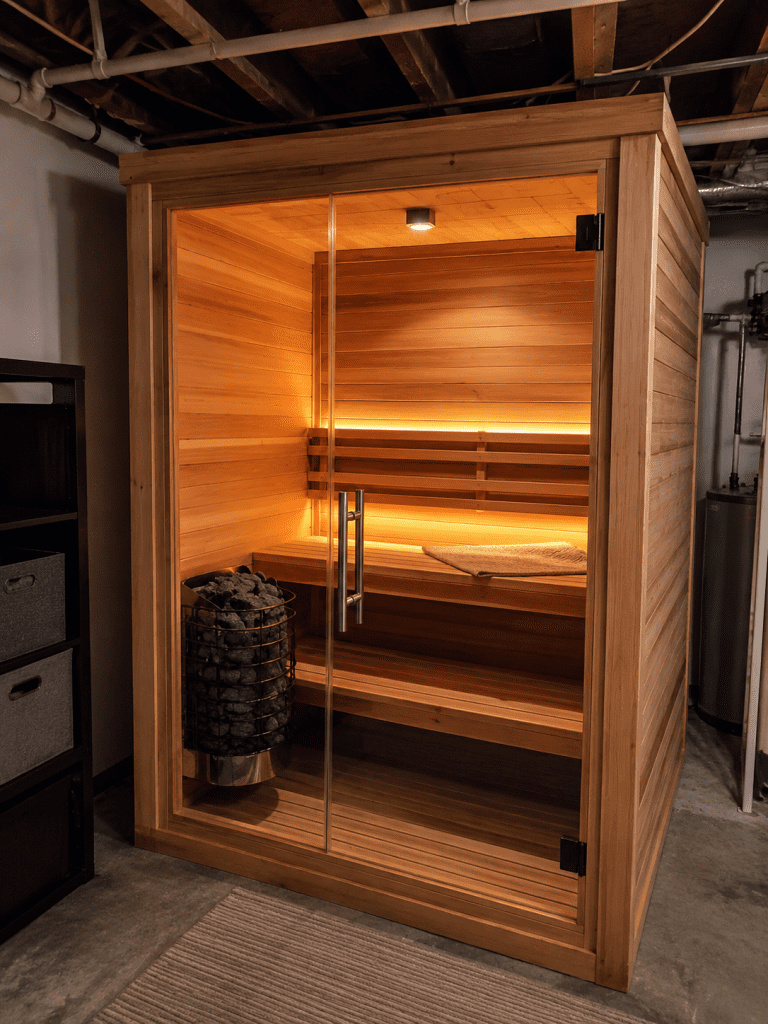
Saunas run dry, typically at 160–200°F, with low humidity. Steam rooms sit around 100–114°F with close to 100% humidity. The different temperature-humidity combinations produce different physiological effects.
For respiratory benefits and skin hydration, steam rooms have the edge. The moist air directly benefits airways and keeps skin from drying out during the session.
For cardiovascular intensity and the deep heat experience that many sauna enthusiasts prefer, traditional dry saunas generally deliver more. The higher temperatures create a more demanding physiological response for most people.
If you’re exploring sauna options alongside steam, checking out [CROSS-LINK: best sauna heaters] gives a solid overview of what drives the quality of a dry sauna experience.
Both are genuinely useful wellness tools. The best one is the one you’ll actually use consistently.
Comparison Table
| Feature | Steam Room | Traditional Sauna | Infrared Sauna |
|---|---|---|---|
| Temperature | 100–114°F | 160–200°F | 120–150°F |
| Humidity | ~100% | 5–20% | 5–20% |
| Skin hydration | Excellent | Low | Low |
| Respiratory benefit | High | Moderate | Moderate |
| Cardiovascular load | Moderate | High | Moderate |
| Home installation cost | $5,000–$10,000+ | $3,000–$8,000 | $1,500–$5,000 |
| Detox claims | Myth | Myth | Myth |

Helpful Gear
A few things that make steam room sessions more comfortable and effective.
Eucalyptus Oil for Steam Rooms — Adding a few drops to the steam intake or a small eucalyptus bundle near the steam head enhances the respiratory benefits noticeably.
Microfiber Steam Room Towels A proper towel to sit on and wrap up in post-session makes a real difference in comfort.
Digital Thermometer and Hygrometer Useful for home steam room owners who want to monitor temperature and humidity levels accurately.
FAQ
Do steam rooms actually detox your body? No. Steam room and detox myths persist because sweating feels like elimination, but sweat is primarily water and electrolytes — not toxins. Your liver and kidneys are responsible for filtering waste products from your blood. Steam rooms support wellness through heat exposure, circulation, and relaxation, not detoxification.
How long should you stay in a steam room? Most wellness professionals recommend 10–20 minutes per session for healthy adults. Beginners should start at 5–10 minutes and build tolerance gradually. Staying longer increases dehydration and overheating risk without meaningfully increasing benefits. Always hydrate before and after. For a fuller breakdown of frequency and session length, how often should you use a steam room? has the honest answer.
Is a steam room or sauna better for skin? Steam rooms generally win for skin hydration because the high-humidity environment keeps moisture available throughout the session. Traditional saunas can actually dry the skin slightly. For skin softness and pore-opening effects, steam room exposure has a clearer advantage. Both improve circulation, which benefits skin tone over time.
The simple rule: Steam rooms are genuinely useful for circulation, respiratory comfort, skin hydration, and stress relief — but they don’t remove toxins, and expecting them to will always lead to disappointment.
Summary Snapshot
- Steam room and detox myths are not supported by science — sweat is not a detox pathway
- Real benefits include improved circulation, skin hydration, and respiratory comfort
- Sessions of 10–20 minutes suit most healthy adults
- Home installation requires professional work and dedicated electrical setup
- Clean your steam room consistently to prevent mold and bacteria
- Steam rooms complement a wellness routine — they don’t replace liver and kidney function

Final Verdict
Steam rooms are a legitimate wellness tool with real, documented benefits. The problem isn’t the steam room — it’s the mythology that’s grown up around it.
Steam room and detox myths have made it harder for people to appreciate what these spaces genuinely offer. When the expected “detox” doesn’t materialize, people write off the experience entirely. That’s a shame, because the circulation benefits, skin hydration, respiratory comfort, and genuine stress relief are worth showing up for.
Go in with accurate expectations. Hydrate properly. Limit sessions to a sensible duration. Clean your unit regularly if you have one at home.
The steam room won’t filter your blood. But it might be one of the more effective, accessible heat therapy tools you can add to a real wellness routine.
If you’re exploring steam room options for home use, our picks are a good place to start.
Also worth reading:
For a broader look at what heat therapy actually does to the body, our post on steam room health benefits breaks down the physiology in more detail.
If you’ve ever wondered how cold exposure compares to heat therapy for recovery, our overview of cold plunge benefits covers the other end of the spectrum.