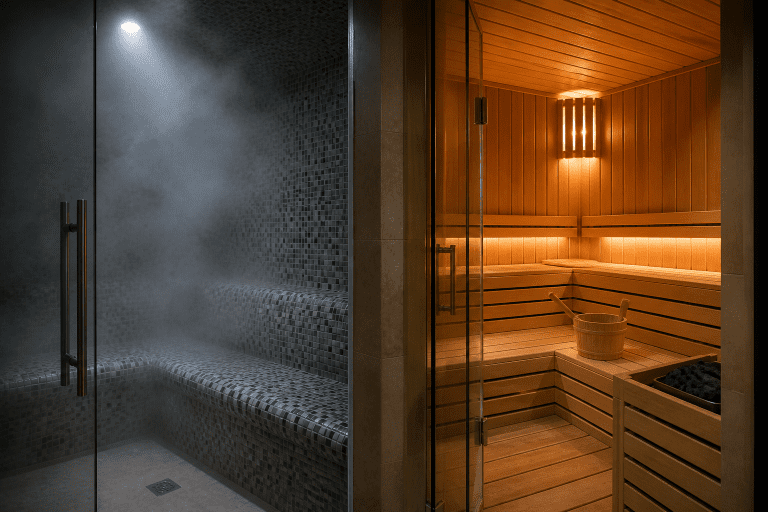

Steam Rooms for Respiratory Health:What the Science Actually Says
Steam rooms for respiratory health have been quietly gaining attention — not just among spa enthusiasts, but among people dealing with everyday congestion, seasonal allergies, and chronic sinus issues. If you’ve ever stepped into a cloud of warm mist and immediately felt your airways open up, you already know the feeling. But is there real substance behind it, or is it just a pleasant placebo? Steam rooms for respiratory health have been used as a natural support tool long before the science caught up.
Let’s get into it honestly.
Quick note: This post contains a few affiliate links. If you click and buy, we may earn a small commission at no extra cost to you — it helps keep the site running. We only recommend things we’d actually use.
Quick Snapshot
- Steam rooms create warm, humid air (100% humidity, 110–120°F) that may help loosen mucus and ease breathing
- Regular sessions may benefit people with sinusitis, asthma, bronchitis, and seasonal allergies
- Benefits are real but modest — steam is a complement to medical care, not a replacement
- Sessions of 10–20 minutes are typical; always hydrate before and after
- Costs range from $3,000–$15,000+ installed; pre-built units start lower
- Maintenance is manageable but real — weekly cleaning prevents mold and bacteria

Table of Contents
- How steam rooms affect the respiratory system
- What the research actually says
- Cost reality
- Installation friction
- Maintenance
- Pros and cons
- Comparison: steam rooms vs. other therapies
- Helpful gear
- FAQ
- Final verdict
Steam Rooms for Respiratory health:The Effects
The mechanism isn’t magic — it’s physics and physiology working together.
When you sit in a steam room, you’re breathing air that’s saturated with water vapor at temperatures between 110°F and 120°F. That warmth and moisture work on your respiratory tract in a few distinct ways.
First, the mucus factor. Dry or thickened mucus is the root of a lot of respiratory discomfort — congestion, sinus pressure, that heavy feeling in your chest. Warm, humid air helps thin mucus secretions, making it easier for your body to clear them naturally. Think of it like loosening a stuck lid with warm water.
Second, the airway effect. Heat causes blood vessels in the mucous membranes to dilate, which temporarily increases blood flow and can reduce swelling in inflamed passages. For people with mild nasal congestion or post-viral stuffiness, this can bring noticeable short-term relief.
Third, the cilia. Your respiratory tract is lined with tiny hair-like structures called cilia that sweep debris and pathogens upward and out. Research suggests cilia function better in adequately humid conditions — chronic dry air is one of the reasons heated indoor spaces in winter can make congestion worse. A steam room gives those cilia better working conditions.
Does steam help asthma specifically? For some people with mild, stable asthma, steam inhalation may temporarily ease breathing by reducing airway irritation and loosening secretions. However, very hot and humid air can also trigger bronchospasm in others. Anyone with asthma should consult their doctor before using a steam room regularly, and should exit immediately if breathing becomes more difficult.
What the Research Actually Says
The honest answer is: the evidence is promising but not definitive.
A number of studies have examined steam inhalation for upper respiratory tract infections and sinusitis, with mixed results. A 2015 Cochrane review on steam inhalation for the common cold found that it offered some symptom relief — particularly for nasal congestion — but that effects were modest and not universal. More recent work has been cautiously positive about warm, humid environments reducing the viability of certain airborne pathogens.The evidence positions steam rooms for respiratory health as a supportive complement rather than a clinical treatment.
For chronic respiratory conditions like COPD and bronchitis, some research suggests that regular exposure to steam may support mucus clearance, but this is generally studied in the context of clinical nebulizer therapy, not home steam rooms specifically.
One area where steam rooms have stronger support is post-exercise recovery for athletes who also experience exercise-induced respiratory stress — the combination of heat and humidity appears to support airway relaxation in that context.
For a broader look at how heat and humidity affect respiratory health, healthline’s over view of steam room benefits is worth a read.
The bottom line: steam rooms aren’t a treatment. They’re a tool — one that can make breathing feel more comfortable and may support your body’s natural clearing mechanisms, especially when used consistently. The evidence positions steam rooms for respiratory health as a supportive complement rather than a clinical treatment.
Cost Reality
Steam rooms sit at a wider price range than most people expect.
Pre-built steam shower units — the most accessible option — start around $2,000–$4,000 for a complete enclosure and generator combo. These are designed for home installation and work in a standard bathroom footprint Anyone considering a steam room for respiratory health should factor in both the unit and installation costs from the start..
Dedicated steam room builds — a custom-tiled steam room with a separate steam generator, proper waterproofing, a vapor barrier, and a bench — typically runs $5,000–$15,000 for a mid-range residential installation. High-end custom builds can push past $20,000.
Ongoing costs break down into:
- Water usage: steam rooms use roughly 2 gallons of water per session — modest
- Electricity: a typical residential steam generator (7–12 kW) costs $0.50–$1.50 per session depending on your rate
- Generator maintenance/replacement: steam generators last 8–15 years and cost $500–$2,000 to replace
If you’re exploring steam rooms specifically for respiratory benefits, a mid-range pre-built unit is usually the best entry point. You get real steam therapy without the full custom build cost.
Installation Friction
Steam rooms are more installation-intensive than saunas, and it’s worth being clear-eyed about that.
The biggest difference from a regular shower or sauna is waterproofing. A steam room operates at 100% humidity continuously — that level of moisture will find every gap in your walls, floor, and ceiling. Proper installation requires a full vapor barrier behind all tile surfaces, a ceiling with a slight slope (so condensation drips to the sides rather than on you), and a steam-tight door seal.Regular cleaning keeps your steam room for respiratory health performing consistently and safely.
Other practical considerations:
- Ceiling height matters: 7–8 feet is ideal; higher ceilings mean the steam generator has to work harder to fill the space
- Electrical requirements: most generators require a dedicated 240V circuit
- Generator placement: the generator itself doesn’t need to be inside the steam room — it can sit in an adjacent cabinet or closet, with a steam head mounted inside
- Ventilation: the room itself doesn’t need a vent, but your bathroom needs adequate ventilation to handle the humidity that escapes when the door opens
Professional installation is strongly recommended — improper waterproofing is the leading cause of structural damage and mold issues in steam rooms.
Maintenance
Steam rooms require consistent attention. The combination of heat, moisture, and human bodies creates a favorable environment for bacteria, mold, and mineral buildup if left unchecked.Keeping steam rooms for respiratory health clean is the most important ongoing task.
Weekly tasks:
- Wipe down tile and bench surfaces with a mild, non-toxic cleaner
- Check the steam head for mineral deposits and clean if necessary
- Leave the door open after each session to allow drying
Monthly tasks:
- Deep clean the steam generator with a descaling solution (mineral buildup is the primary cause of generator failure)
- Inspect door seals for wear
- Check tile grout for any early signs of mold
Annually:
- Have a professional inspect the steam generator and electrical connections
The maintenance commitment is real but not overwhelming. Most owners who develop a simple post-session routine (wipe down, leave the door open) find it manageable. It’s when that routine slips that problems compound quickly.
Pros and Cons
Pros:
- Immediate, noticeable relief for nasal congestion and sinus pressure
- May support mucus clearance in people with chronic sinusitis or bronchitis
- Deeply relaxing — stress reduction has its own respiratory benefits
- Can be used year-round regardless of weather
- Complements other wellness practices well
Cons:
- Not suitable for everyone — people with certain heart conditions, very high blood pressure, or severe asthma should consult a doctor first
- Benefits are temporary; consistent use is needed for ongoing results
- High upfront installation cost
- Requires diligent maintenance to prevent mold
- Not a substitute for medical treatment of serious respiratory conditions
Comparison: Steam Rooms vs. Other Respiratory Support Options
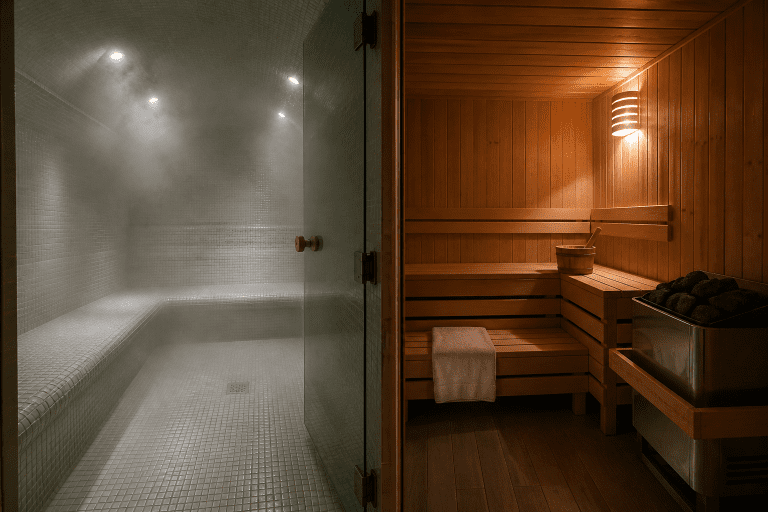
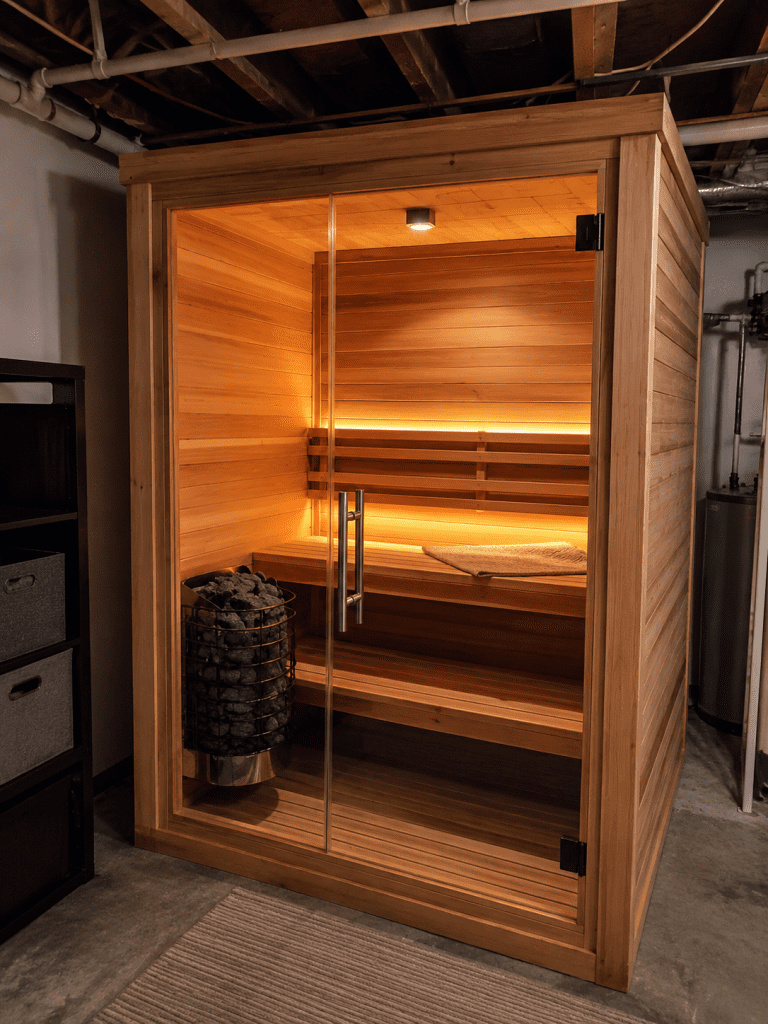
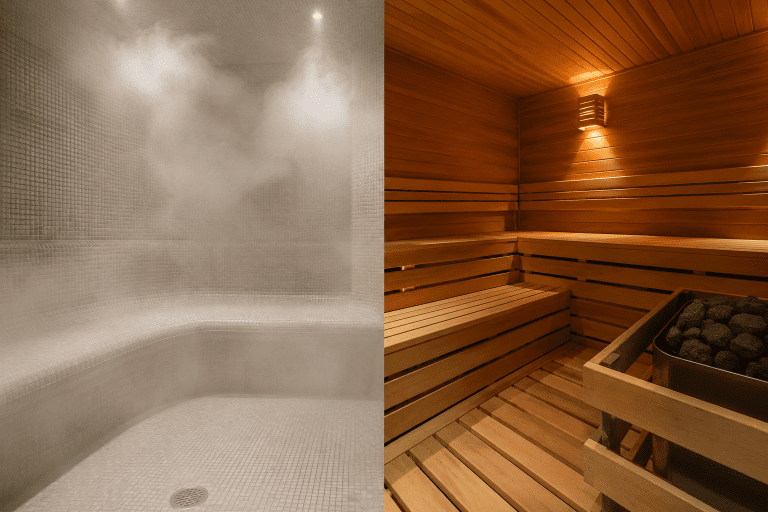
Steam room vs. sauna for respiratory health: Traditional saunas use dry heat (10–20% humidity vs. 100% in steam rooms), which means the mucus-thinning effect is less pronounced. Saunas offer their own respiratory benefits — some evidence suggests heat stress may reduce inflammation — but for direct airway humidification, steam rooms have the edge ,check our comparison post on steam rooms vs saunas for respiratory benefit.The humidity level in steam rooms for respiratory health is what separates them from dry saunas.
Steam room vs. nebulizer/humidifier: Medical nebulizers deliver medicated mist directly to the airways — that’s a treatment. A steam room provides ambient humidification — that’s supportive care. For people with serious respiratory conditions, a nebulizer or prescribed inhaler is the clinical tool; the steam room is the complementary one.
Steam room vs. nasal irrigation: Nasal irrigation (neti pots, rinses) physically flushes the nasal passages and has stronger clinical evidence for sinusitis relief. Many people find these approaches work well together — steam to loosen, rinse to flush.
Steam room vs. hot shower steam: A hot shower provides several minutes of steam exposure, but a dedicated steam room delivers sustained, consistent humidity at higher temperatures for longer sessions. For occasional relief, a hot shower works. For regular therapeutic use, there’s a meaningful difference in exposure quality.Steam rooms for respiratory health are most effective when used consistently rather than occasionally.
Comparison Table
| Steam Room | Sauna | Humidifier | Hot Shower | |
|---|---|---|---|---|
| Humidity level | 100% | 10–20% | Varies | Variable |
| Temp range | 110–120°F | 160–195°F | Ambient | ~105°F |
| Mucus thinning | Strong | Moderate | Mild | Mild |
| Session cost | $0.50–$1.50 | $0.50–$2.00 | Minimal | Minimal |
| Setup cost | $$$$ | $$$$ | $ | $0 |
| Maintenance | Moderate-High | Moderate | Low | None |
| Best for | Sinus/bronchitis | Whole-body heat | Daily ambient humidity | Quick relief |
Helpful Gear
A few items that pair well with steam room use for respiratory support:
Eucalyptus oil — A few drops on a eucalyptus-infused sachet or steam diffuser accessory can amplify the respiratory-clearing effect. Look for 100% pure eucalyptus essential oil with high reviews and Amazon’s Choice designation.
Sauna thermometer/hygrometer — Monitoring temperature and humidity helps you optimize sessions and catch generator issues early. Look for a waterproof model rated for high-humidity environments. Designed for saunas but works equally well in steam rooms
Microfiber steam room towels — Absorbent, quick-dry towels designed for high-humidity environments hold up better than regular cotton.
(We select products based on ratings of 4.2+ stars and high sales volume. Verify current availability on Amazon before purchasing.)
FAQ
Can steam rooms help with chronic sinusitis? Steam rooms may provide meaningful relief for people with chronic sinusitis by warming and humidifying the nasal passages, which helps thin mucus and supports drainage. Most users report noticeable short-term improvement in congestion. However, steam therapy addresses symptoms rather than underlying causes — it works best alongside medical treatment rather than as a standalone approach.Steam rooms for respiratory health work best as a consistent habit rather than an occasional visit.
How long should you sit in a steam room for respiratory benefits? For steam rooms for respiratory health benefits, 10-20 minutes is the research-supported range.. Longer isn’t necessarily better — overexposure can cause dehydration, dizziness, or in some cases airway irritation. Starting with 10 minutes and building gradually is a sensible approach. Drink water before and after.
Are steam rooms safe if you have asthma? It depends on the individual and the severity of the condition. Some people with mild, stable asthma find that steam room sessions ease breathing; others find that very humid air triggers bronchospasm. Anyone with asthma — especially moderate to severe — should get clearance from their doctor before regular steam room use, and should always exit if breathing becomes more difficult during a session.
The simple rule: if you have a respiratory condition that’s under active medical management, steam rooms are a complement — not a replacement. Use them alongside your prescribed care, not instead of it.
Summary Snapshot
- Steam rooms deliver 100% humidity that actively thins mucus and supports airway comfort
- Best evidence is for sinus congestion, bronchitis symptom relief, and post-illness recovery
- Sessions of 10–20 minutes, 3–5 times per week, appear to offer the most consistent benefit
- Costs run $2,000–$15,000+ to install; ongoing sessions cost under $2
- Maintenance requires weekly attention to prevent mold and mineral buildup
- Not suitable for everyone — check with a doctor if you have serious cardiovascular or respiratory conditions
Final Verdict
Steam rooms for respiratory health occupy a genuine and useful middle ground — more than a spa indulgence, less than a clinical treatment. The science supports their use as a supportive tool for people dealing with recurrent sinus congestion, mild bronchitis, seasonal allergies, and general upper respiratory discomfort.
The honest caveat is consistency. A single session feels great; real benefit builds over weeks of regular use. The people who get the most from steam rooms tend to treat them the way they treat exercise — a habit, not an event.
If you’re already dealing with a serious respiratory condition, the steam room should be a conversation you have with your doctor, not a decision you make instead of having it. But for the majority of people looking to breathe a little easier, feel less congested, and give their airways some genuine support, a steam room is one of the more enjoyable tools available.Steam rooms for respiratory health sit in a genuinely useful middle ground between spa indulgence and clinical treatment.
For a deeper look at what steam rooms can do beyond respiratory support, our Steam Room Health Benefits post covers the full range of wellness benefits. If you’re also interested in contrast therapy, our Cold Plunge Benefits post explores the cold exposure side of recovery.