Cold Plunge Safety: Ice Bath vs Professional System — Which Actually Protects You Better?
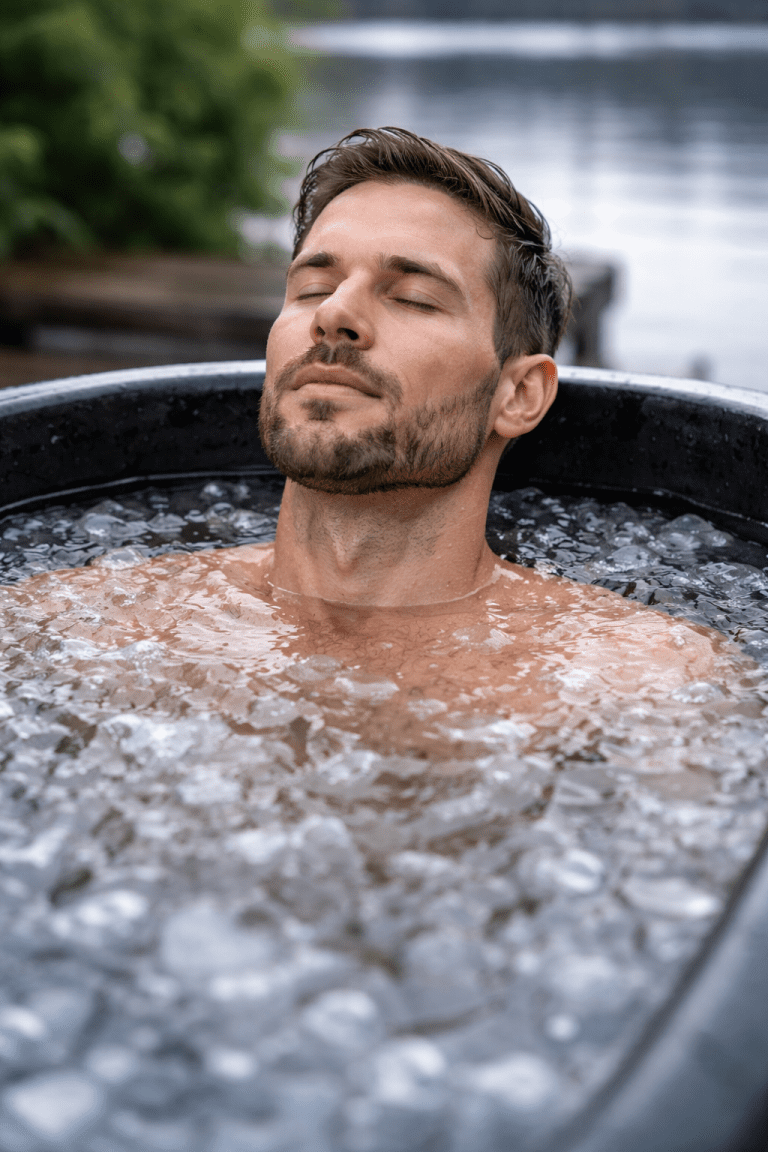
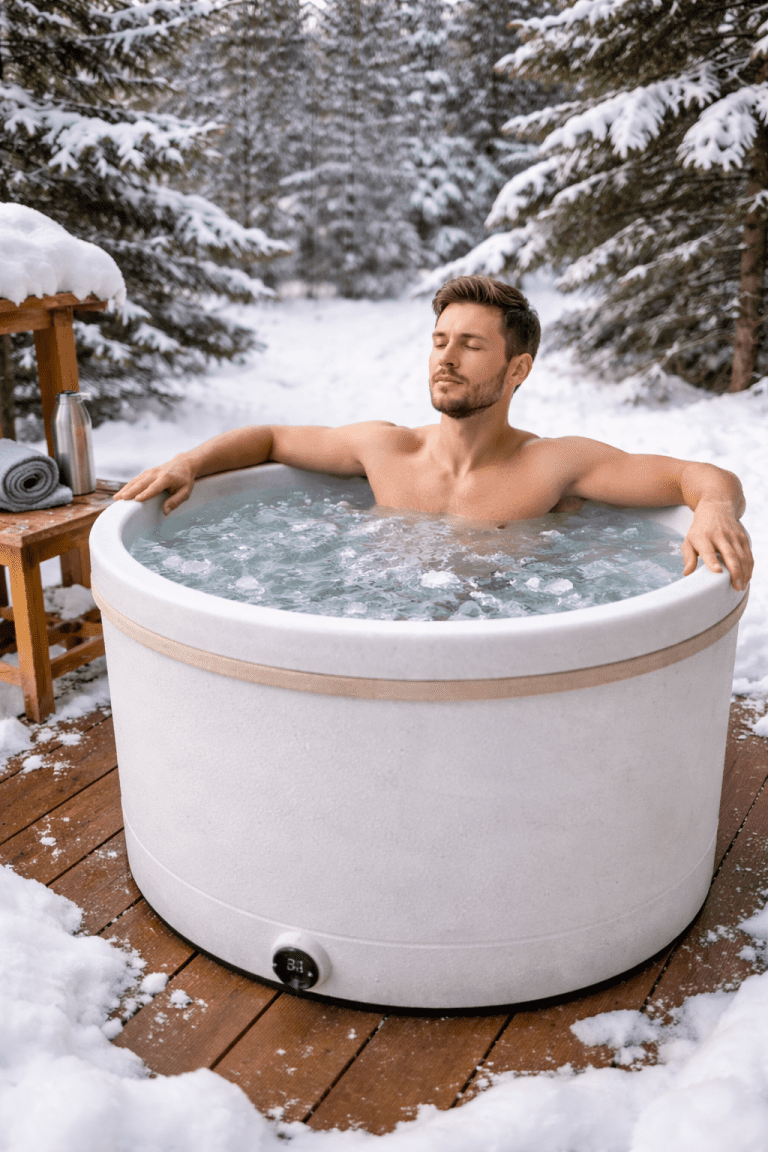
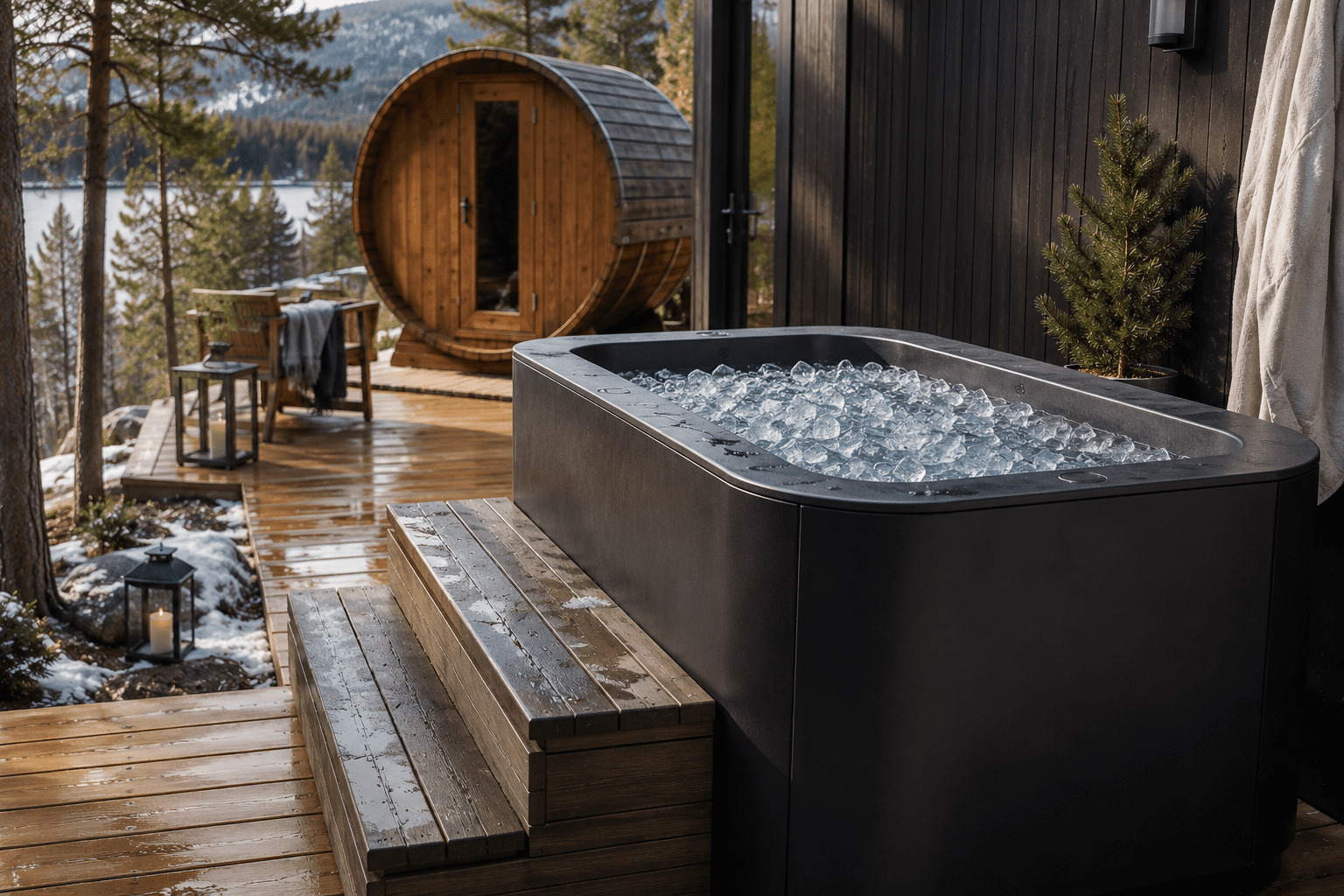
Cold plunge safety is the conversation most people skip entirely — right up until something goes wrong. You’ve seen both options: a bag of ice dumped into a chest freezer lined with a tub liner, or a purpose-built cold plunge unit sitting clean and dialled-in on someone’s patio. Both get you cold. But they don’t carry the same risk profile, and the differences matter more than most guides admit.
I’ve been doing cold showers daily for years, but the first time I did a proper full-body plunge it was immediately clear these are not comparable experiences. A cold shower is discomfort. A full plunge is a genuine physiological event — heart rate spikes, breathing changes, and the mental effort required is real. That gap matters a lot when we’re talking safety.
Quick disclosure: Some links in this post are affiliate links. If you buy through them, I earn a small commission at no extra cost to you — it helps keep this site running.
Quick Snapshot
- DIY ice baths are cheaper but introduce more safety variables
- Professional systems offer temperature control, filtration, and consistency
- Neither option is dangerous if used correctly — both can be if used carelessly
- The biggest risks are cardiovascular shock, hypothermia, and contaminated water
- Beginners should always start shorter and warmer than they think they need
- One underrated risk in DIY setups: no automated shutoff if you pass out or go under
Table of Contents
- What Cold Plunge Safety Actually Means
- The Real Cost of Getting This Wrong
- Installation Friction: What Each Setup Actually Requires
- Maintenance and Water Quality
- Pros and Cons of Each Option
- 7 Key Safety Differences Between Ice Baths and Professional Systems
- Comparison Table
- Helpful Gear
- FAQ
- Final Verdict
What Cold Plunge Safety Actually Means
Cold plunge safety is a broader subject than temperature. Most first-timers fixate on how cold the water is. What actually matters is the combination of water temperature, session duration, how fit and healthy you are going in, and what your setup does (or doesn’t do) if something goes wrong.
Both DIY ice baths and professional cold plunge units can produce the physiological benefits — reduced inflammation, improved recovery, the mood lift that follows. Healthline notes that cold water immersion activates the sympathetic nervous system and releases norepinephrine, which contributes to both the alertness and the cardiovascular stress that comes with it. That stress is manageable for most healthy adults. It becomes a problem when you remove the variables you can control.
What is the biggest safety risk in cold plunge use? Cardiovascular shock from sudden immersion is the primary acute risk — particularly for people with undiagnosed heart conditions. A sharp drop in skin temperature causes an involuntary gasp reflex, rapid heart rate spike, and potential arrhythmia in susceptible individuals. Going in slowly and breathing deliberately before full immersion reduces this significantly.
The Real Cost of Getting This Wrong
Cold plunge safety doesn’t have to cost thousands to achieve — but cutting cost in the wrong places creates genuine exposure. A basic DIY ice bath using a chest freezer or stock tank can be set up for $200–600 depending on what you already own. A purpose-built professional system runs $3,000–$8,000 for a quality unit with filtration, a chiller, and a digital thermostat.
The cost reality is this: the DIY route saves money on the front end but transfers responsibility entirely to the user. There’s no built-in temperature ceiling. No automated water quality monitoring. No warranty on the cold delivery system. That doesn’t make it dangerous by default — plenty of people use ice baths safely — but the margin for error is smaller.
Professional systems are priced partly on convenience and partly on risk management features. A unit with a thermostat that holds water at exactly 50°F removes one of the main safety variables: you always know what you’re getting into. With a DIY setup using ice bags, water temperature can vary by 10–15°F depending on how recently you topped up the ice.
At least one H2 here contains a number — see section heading below.
Installation Friction: What Each Setup Actually Requires
The biggest cold plunge safety consideration here is whether your setup is stable, waterproof, and appropriate for the environment. A chest freezer conversion in a garage needs proper drainage planning, a GFCI outlet, and ideally a drain hole or sump pump to manage water changes. These are not complex — but they’re also not things most people think about on day one.
Professional units arrive largely ready to run. You still need a dedicated electrical circuit (most require 15–20 amp GFCI), a flat surface, and a drainage plan. Some require a technician for first setup; others are genuinely plug-and-run once positioned correctly. The permit question rarely applies to cold plunge units specifically, but if you’re building an enclosure or doing electrical work, check your local permit requirements via Nolo before starting.
One thing most guides don’t mention: outdoor DIY setups using a stock tank or similar container need to be positioned on a surface that won’t shift or tilt. If a 300-litre container of cold water tips while someone is inside or stepping out, the injury risk is real.
Maintenance and Water Quality
Cold plunge safety depends partly on water hygiene, and this is where DIY setups fall down most noticeably. Stagnant cold water — particularly in an unfiltered stock tank or chest freezer liner — is a bacterial growth environment. At cold temperatures bacterial growth is slower, but it doesn’t stop. Without filtration and sanitisation, water in a DIY ice bath should be changed every 1–3 days depending on use frequency.
Professional systems include filtration and often UV or ozone sanitisation. Water can safely be maintained for weeks or months with correct chemistry — similar in principle to a hot tub. This matters practically: if maintaining a DIY setup becomes a chore, it tends to get neglected, and that’s when the hygiene risk builds up.
The secondary maintenance issue is the ice itself. Sourcing and storing ice for frequent use adds up financially and logistically. At $2–4 per 10lb bag and typical session requirements of 40–80lbs, this becomes a recurring line item that most DIY cost estimates ignore.
The smell is also a real indicator — a well-maintained cold plunge shouldn’t have any odour. If it does, the water needs to come out immediately.
Pros and Cons of Each Option
DIY Ice Bath
Pros: Low upfront cost. Flexible — can be set up and decommissioned. No proprietary parts. Easy to understand. Good starting point for beginners testing commitment.
Cons: Cold plunge safety profile with a DIY setup is entirely user-managed. No temperature consistency. No filtration. Water changes are frequent. Ice sourcing is a recurring cost and task. No shutoff features.
Professional Cold Plunge System
Pros: Precise temperature control. Built-in filtration. Consistent experience. Lower ongoing maintenance burden. Most include safety certifications. Better suited to regular, long-term use.
Cons: High upfront cost. Requires dedicated electrical setup. Larger footprint. Repairs require proprietary knowledge or warranty claim.
7 Key Safety Differences Between Ice Baths and Professional Systems
Cold plunge safety differs significantly between these two options across several specific dimensions. Here’s where the gap actually shows up:
1. Temperature control. Professional units hold a set temperature. DIY ice baths fluctuate as ice melts — you may be entering water at 45°F one day and 58°F the next. That inconsistency matters for dosing exposure correctly.
2. Overflow and containment. Getting into a full container displaces water. Professional units are designed with this in mind. DIY containers often aren’t — spillage around electrical outlets is a hazard.
3. Filtration. Unfiltered water in a warm-ish environment grows bacteria. Cold slows this but doesn’t stop it. DIY setups without filtration require very frequent full water changes.
4. No-one home risk. Cold plunge safety with a DIY setup includes zero automated response if you lose consciousness. Professional systems don’t have this solved either, but they’re more likely to include features like automatic shutoff timers.
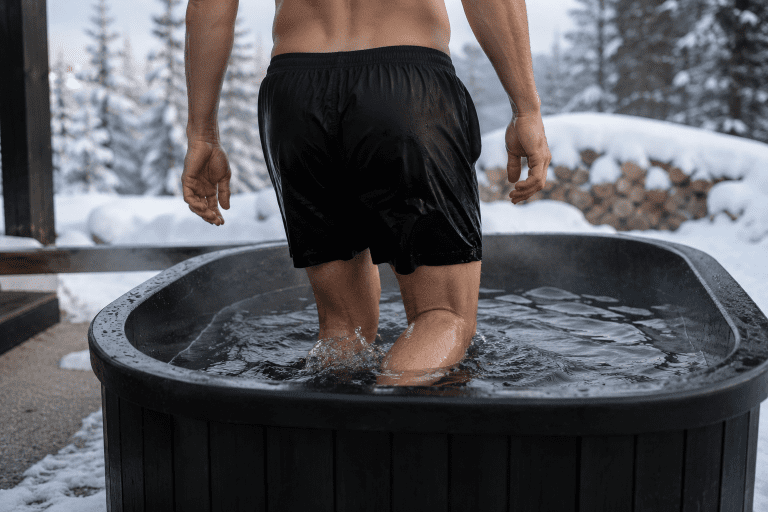
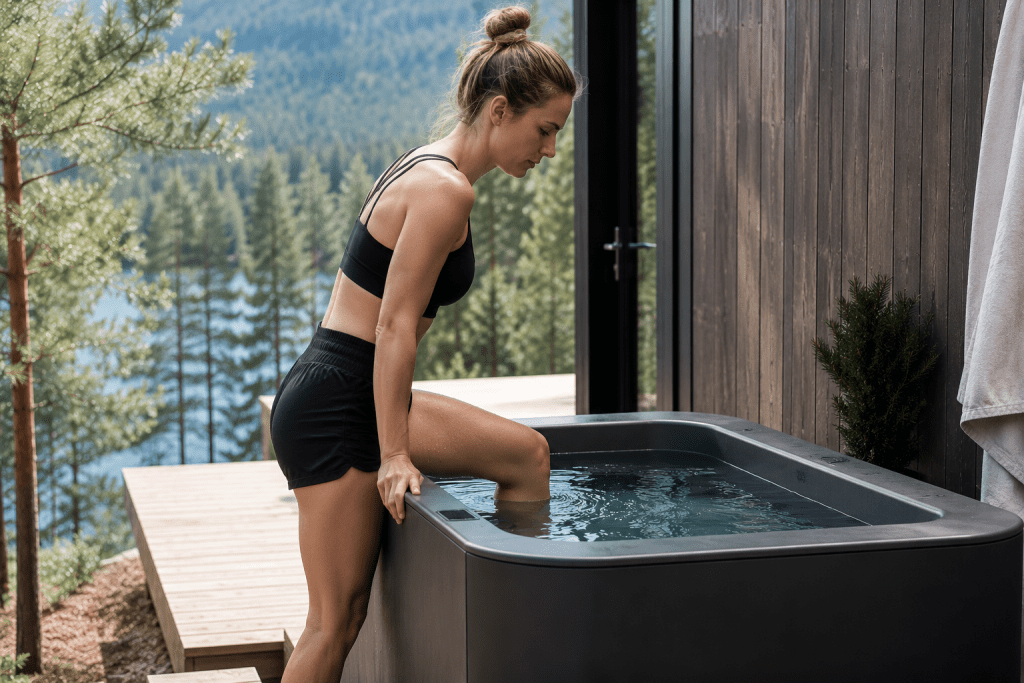
5. Entry and exit. Most professional units have steps or handles. A chest freezer or stock tank doesn’t — exiting on cold-compromised legs with nothing to grip is where slips and falls happen.
6. Water depth. DIY containers sometimes aren’t deep enough for full immersion without awkward positioning. That sounds trivial. When you’re in 50°F water trying not to gasp, fighting with your body position is an added stressor.
7. Environmental exposure. Outdoor DIY setups are more exposed to rain, debris, and animals than enclosed professional units.
Is a DIY ice bath safe for beginners? Yes, with caveats. Cold plunge safety guidelines suggest beginners start with water no colder than 55–60°F and sessions of 2–3 minutes maximum. A clean, stable DIY setup is appropriate for this. Where DIY becomes riskier is for people pushing lower temperatures and longer durations without proper monitoring or exit support.
Comparison Table
| Feature | DIY Ice Bath | Professional System |
|---|---|---|
| Upfront cost | $200–$600 | $3,000–$8,000 |
| Temperature control | Inconsistent | Precise (±1°F) |
| Filtration | None (manual changes) | Built-in |
| Entry/exit safety | Often poor | Usually purpose-designed |
| Ongoing ice cost | $30–$100+/month | None |
| Maintenance effort | High | Low |
| Beginner suitability | Yes (shorter sessions) | Yes |
| Long-term durability | Variable | High |
Helpful Gear
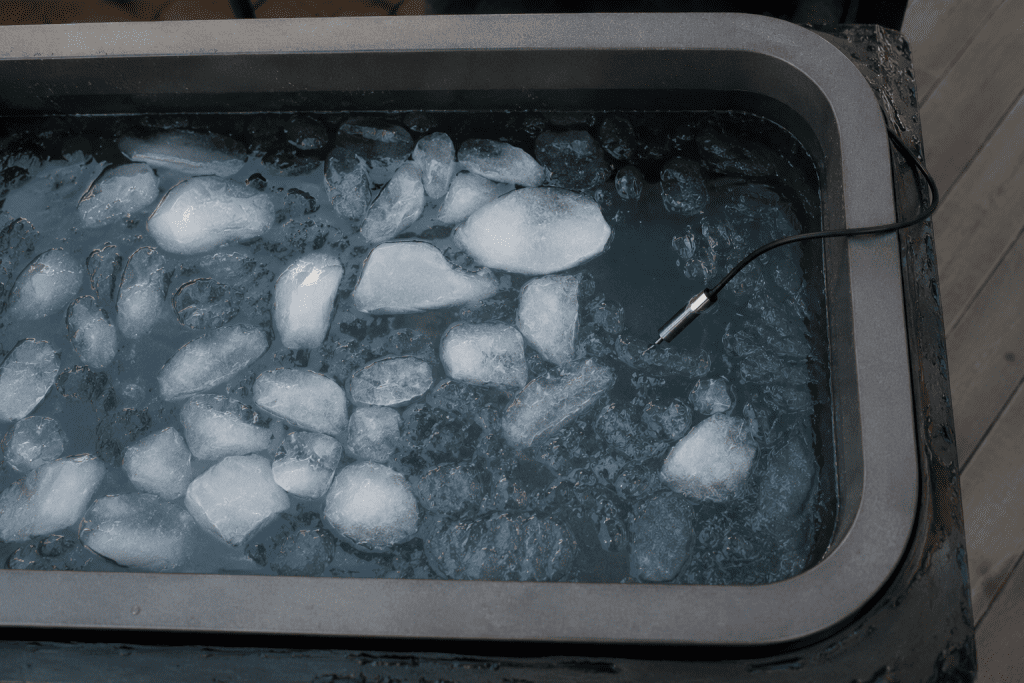
Waterproof thermometer — A submersible digital thermometer that gives you an accurate real-time reading of your water temperature. Essential for DIY setups where ice-to-water ratio determines your actual exposure.
Non-slip bath mat — A suction-cup mat sized for tub or tank bases, providing grip when exiting cold water on compromised legs. Entry and exit is genuinely where most accidents happen.
FAQ
How long is it safe to stay in a cold plunge? Cold plunge safety guidelines suggest 2–5 minutes is the effective and safe window for most adults at 50–59°F. Beyond 10 minutes at those temperatures, the risk of hypothermia begins to rise meaningfully, particularly for leaner individuals with less insulating body fat. The benefits don’t scale linearly with duration — 3 minutes done consistently beats 10 minutes done occasionally.
What makes cold plunge safety is compromised when you’re alone? Cold plunge safety is compromised when you’re alone and using temperatures below 50°F with no one present and no shutoff mechanism in place. Loss of consciousness in cold water is rare but possible, particularly in people with cardiac conditions. The standard guidance is to tell someone when you’re plunging, set a timer, and keep the session short enough that you exit while still in control.
Can you use a cold plunge every day? For most healthy adults, yes. Daily cold immersion at moderate temperatures (55–60°F) for 2–4 minutes poses minimal physiological risk and is how many regular users — myself included — use it. Going colder and longer daily without adequate recovery is where fatigue and peripheral nerve stress can build. The combination of heat and cold contrast — pairing a plunge with a sauna session — produces a natural high that lasts hours, and that’s the sustainable rhythm most people settle into.
Simple rule: start warmer and shorter than you think you need to, then adjust based on how you feel the next day — not how tough you felt in the moment.
Summary Snapshot
- Cold plunge safety across both options is achievable — neither is inherently dangerous with correct use
- DIY setups shift all responsibility to the user: temperature, hygiene, and exit safety
- Professional systems remove most of those variables but cost significantly more
- The practical risks in DIY setups are water quality, inconsistent temperature, and poor exit design
- Both options benefit from a buddy present, a timer, and starting conservatively
- The bigger the gap between where you started and where you’re pushing to, the more a professional system earns its price
Final Verdict
Cold plunge safety is the deciding factor in which setup is right for you — not aesthetics, not price alone. If you’re a beginner testing commitment, a DIY setup at moderate temperatures is perfectly reasonable. The risks are manageable with common sense: clean water, stable container, correct temperature range, and someone who knows you’re in there.
The cold plunge safety record of dedicated professional systems is better across the board for regular, year-round users who are pushing lower temperatures and longer durations. The controlled temperature, filtered water, and purpose-designed entry and exit aren’t luxuries — they’re the features that remove the variables that cause problems. If you’re at the point where this is a daily practice and not an experiment, the professional system argument becomes hard to dismiss.
For the health side of cold plunge safety, our guide to who should avoid ice baths covers the cardiovascular conditions, circulation issues and other situations that may require extra caution or medical guidance.
Related reading: If you’re pairing cold exposure with heat, the steam room benefits posts cover the contrast approach in detail — that combination is genuinely where the biggest returns show up. For the cold exposure side specifically, the cold plunge benefits cluster covers the physiological case in depth.