How Fast Should a Sauna Heat to 180°F? The Honest Truth
Sauna heat to 180°F? Is one of the most Googled questions new sauna owners type in while literally standing next to their heater, watching the thermometer climb — and wondering if something is wrong.
Been there. It’s a totally reasonable thing to wonder about, especially when you’ve just dropped serious money on a sauna and you want it to perform the way you imagined.
Quick heads-up: This post contains affiliate links. If you buy something through one of our links, we may earn a small commission at no extra cost to you. We only recommend gear we’d actually use ourselves.
Quick Snapshot
- A traditional electric sauna heat to 180°F takes roughly 30–45 minutes under normal conditions
- Small 1–2 person saunas may get there in 25–30 minutes; larger 5–6 person cabins can take 45–60 minutes
- Wood-burning saunas tend to take longer — often 45–75 minutes — depending on wood type and stove size
- Infrared saunas operate at lower temps (110–140°F) and aren’t designed to hit 180°F
- Key variables: heater wattage, room size, insulation quality, ambient outdoor temperature, and how well the door seals
- If your sauna is consistently taking over 90 minutes, something likely needs attention
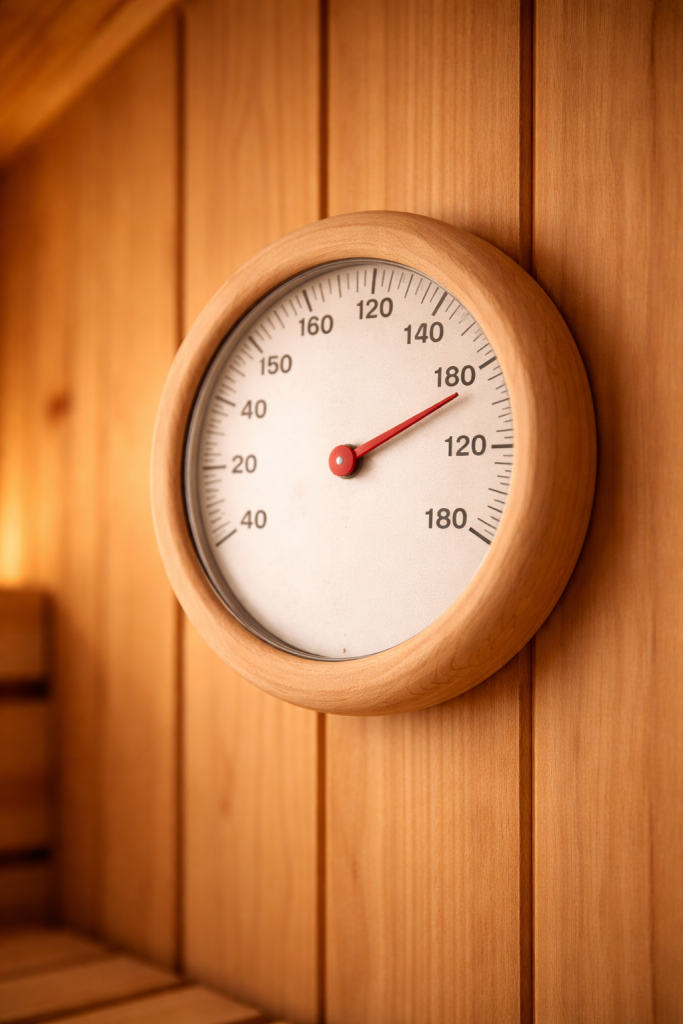
Table of Contents
- What’s the Normal Heat-Up Time to 180°F?
- The Cost Reality of Running a Sauna Hot
- Installation Variables That Affect Heat-Up Speed
- Maintenance and Why It Matters for Heat Performance
- Pros and Cons of Reaching 180°F
- Comparing Heater Types for Reaching 180°F
- Comparison Table
- Helpful Gear to Improve Sauna Performance
- FAQ
- Final Verdict
How Fast Should a Sauna Heat to 180°F?
Let’s cut straight to the benchmark: for a properly sized electric sauna with good insulation, hitting 180°F should take somewhere between 30 and 45 minutes from a cold start.
Smaller saunas might be ready closer to 25 minutes, while larger cabins can push past 45 minutes. Nordica Sauna That’s the honest range. Not 15 minutes. Not two hours. If you’re inside those bookends, your sauna is doing its job.
Now, 180°F is genuinely hot. It’s the upper end of what most people use for traditional Finnish-style sessions, and at that temperature, 10–15 minutes is plenty of time inside Sauna Supply Company — so even if your sauna takes 40 minutes to get there, you’re not “wasting time” waiting. That pre-heat period is actually an opportunity: hydrate, mentally wind down, prep your towels.
How long should it take a sauna heat to 180°F?
A traditional electric sauna in a properly insulated room should reach 180°F in 30–45 minutes. Smaller two-person cabins can hit that mark in as little as 25 minutes. Larger six-person rooms may need 50–60 minutes. If it’s consistently taking longer than 90 minutes, the heater is likely undersized or the insulation is leaking heat.
Here’s how the different sauna types break down:
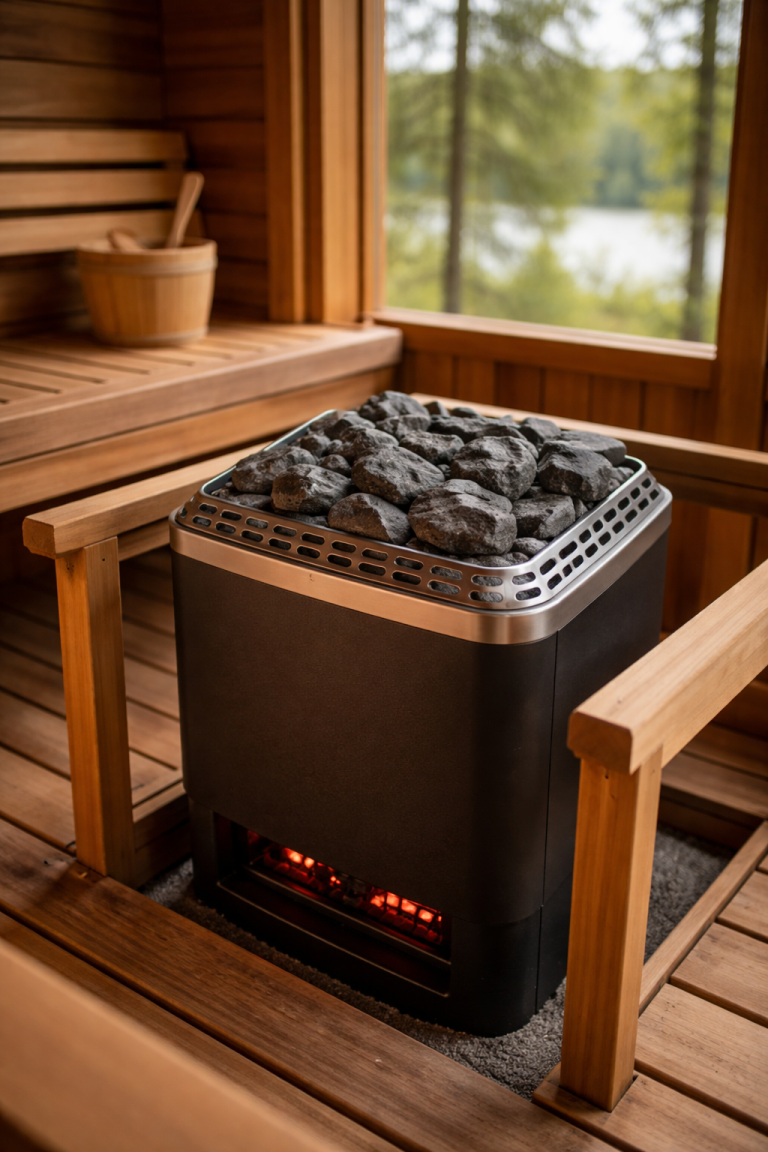
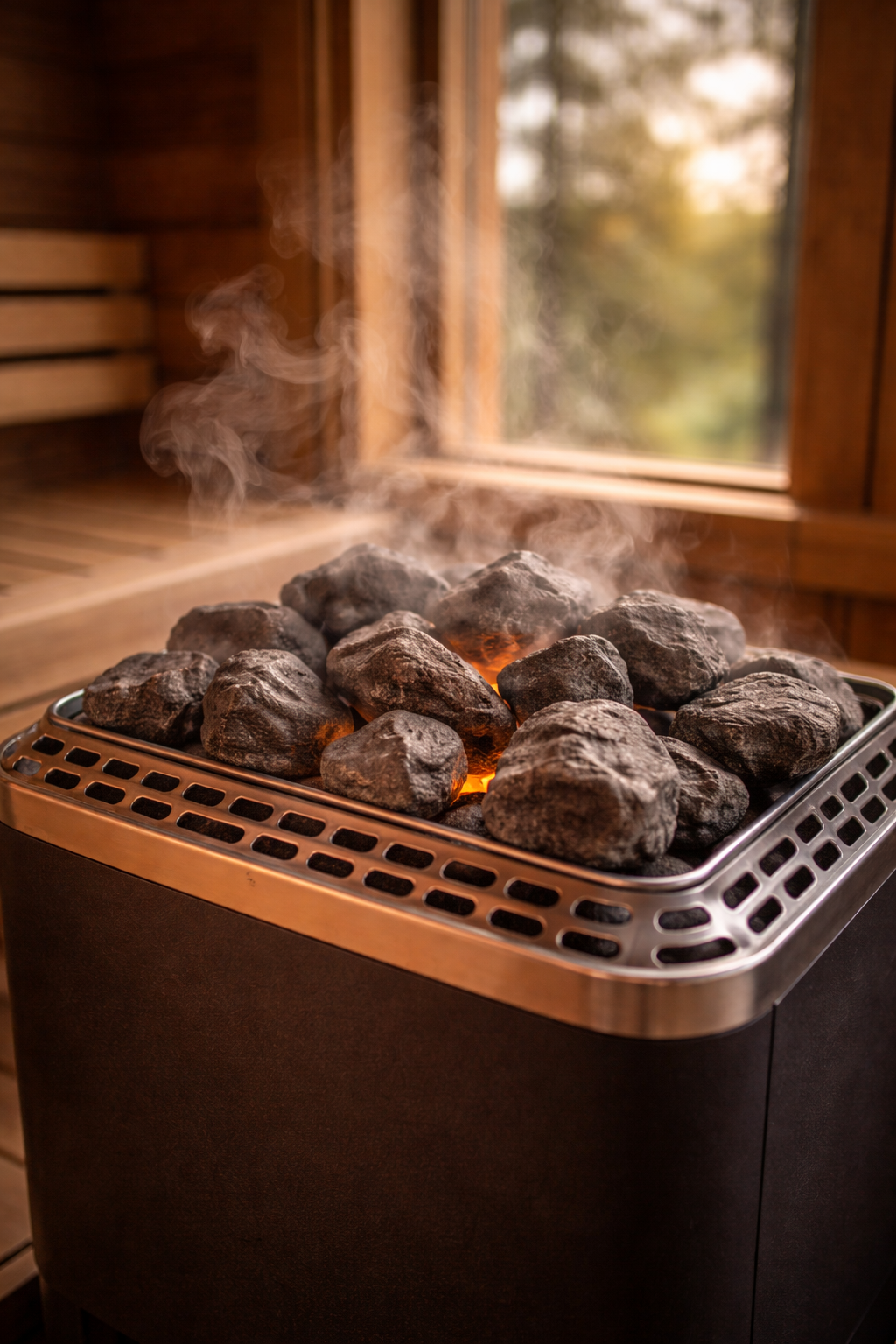
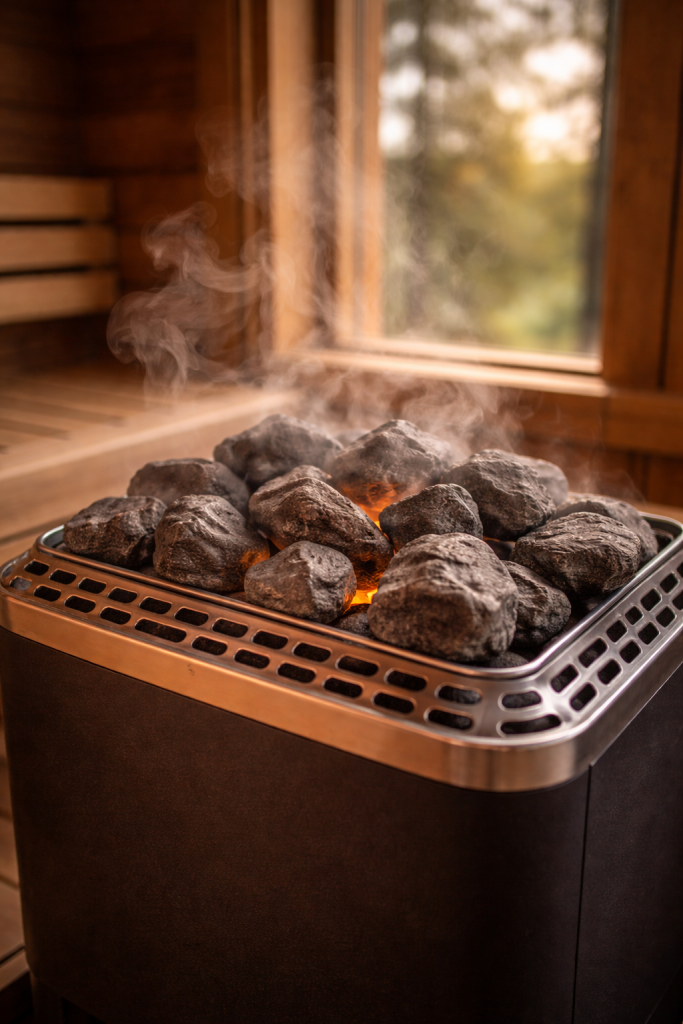
Electric saunas are the most predictable. Electric heaters tend to heat up faster than wood sauna stoves because they begin heating the rocks immediately upon turning on. Sauna Supply Company The rocks are the secret, by the way — the heater itself gets hot fast, but it’s the thermal mass of those rocks that holds and radiates the kind of deep, enveloping heat that defines a proper sauna session. Most electric saunas take 30 minutes to an hour meaning sauna heat to 180°F is achievable for most home set ups , to reach optimal temperatures, though this varies based on room size and insulation quality. The Sauna Heater
Wood-burning saunas are a different creature. They have more romance, more ritual, and more variables. Wood type, stove size, draft quality, and chimney setup all influence how fast you climb to 180°F. A well-tuned wood stove in a tight cabin can hit temperature in 45 minutes. A poorly drafted stove in a big, leaky room might struggle to break 140°F even after 90 minutes.
Infrared saunas shouldn’t even be part of this conversation. Infrared saunas operate at lower temperatures — 110–140°F — and can be ready to use in about 10–20 minutes Nordica Sauna, but they’re not designed to hit 180°F and comparing them on that metric misses the point of how they work.
The Cost Reality of Getting Sauna Heat to 180°F?
Getting to 180°F isn’t free — electric saunas draw real wattage, and that shows up on your utility bill. The bigger and hotter your sauna runs, the more it costs per session.
A typical home electric sauna heater runs between 3kW and 9kW depending on room size. Running a 6kW heater for 45 minutes to preheat, then another 45 minutes of session time, clocks in at roughly 1.5–2 hours of operation. At the national average electricity rate (around $0.16/kWh), that’s somewhere between $1.50 and $2.00 per session — less than a cup of coffee.
Where costs creep up is poor insulation. A sauna that leaks heat forces the heater to run longer and harder to maintain temperature. You pay more in electricity while getting a worse experience. Good insulation is a one-time investment that pays back in both performance and operating cost.
One practical tip: use your sauna’s built-in timer (most modern units have one) to start the preheat 30–40 minutes before you plan to get in. Don’t let it idle at max temp for an hour waiting for you — that wastes energy and dries out the wood over time.
Installation Variables That Affect Heat-Up Speed
If your sauna is slow to reach 180°F, the problem often traces back to installation decisions made before the first session ever happened. Here are the biggest culprits:
Undersized heater. This is the most common mismatch. A general rule of thumb is 1 kW of heater capacity per 45 cubic feet of sauna space. Haven Of Heat If your room is bigger than your heater is rated for, you’ll wait longer and may never hit high temps, which directly impacts sauna heat to 180°F time.
Inadequate insulation. High-quality insulation materials like fiberglass or mineral wool with a vapor barrier between them and the interior paneling The Sauna Heater are standard for a reason. Gaps in insulation, especially around door frames and venting, bleed heat constantly.
Door seal quality. Every time the door cracks open — or doesn’t seal tight when closed — heat escapes. Even small gaps have outsized effects at high temperatures.
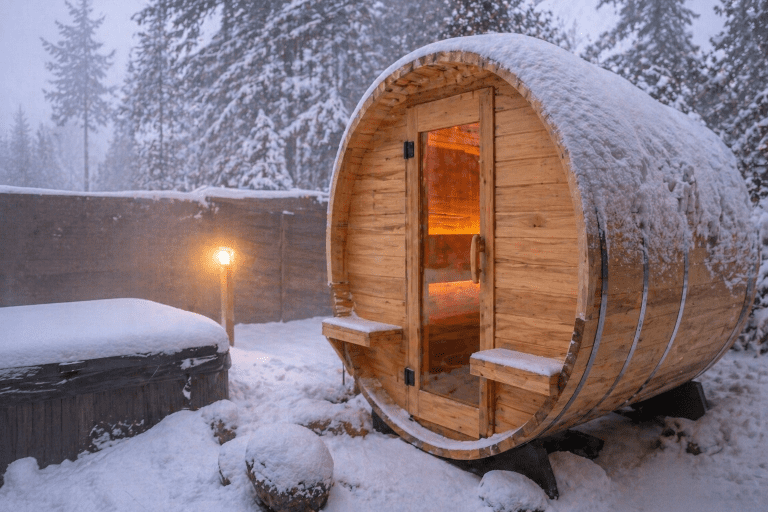
Ambient temperature. An outdoor sauna in a Minnesota January is starting from a much colder baseline than an indoor sauna in a heated garage in Georgia. Cold ambient temperature adds 10-20 minutes to sauna heat to 180°F in extreme cases.
Ventilation placement. Proper ventilation is crucial — both for air quality and for getting efficient heat circulation. Poorly placed vents can create dead zones where temperature stratifies, making the top bench much hotter than the thermometer at head height reads.
Maintenance and Its Impact on Sauna Heat to 180°F
A sauna that heated to 180°F in 35 minutes when it was new should still do it years later — if it’s been maintained. Here’s where things go wrong over time:
Sauna rocks degrading. This is underappreciated. The time it takes for a sauna room to heat is simply waiting for the rocks to warm. Sauna Supply Company Old, cracked, or improperly stacked rocks lose thermal mass and efficiency. Most manufacturers recommend replacing rocks every 1–2 years depending on use. If you notice weaker steam and slower heat retention, look at the rocks first, slowing your sauna heat to 180°F significantly.
Heater element wear. Electric heater elements degrade over time. A partial element failure means less wattage, slower heat-up, and a ceiling on how hot the room can actually get. If your sauna used to hit 180°F and now maxes out at 160°F, a failed element is a likely culprit.
Buildup on rocks. Minerals from water (especially hard water) and residue from essential oils can coat rocks and insulate them — ironically reducing their heat output. Rinse rocks annually and avoid pouring anything other than clean water or purpose-made sauna products over them.
Wood panel drying out. Over-dried interior wood can crack and warp, creating gaps that affect heat retention. Occasional light cleaning and monitoring for splits helps extend the interior’s life.
Pros and Cons of Targeting 180°F
Pros:
- Classic Finnish-style experience — this is the temperature range the tradition was built around
- Deep, penetrating heat that drives significant sweat response quickly
- Rock löyly (steam) works best at high temperatures — the steam effect is more intense and satisfying
- Shorter session times needed for equivalent heat exposure versus lower-temp saunas
- Aligns with how most traditional saunas are designed to operate
Cons:
- Not suitable for beginners — 180°F is legitimately intense and requires acclimatization
- Higher electricity cost per session versus running at 150–160°F
- More strain on heater and rocks over time if always running at max
- Requires solid insulation and proper heater sizing to achieve reliably
- Those with cardiovascular conditions should consult a physician before high-temp sessions
Comparing Heater Types for Reaching Sauna Heat To 180°F
Not all sauna heaters are created equal when it comes to sauna heat to 180°F. Here’s how the main types stack up:
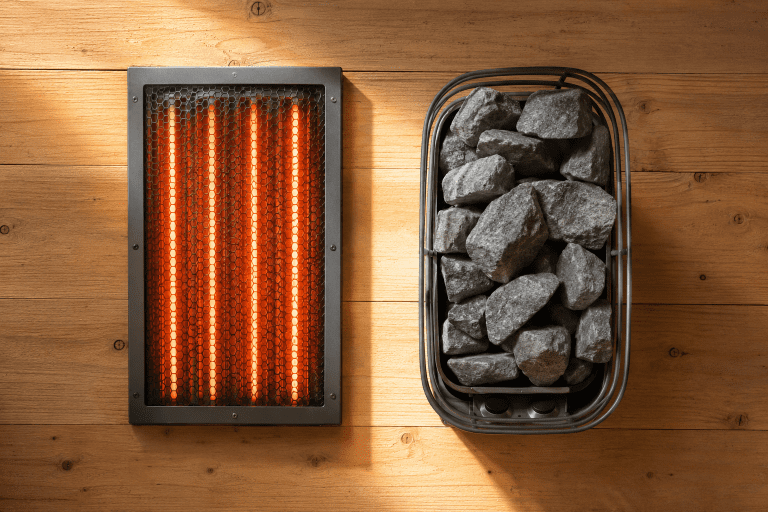
Electric resistance heaters are the workhorse of home saunas. They’re consistent, controllable, and designed specifically to reach traditional sauna temperatures. A properly sized unit will hit 180°F reliably and hold it with minimal fluctuation. They’re also the easiest to install in most US homes.
Wood-burning stoves can absolutely reach 180°F and beyond — but they require more attention, more prep time, and more variables to manage. The payoff is an experience that many sauna purists consider superior: dynamic, living heat with natural moisture from the wood combustion.
Infrared heaters are disqualified from this conversation. They operate on a fundamentally different principle and are not designed to reach 180°F. If you want traditional high-heat sauna sessions, infrared is not the right tool.
Steam generators are designed for steam rooms, not saunas — a different product entirely, operating at lower temperatures with much higher humidity.
Comparison Table
| Heater Type | Typical Heat-Up Time to 180°F | Hits 180°F Reliably? | Notes |
|---|---|---|---|
| Electric (properly sized) | 30–45 min | Yes | Most consistent option for home use |
| Wood-burning stove | 45–75 min | Yes (variable) | Depends on wood, draft, stove size |
| Undersized electric | 60–90+ min | Sometimes | May never reach 180°F in large rooms |
| Infrared | N/A | No | Not designed for this temperature range |
| Steam generator | N/A | No | Different product category entirely |
Helpful Gear to Improve Sauna Performance
A few well-chosen products can meaningfully improve how fast your sauna reaches temperature and how well it holds heat.
Sauna thermometer and hygrometer combo — You can’t manage what you don’t measure. A quality dual thermometer/hygrometer mounted at bench level gives you accurate readings rather than guessing from a ceiling-mounted gauge.
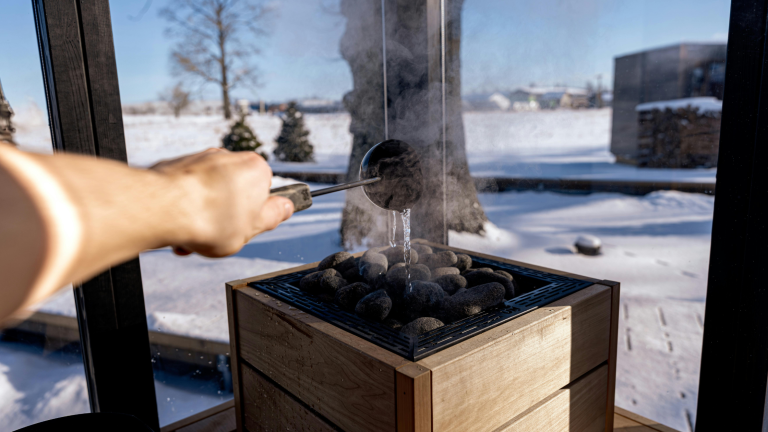
Sauna bucket and ladle set — Once you’re at 180°F, the löyly (steam) ritual is the whole point. A proper wooden bucket and ladle lets you add small, controlled amounts of water to the rocks for bursts of steam.
Door threshold seal kit — If your sauna door doesn’t seal tight, you’re losing heat and adding to your heat-up time. A silicone or rubber threshold seal is a cheap fix with outsized impact.
FAQ
How Long Should Sauna Heat to 180°F Take?
The most common causes are an undersized heater for the room’s cubic footage, inadequate insulation allowing heat to escape, degraded sauna rocks that have lost thermal mass, or a failing heater element. Start by checking that your heater’s kW rating matches the room size (roughly 1 kW per 45 cubic feet), then inspect the door seal and rock condition. A sauna that used to heat faster but has slowed down over time usually points to rocks or elements, your sauna heat to 180°F benchmark is 30–45 minutes.
Does the outside temperature affect how long my sauna takes to heat up?
Yes, meaningfully. An outdoor sauna in cold weather has to overcome a much larger temperature differential before the interior stabilizes. In freezing conditions, add 10–20 minutes to your expected heat-up time. Good exterior insulation helps buffer this effect. Indoor saunas in climate-controlled spaces are much less affected by outdoor ambient temperature.
Is it bad to run my sauna at 180°F all the time?
It’s not harmful to the sauna if it’s properly maintained, but running at maximum temperature consistently does put more wear on heater elements and rocks over time. It’s always better to let your heater warm the rocks for longer periods than to rush into the sauna and start throwing steam right away. Sauna Supply Company Allowing proper preheat time — rather than cranking to max quickly — is gentler on the system overall.
Simple Rule
If your electric sauna isn’t hitting 180°F within 45 minutes, something is off — check the heater size, the insulation, and the rocks before assuming the unit is broken.
Summary Snapshot
- Target sauna heat to 180°F heat up time: 30–45 minutes for most electric home saunas
- Small cabins: 25–30 minutes | Large cabins: 45–60 minutes
- Wood-burning: 45–75 minutes depending on setup
- Infrared saunas don’t reach 180°F — different product, different purpose
- Slow heat-up culprits: undersized heater, poor insulation, degraded rocks, failing elements
- Use a timer to preheat before you’re ready to get in — don’t let it idle at max for extended periods
Final Verdict
A well-built, properly sized electric home sauna should reach 180°F in 30 to 45 minutes. That’s the benchmark. If you’re hitting that window, your sauna is working correctly — sit back and enjoy the session. If you’re consistently waiting 60, 75, or 90 minutes, something needs attention, and the checklist is manageable: heater sizing, insulation quality, rock condition, door seal integrity.
The wait isn’t wasted time anyway. Use it. Hydrate. Wind down. By the time you open that door, your body will be ready for what’s on the other side.
And if you’re still shopping for the right sauna to begin with, we’ve done the legwork on that too.
If your heater is undersized for your room, 6kW vs 8kW sauna heater explains how output directly affects heat-up time across different room sizes.
If you’re pairing sauna sessions with cold exposure, cold plunge therapy benefits breaks down why the contrast protocol works so well after a proper heat session.